222 Misfiled Tilapia Export Records Raise Questions About Fish Origin
Thailand's Department of Fisheries claims over 200 tilapia export records from 2013-2016 contained data entry errors, but environmental groups question whether such widespread misfiling is credible given strict border verification procedure
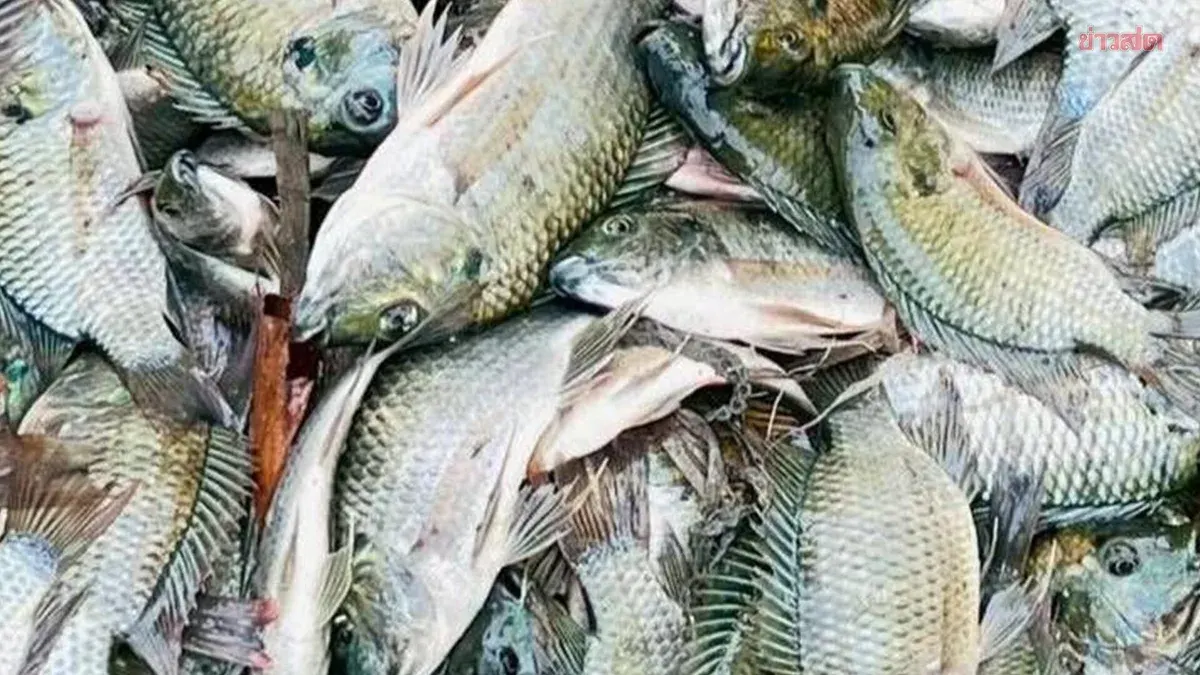
Thailand's ongoing blackchin tilapia outbreak means the question of the fish's origin should not be closed with a single explanation. Civil society environmental networks have raised concerns based on clarifications from eleven private ornamental fish exporters and the Department of Fisheries regarding blackchin tilapia export documents from 2013 to 2016, which were said to contain errors.
The data entry error claim raises a critical question: is it plausible that over 200 export records listing the common name Blackchin tilapia and scientific name Sarotherodon melanotheron were all misfiled, when more than 300,000 fish were exported to over 10 countries? Export procedures require border checkpoint verification that fish match documents, and importing countries verify information in English. The public deserves a clear answer that resolves all doubts. If these documents prove to be genuine export records rather than errors, the questions multiply: where did the fish originate, were they subject to any farming oversight, and were they destroyed according to scientific protocols or released into natural waterways? The source data is not clearly visible in publicly available information, and this matter requires empirical investigation and transparent explanation to society.
The fact that blackchin tilapia have been found in distant, separate water bodies raises further suspicion: do they come from a single source, and how did they spread across different areas? Were they transported by people or released into public waterways when aquarium keepers abandoned them, particularly in closed water bodies like Makka Lake and Lumphini Park ponds as shown on social media, and more recently in Kalasin Province? These observations demand urgent answers: how did the fish reach these locations?
None of this constitutes proof that the eleven companies caused the outbreak or that state agencies covered up or favored anyone. However, the data carries enough weight to warrant systematic investigation. Environmental networks are calling for thorough examination so society can see the facts before drawing conclusions, and so lessons from this crisis are not wasted.