Thailand Launches Six Aviation Projects to Boost Safety and Traffic
Thailand is launching six aviation technology projects to enhance flight safety and reduce delays as annual flight volumes exceed 919,000. The Ministry of Transport upgrades include digital air traffic control systems, weather radar integra
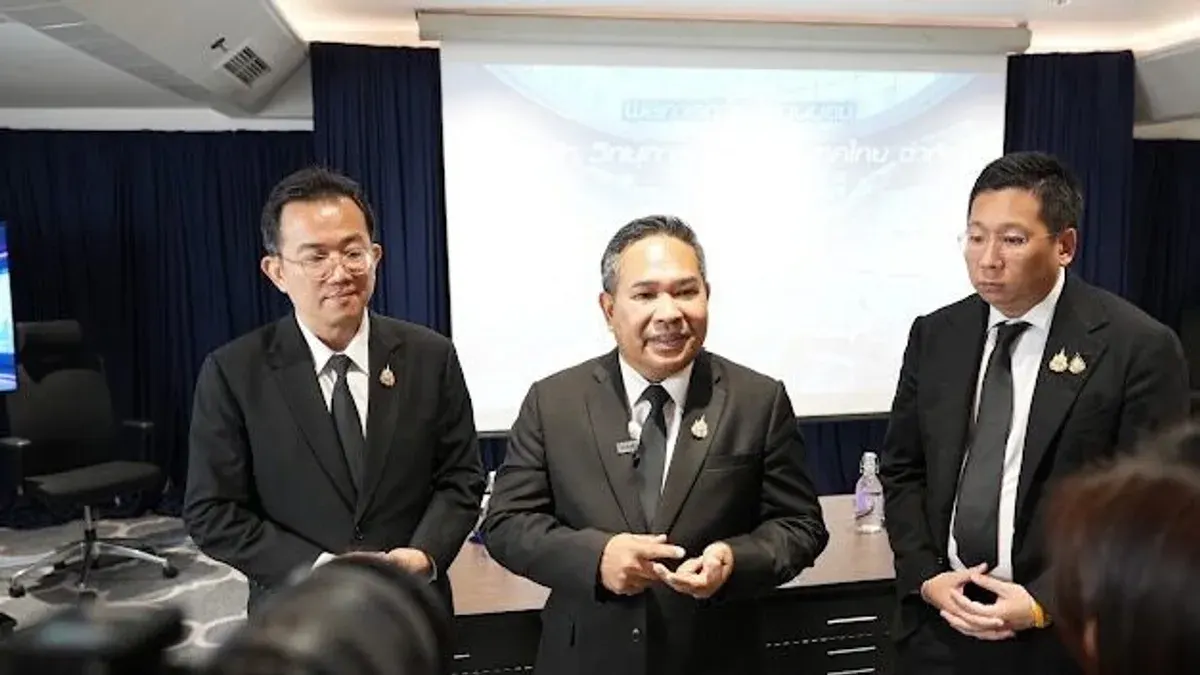
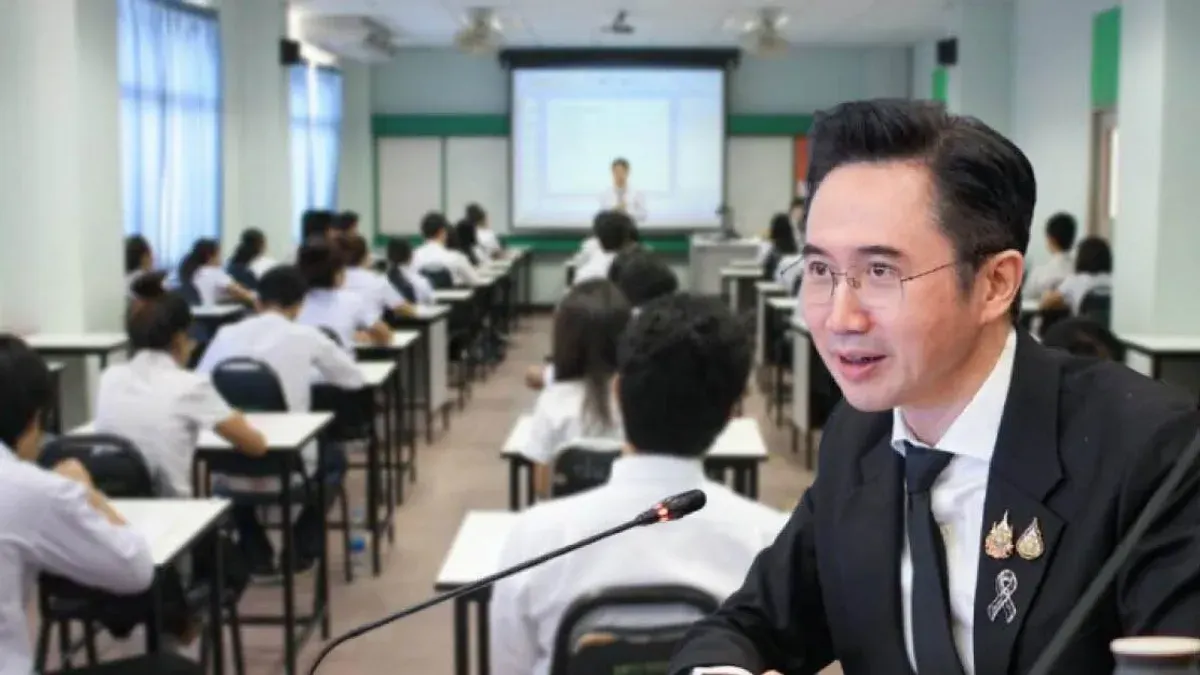
Thailand's Ministry of Transport is upgrading air traffic management through six new technology projects aimed at enhancing safety, reducing delays, and handling over 919,000 annual flights. Deputy Transport Minister Pattrapong Patpraset stated that the ministry is accelerating aviation infrastructure improvements and deploying digital technology to modernize air traffic control, increase safety, reduce flight delays, and promote environmentally sustainable aviation. AEROTHAI has been assigned to drive major initiatives including linking weather radar data with the Meteorological Department and developing a System Wide Information Management (SWIM) platform following ICAO standards, targeting SWIM service provider status by 2030 to support global aviation data integration and establish Thailand as a world-class aviation hub.
AEROTHAI Chairman Pichet Kunathammarak reported that for fiscal year 2569 (October 2568–September 2569), flight volumes are projected at 919,643 flights, or approximately 2,520 per day, representing a 1.64% increase from the previous year. Currently, 777,456 flights have been recorded, comprising 385,991 international flights, 297,234 domestic flights, and 94,231 overflying aircraft. Despite impacts from Middle East tensions, the data reflects recovery in Thailand's aviation industry.
Key markets include China, India, Malaysia, Singapore, and Vietnam, while the busiest airports are Suvarnabhumi, Don Mueang, Phuket, Chiang Mai, and Samui. A significant development is the opening of air route L770 (NAN-SAGAG) on September 3, 2569, a direct Thailand-China route developed through cooperation with Laos. The route reduces flight distances by 27.5–35.2 nautical miles, lowering airline costs, fuel consumption, greenhouse gas emissions, and supporting growing Southeast Asia-China travel.
AEROTHAI Deputy Director Surachai Nouprom stated that in 2569 the organization will advance six major projects: weather radar data integration, digital tower installation at Suvarnabhumi and Don Mueang airports plus remote towers at Narathiwat and Betong, System Monitoring and Control (SMC) development, SWIM system advancement, expanded use of the BOBCAT system for Afghan airspace flight management, and Green ATM initiatives to reduce fuel consumption and greenhouse gas emissions.
The BOBCAT system, developed in-house by AEROTHAI, played a crucial role during Middle East conflicts by increasing system-using flights by 67%, reducing holding time by approximately 73,000 minutes, saving over 8,300 tons of fuel, and cutting carbon dioxide emissions by over 26,000 tons, earning recognition from international airlines.
AEROTHAI emphasized that investment across all six technology projects will elevate Thailand's air navigation service system to enhance safety and modernization, support aviation industry growth, and strengthen the country's position as a future global aviation hub.