Oil Fund Cuts Benzene, Gasohol Prices by 70 Satang
Thailand's Oil Fuel Fund Committee cut retail prices for benzene and gasohol by 70 satang per liter effective November 5, citing falling global oil prices driven by easing geopolitical tensions and rising supply. E85 gasohol and diesel prices remain unchanged, while the fund aims to improve liquidity and urges the public to conserve fuel.
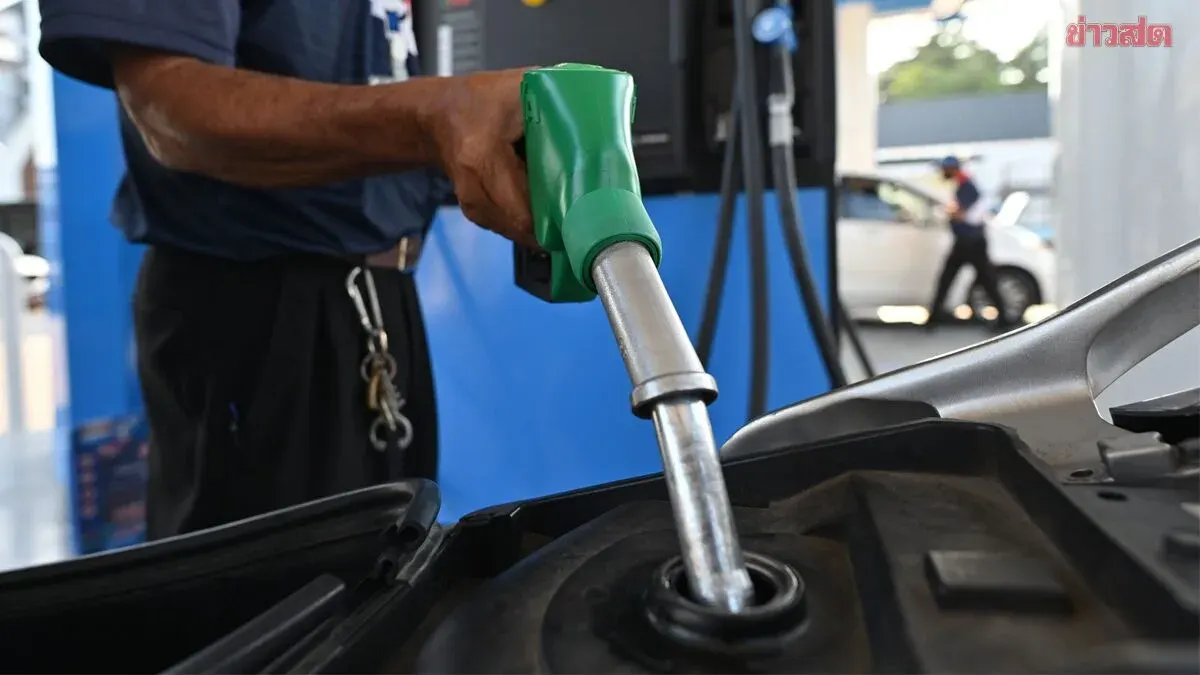
On November 4, 2025, the Oil Fuel Fund Committee (OFFC) resolved to lower retail prices of gasohol by 0.70 baht per liter, except for E85 gasohol, to reflect the downward adjustment in world oil markets. The key driver is easing geopolitical tensions after the U.S. and Iran opened peace talks, alongside progress toward ending the Ukraine conflict, which has reduced concerns over energy shortages. At the same time, market supply is trending upward from four major Arab Gulf states, particularly Saudi Arabia, which is preparing to expand production to maintain market share, amid slowing global economic growth. On November 4, world diesel closed at about $166 per barrel and gasoline at about $112 per barrel, down from $167 and $115 respectively the previous day. The new fund rates take effect November 5.
Benzene increases its fund contribution by 0.13 baht per liter to 10.78 baht per liter, setting the retail price at 50.33 baht per liter. Gasohol 95 raises its contribution by 0.06 baht to 2.99 baht per liter, retailing at 40.84 baht per liter. Gasohol 91 also raises its contribution by 0.06 baht to 2.99 baht per liter, retailing at 40.47 baht per liter. Gasohol E20 cuts its contribution by 0.02 baht to 2.50 baht per liter, retailing at 32.80 baht per liter. Gasohol E85 reduces its fund rate by 0.20 baht to a subsidy of 0.41 baht per liter, leaving its retail price unchanged.
For diesel, the subsidy for regular B7 drops by 0.16 baht per liter to 3.33 baht per liter, keeping retail prices steady. B20 diesel reduces its subsidy by 0.13 baht per liter to 5.36 baht per liter, with retail prices unchanged.
This price reduction not only eases the cost of living for the public but also improves the Oil Fuel Fund's liquidity, which currently spends about 166.28 million baht per day. Although global oil prices are trending downward, the energy situation remains highly volatile. The fund continues to ask for cooperation from all sectors to use fuel wisely and only as needed to ensure sustainable energy security.