Agriculture Official Rejects 16 Million Baht EV Tractor Price Claim
An Agriculture Ministry secretary denied reports that electric tractors would cost 16 million baht each, saying the figure is unrealistic and likely a miscommunication. He emphasized that all budget requests face strict multi‑agency review and that the EV tractor project aims to cut farmers’ fuel costs, with a realistic price of 1–2 million baht per unit. The initiative, driven by the Rice Department, seeks to help farmers cope with rising energy, fuel and fertilizer prices due to global conflicts.
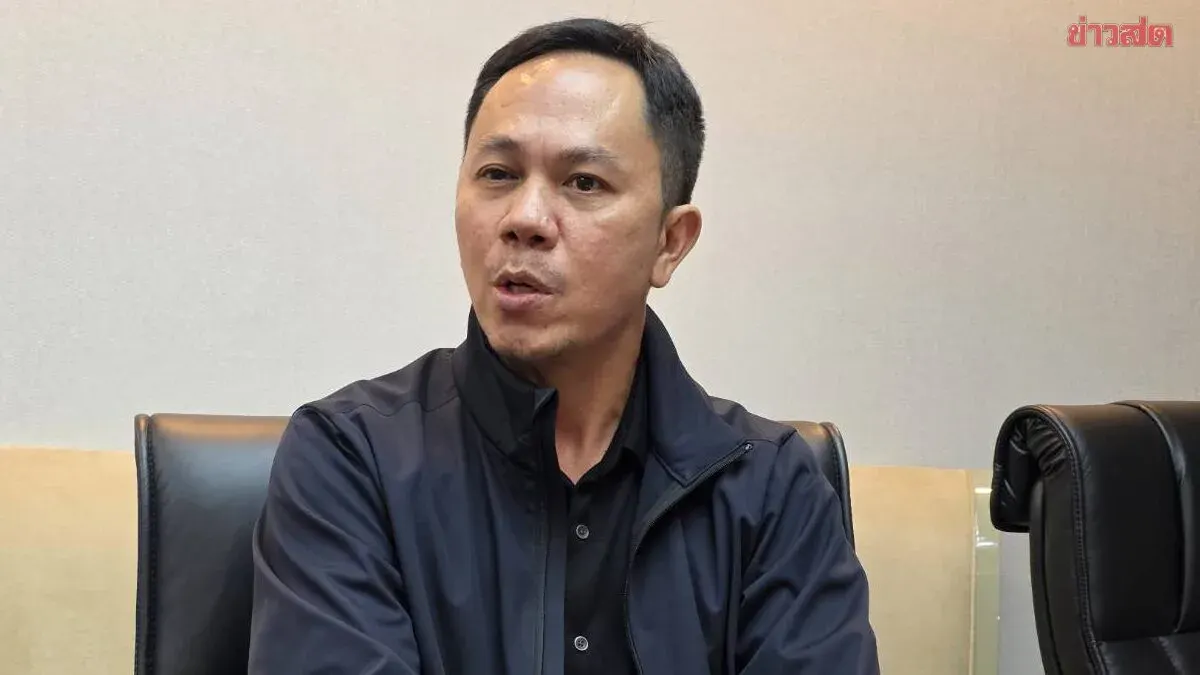
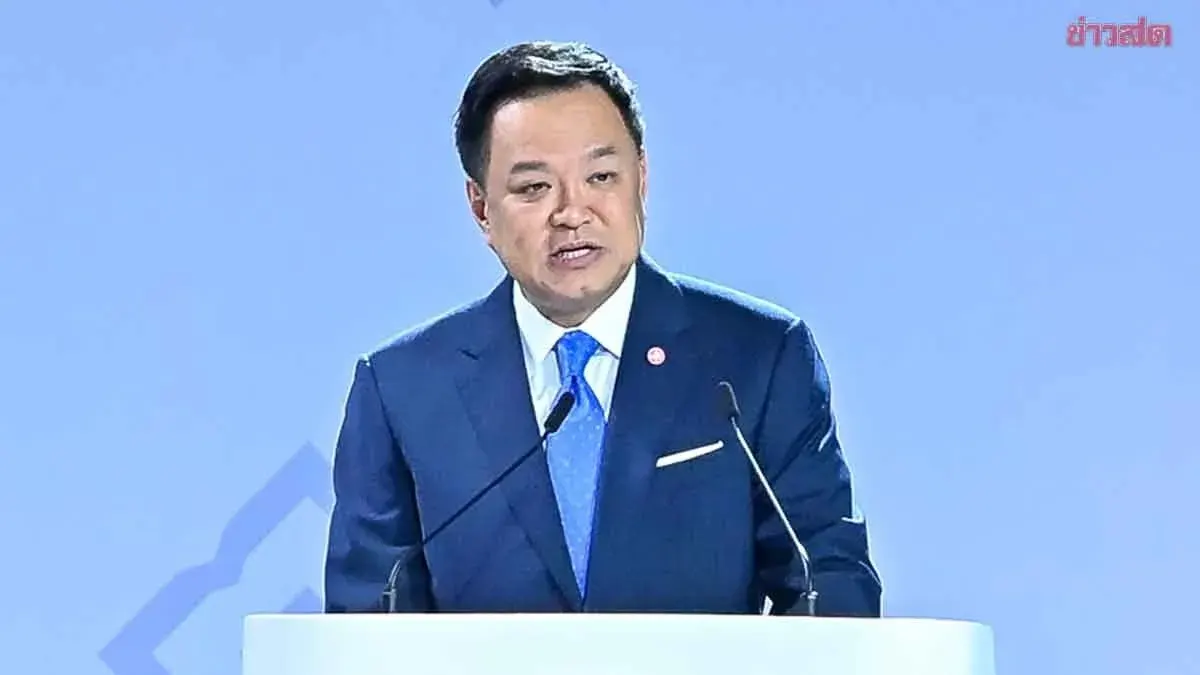
On October 16, 2569 (2026 CE), Sarawut Nueangjong, Secretary to the Minister of Agriculture and Cooperatives, addressed the issue of purchasing rice harvesters and EV tractors, saying the figure of 16 million baht per unit is not true because it is excessively high and may result from miscommunication in the moment.
He affirmed that any budget request by any agency, not just the Agriculture Ministry or Rice Department, must pass through rigorous scrutiny by many bodies. For the EV tractor project under discussion, numerous agencies will review it step by step, so prices must be set appropriately for the market. He believes the price will not exceed 1–2 million baht per unit based on his knowledge.
He added that the project originates purely from good intentions of the Rice Department, recognizing the hardship of the public, especially farmers, due to the global energy crisis caused by war, which has driven up energy, fuel and fertilizer prices, leaving people barely able to cope. Therefore, changes are needed, such as adopting electric tractors, because farmers now rely entirely on machinery for land preparation and water pumping, which uses electricity or diesel, adding ongoing costs. Hence, this electric tractor will help reduce fuel costs for farmers, which continue to rise.
"If it really cost 16 million baht per unit, I myself would not accept it, but that is not the case. At present, we must acknowledge this point, and the communication was unclear in a limited time. I think we should explain step by step, and I welcome the concerns and suggestions expressed on social media and in other outlets."
Sarawut said that if the project proceeds, it will greatly benefit rice farmers, enabling them to manage the entire rice production cycle. They could bring in moisture‑reducing equipment to dry rice, giving farmers stronger negotiating power to extend the time before sending rice to mills or distributing it to markets. Simply by drying the rice themselves, farmers could sell it to mills without incurring moisture deductions, gaining over 2,000 baht per tonne—better than the compensation currently sought for farmers.
"This exemplifies the direction the Agriculture Ministry under this administration is taking, and we expect even more advances ahead, such as reducing field burning. The tractor can be fitted with a straw‑shredding unit that turns residue into fertilizer, eliminating the need for biological decomposition or microbial agents."
He also noted that Thailand must transition its energy use because oil will eventually become scarce; if conflicts persist, oil will lie deeper and become more expensive, making it uneconomical. If oil reaches 100 baht per litre, people will have no alternative, while Thailand has long been a rice and oil hub. He concluded that if we do not start today, we will have to start someday, and any government with goodwill toward the public, especially farmers, must pursue such measures.