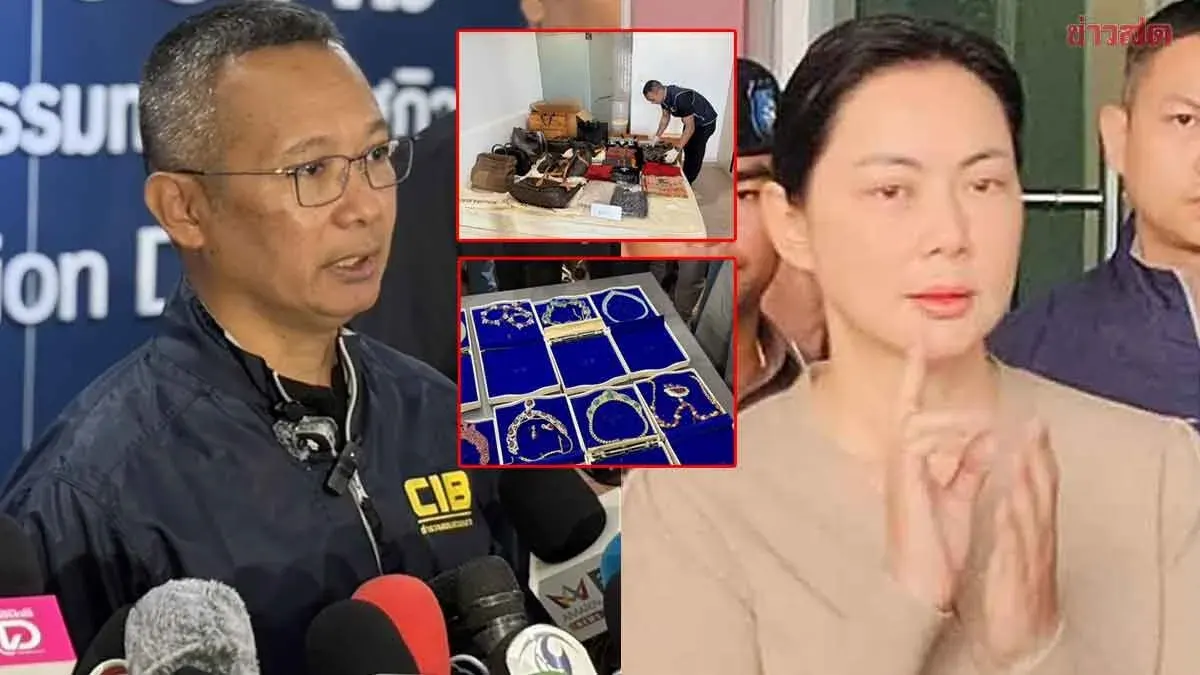
Anutin Rejects Committee Summons, Offers Government House Meeting
Deputy PM Anutin Charnvirakul rejected a House committee summons over local election corruption but offered to meet at Government House instead.
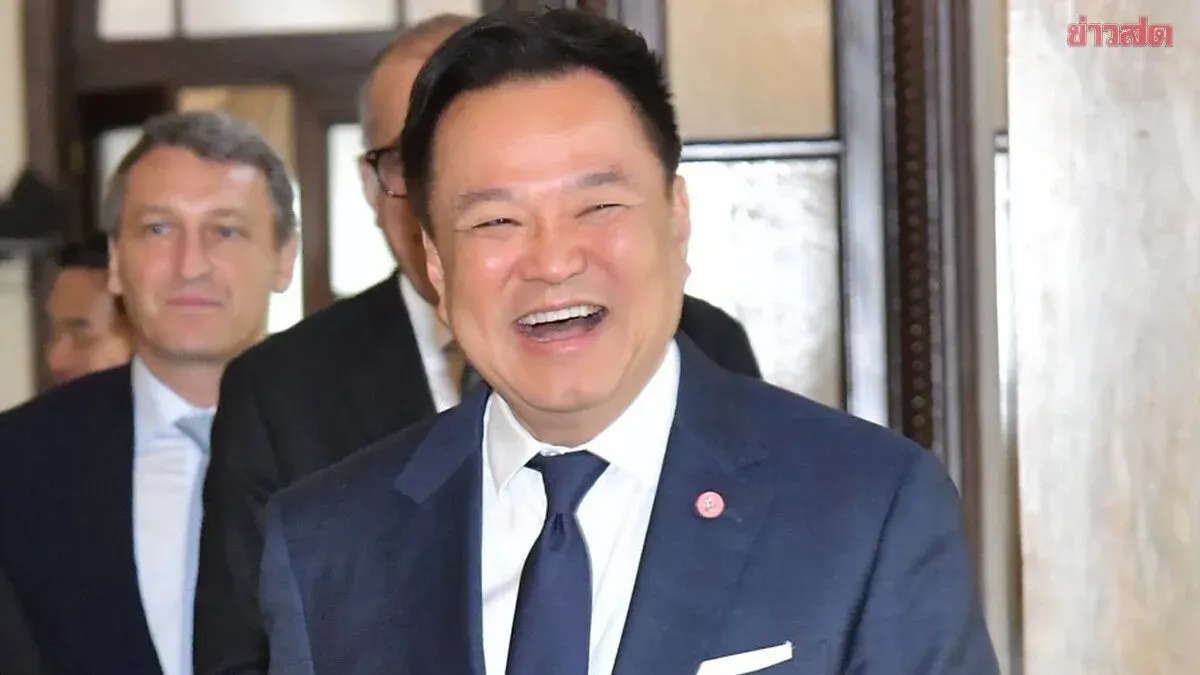
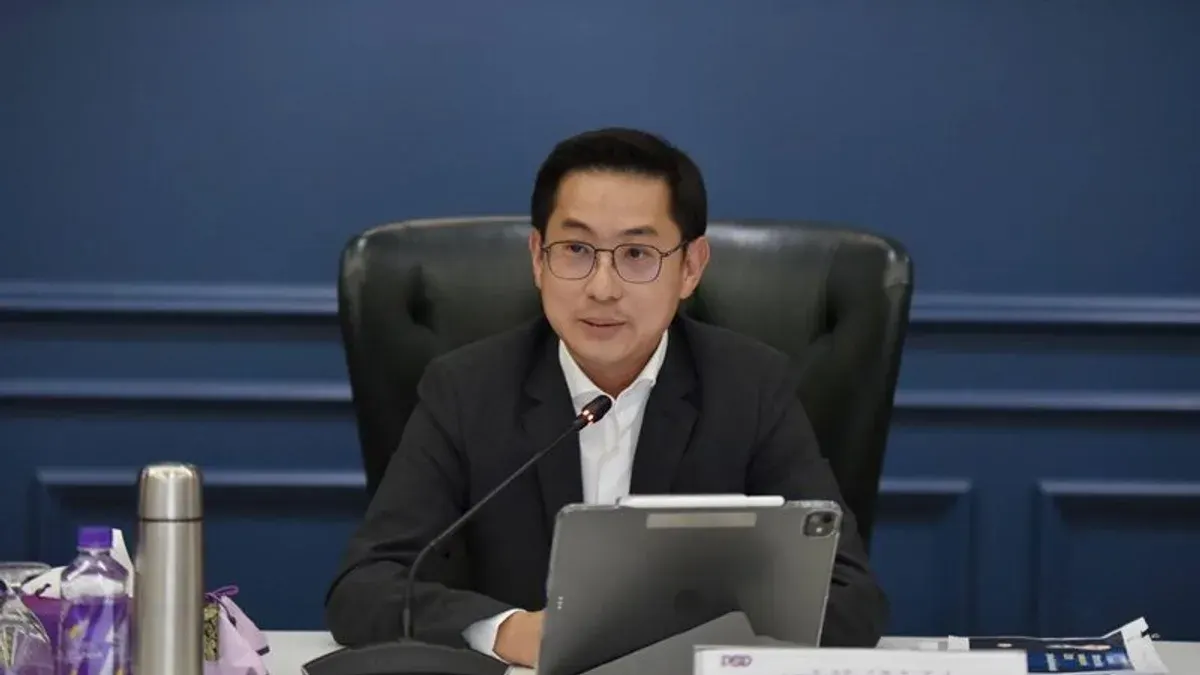
Deputy Prime Minister and Interior Minister Anutin Charnvirakul gave an interview at Parliament on November 11 at 1:45 pm regarding the House Committee on Legal Affairs, Justice, and Human Rights, chaired by People's Party list MP Rangsiman Rome. The committee voted to summon Anutin to explain why he did not order the Department of Provincial Administration director-general to appear and clarify whether action can be taken on local election corruption.
Anutin said everyone interprets the law differently, but personally he has no problem and is ready to cooperate. He noted that while the law may literally allow summoning the prime minister and House speaker, the PM heads the executive branch and the speaker heads the legislative branch. Having the legislative head sit at the committee table and question the executive head is improper when other methods exist, though he reiterated his willingness to cooperate.
Anutin added that speaking with the committee chair is the duty of the prime minister or House speaker, and he has never refused to speak with any MP. If the committee wants information, they should request a meeting at Government House, where he would happily receive them to see what questions they have and whether they have investigative authority. If they do, he is ready to explain and clear doubts. However, proper Thai cultural protocol must be followed; no one refuses cooperation when approached correctly, and power need not be brandished.
Asked whether he would whip Bhumjaithai MPs to attend every committee meeting after losing a committee vote, Anutin said there was no need to whip them because attending is already their duty. He denied viewing this as a win-lose game, stating the government works to administer the country. Any committee has the right to question, just as media can ask questions and he must answer — except on matters of national security and vulnerability, which he cannot address.