Arsenic Levels Drop in Northern Rivers, Cross-Border Talks Advance
Thailand's environment minister reports arsenic levels in northern border rivers have fallen significantly, with the Sai River showing a drop from 0.284 to 0.017 mg/L. The government is advancing cross-border talks with Myanmar and China on water quality monitoring while declaring a 150-kilometer pollution control zone along the Kok River and setting up local laboratories for faster testing.

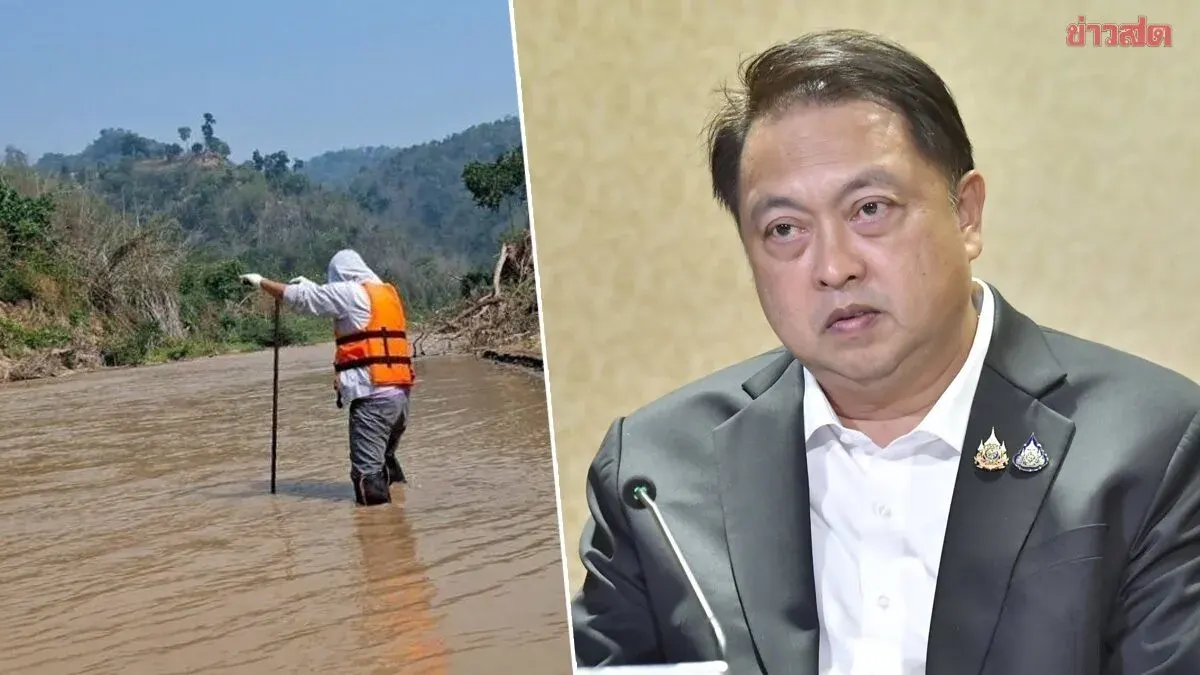
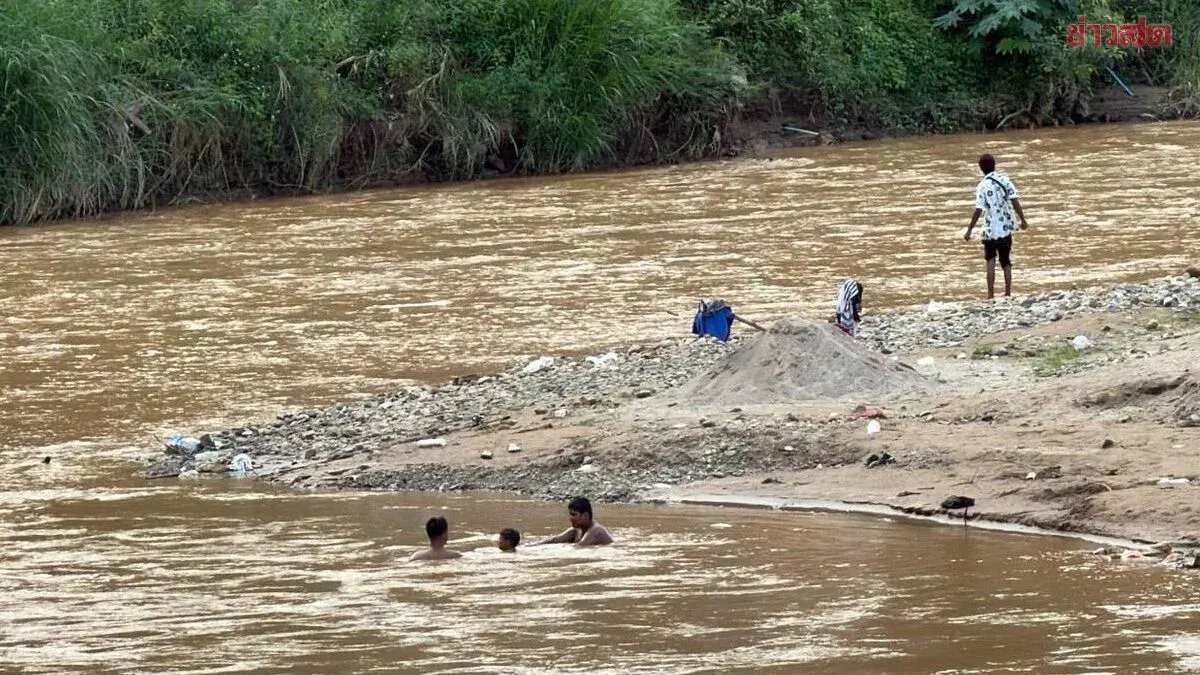
Natural Resources and Environment Minister Suchart Chomklin revealed today (November 21, 2026) after attending a National Disaster Prevention and Mitigation Command meeting chaired by Prime Minister and Interior Minister Anutin Charnvirakul that water quality monitoring in the Kok, Sai, Ruak, and Mekong rivers shows a downward trend in arsenic levels. Notably, the latest field test kit results from November 2026 at Ban Hua Fai on the Sai River found arsenic at approximately 0.017 milligrams per liter, down from a previous reading of 0.284 milligrams per liter.
However, the ministry continues to prioritize close monitoring, particularly of arsenic in sediment, which remains a key factor for long-term ecosystem and water source risk assessment. The Pollution Control Department has continuously monitored water and sediment quality at 22 stations since March 2025 to support ongoing remediation measures.
Minister Suchart stated that, per the Prime Minister's orders, the ministry is pursuing two main tracks: international cooperation to address the problem at its source and domestic agency integration to control, monitor, and reduce public impact. Regarding Myanmar cooperation, a Thailand-Myanmar Joint Working Group on Water Quality Management has been established, co-chaired by the ministry's Permanent Secretary, with a meeting scheduled for November 25-26 in Bangkok. Both sides will discuss installing four water quality monitoring stations on each side of the border, totaling eight, to enable consistent data comparison.
Simultaneously, the government has engaged Chinese leaders on cross-border water pollution potentially linked to mining activities in Myanmar. China expressed readiness for academic and technical cooperation on inspection and remediation, and will advance the issue through the Lancang-Mekong Cooperation framework for formal regional collaboration.
Domestically, the ministry is accelerating the declaration of a pollution control zone along more than 150 kilometers of the Kok River on the Thai side, aiming to submit it to the Pollution Control Committee on November 27, then to the National Environment Board for approval, followed by Royal Gazette publication under Article 59. The governors of Chiang Mai and Chiang Rai have been tasked with overseeing integrated land-use management plans to align all agencies.
Additionally, the ministry is boosting water analysis capacity by ordering the Pollution Control Department to establish laboratories in Chiang Mai and Chiang Rai and develop approximately 20 monitoring stations covering the Kok River and tributaries. This will enable faster, continuous tracking and reduce the roughly 20-day wait for results that previously required sending samples to Bangkok.