Malaysian Footballer Dies After Lightning Strike During Match
A 28-year-old Malaysian footballer died after being struck by lightning during a friendly match in Selangor state on July 5; the referee was also injured in the incident.
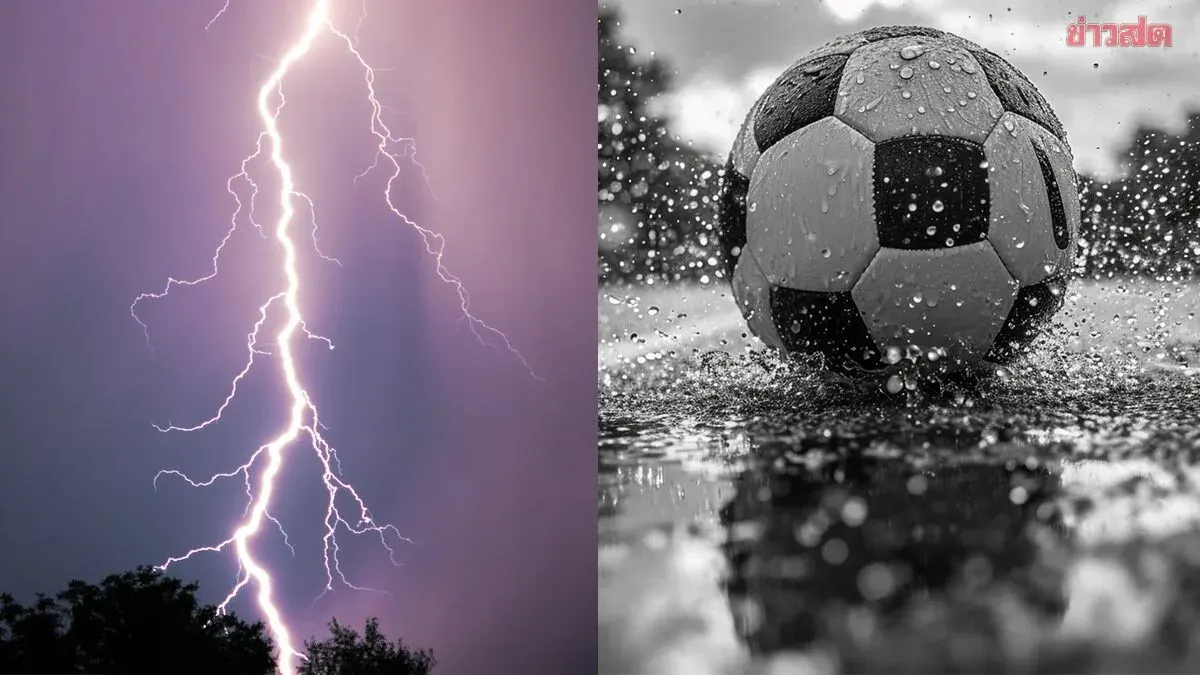
A 28-year-old Malaysian footballer died from an apparent lightning strike while playing in a friendly match in Malacca state on July 5, sending shockwaves through the nation's soccer community. The referee in the same match was injured and hospitalized for treatment.
The victim, identified as Thanech, 28, collapsed during the match at Lendoo Racam Muda Complex around 5:40 p.m. local time. Teammates rushed him to Alor Gajah Hospital by private car, but doctors could not save him. According to reports, the friendly match between Rembau Indian Veteran FC and Tanjung Minyak FC had been underway for only about 10 minutes when light rain began to fall. Then a loud clap of thunder echoed across the stadium, and teammates discovered Thanech, the referee, and one other person had collapsed simultaneously.
Ahmad Abu Bakar, the police chief for Alor Gajah district, revealed the referee was transported by ambulance, while the third affected person was safe and did not require hospitalization. Officers believe all incidents occurred shortly after the thunder clap.
An initial autopsy showed no signs of foul play or criminal activity, but burn marks consistent with lightning strike injuries were found on Thanech's body. The Malacca hospital is conducting a full autopsy to officially confirm the cause of death. Police have classified the case as a sudden death investigation.
Following the incident, the Football Association of Malaysia (FAM) announced it would request a full report from the Malacca Football Association and match organizers to gather all facts. FAM Secretary-General Dato Nur Azman Rahman expressed deep sorrow over the tragedy and hopes all parties will cooperate fully with investigations.
The FAM secretary-general emphasized that deciding to stop or postpone matches due to unsafe weather conditions is not a failure of match organizers but the correct decision to protect athletes, referees, and all stadium personnel. FAM has called on state football associations, clubs, academies, and match organizers nationwide to closely monitor weather conditions before, during, and after matches. The association also recommends installing lightning detection systems that can identify lightning activity in real-time and provide advance warnings, allowing officials to halt games or evacuate people promptly. Such systems are already used in professional leagues and football competitions in many countries as important safety and risk management measures.