Thailand's climate agency launched a green fair promoting community eco-friendly products, focusing on helping grassroots networks create sustainable income through innovation and storytelling while reducing emissions.
The Department of Climate Change and Environment is advancing community-based eco-friendly products by integrating green innovation and storytelling to transform local resources into a low-carbon community economy.
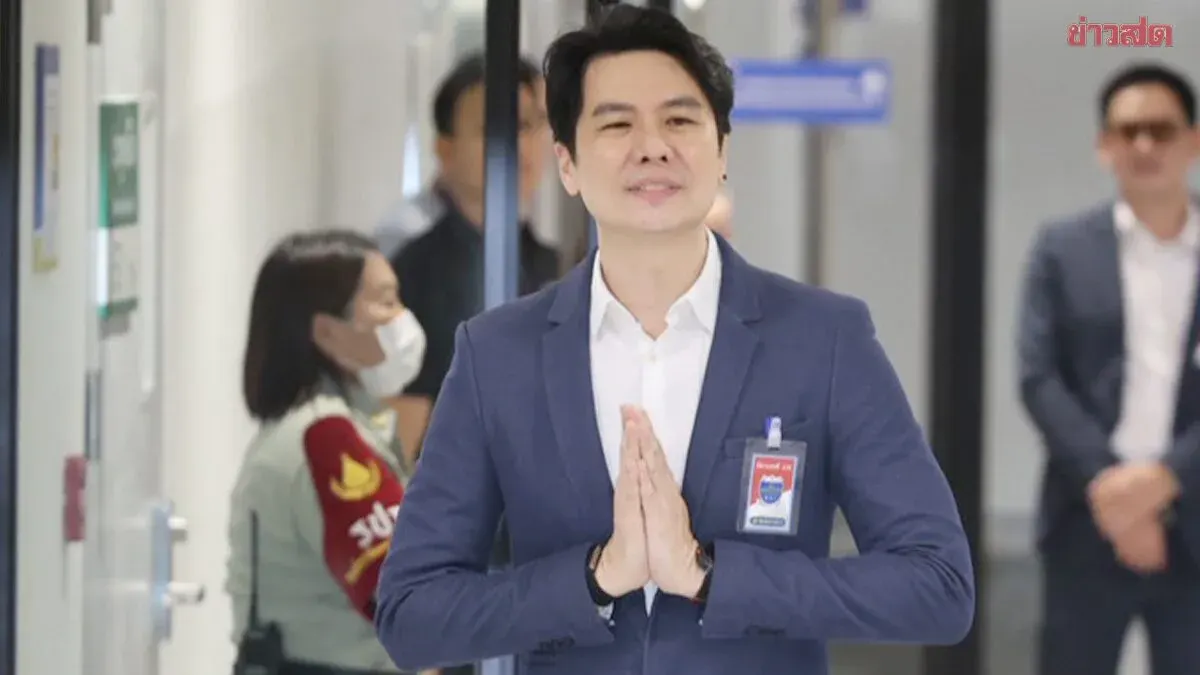
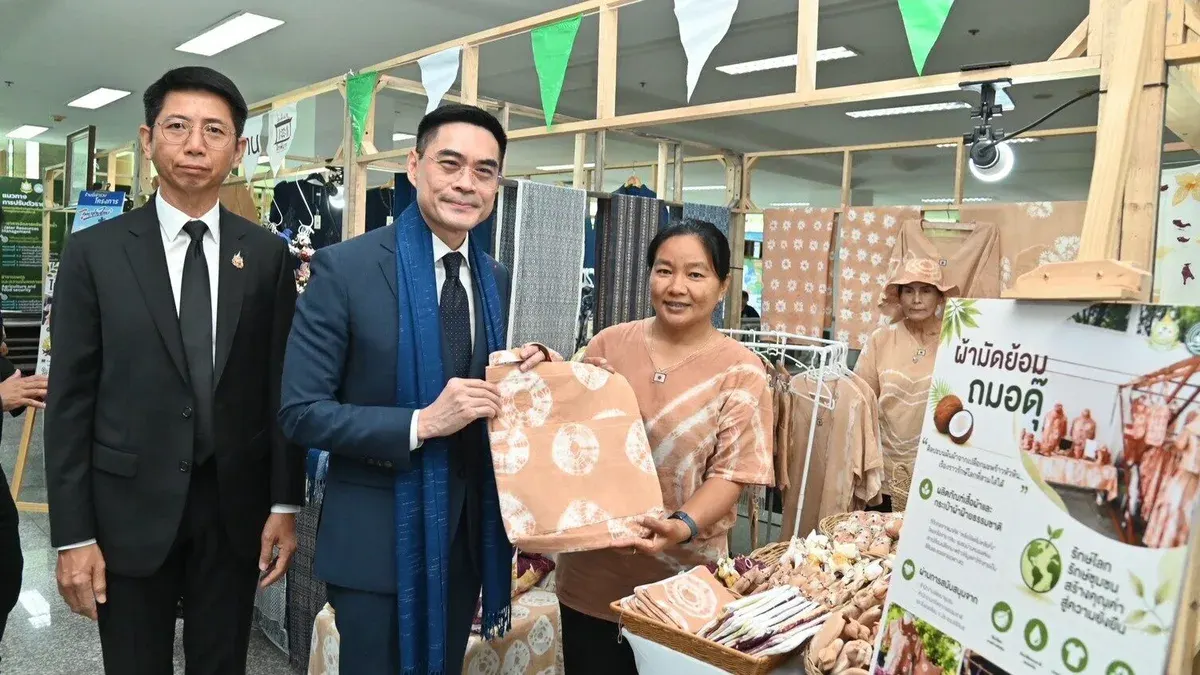
On July 6, Dr. Pirun Saiyasit Paanich, director of the Department of Climate Change and Environment, presided over the opening of the "Green Fair: Community Environmental Products" event, aimed at strengthening the capacity of grassroots networks to add value to community products while adapting to and reducing the impact of climate change.
Dr. Pirun stated that amid the global climate crisis, the department prioritizes building competencies across all sectors, particularly at the grassroots level. Current efforts must go beyond promoting adaptation to new global conditions; they must focus on sustainably leveraging natural resource bases through green innovation and product storytelling to increase economic value for communities.
"We must elevate grassroots network operations from their traditional focus on conservation and protection toward sustainable resource utilization," Dr. Pirun said. "We need to shift strategy with all sectors from a quantity-focused to a quality and income-focused approach (value over volume), such as linking products and services to sustainable tourism. This not only reduces greenhouse gas emissions but also creates stable income for communities through collaborative mechanisms designed with all stakeholders."
Dr. Pirun also outlined four key dimensions for developing community products toward a low-carbon society aligned with the BCG economic model: elevating standards to international levels through science and technology to ensure product safety and quality; modern design and packaging that appeals to contemporary consumers; using innovation to create added value by blending local wisdom with modern technology like AI design and storytelling; and distributing income and expanding sales channels through online platforms and community tourism routes.
The event brought together over 150 participants, including volunteer environmental networks from 50 districts in Bangkok, low-carbon learning centers, and low-carbon community networks, along with relevant government and private agencies.
The event featured products from volunteer networks across 77 provinces compiled into a catalog, with 15 exhibition booths showcasing outstanding work. Panel discussions covered promoting environmentally-friendly products and services toward a low-carbon society and developing sustainable products to strengthen low-carbon BCG communities, featuring experts from various sectors. The program also included workshops on content creation, packaging design, and digital marketing.