Bangkok Canal Communities Open Gardens to Young Visitors
Bangkok's Bangmod canal communities are opening their gardens and waterways to young visitors, offering hands-on experiences like fruit harvesting, traditional fishing, and boat tours that double as learning opportunities about sustainable
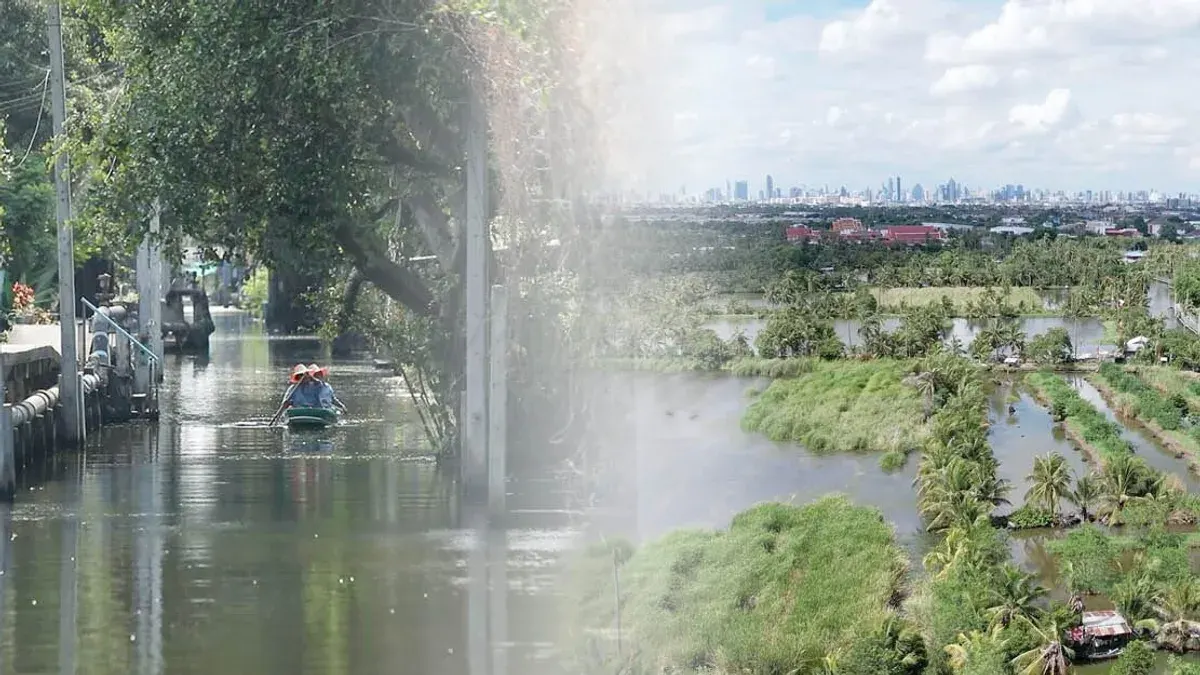
Mention "Bangmod" and most people think of Rama 2 Road, universities, or the famous Bangmod oranges. But venture off the main street and follow the canals, and you'll discover hidden corners of this Bangkok neighbourhood tucked behind houses, gardens, and along the water.
Here, the canals are more than just waterways—they connect homes, gardens, temples, and people into one living system. For young visitors, getting to know Bangmod doesn't start with listening to stories passively, but by going out, playing, trying, and tasting for real.
"Boating is so much fun, and the breeze feels nice," the children's excited voices ring out as boats glide slowly along the Bangmod canals. On both sides are houses, coconut palms, gardens, and a waterside life that continues at its own pace.
Today's canal journeys offer options: electric boats that let children experience the community while reducing environmental impact, or paddling routes where families can observe nature and stop to learn about different spots along the way. From the water, visitors climb ashore and enter the gardens. Bangmod's agricultural land isn't just producing food anymore—it's becoming a learning space and tourist destination where garden owners welcome city people to experience farming life up close.
Children discover what happens to the food on their tables before it arrives. They walk through orchards, crawl under coconut palms, harvest fruit, drink fresh coconut water straight from the tree, or do farmer activities like fishing with bamboo rods and hand nets—traditional waterside practices passed down through generations.
"This tree has pink coconuts too," one child says.
"The coconut flesh is delicious, just like jelly," says another.
Sometimes a child's simple questions make garden tours far more enjoyable than reading plant names from signs. At places like SAFETist Farm, kids also learn about chemical-free farming and sustainable agriculture, connecting it to reducing chemicals and protecting the local ecosystem.
Activities invite children to switch roles: tiny farmer, fisher, chef, inventor, or nature explorer. Each activity lets them try things, make observations, and gradually get to know agricultural life and the nature around them while having fun. This is ecotourism and agricultural tourism the Bangmod way—where "visiting" and "learning" aren't separated. Nature becomes a playground, gardens become classrooms, and community members become the best storytellers of their own place.
"It was really fun peeling fruit and playing with seeds, throwing them like little bombs," one child says.
"Today I got to make snacks myself too," says another.
Children's joy reveals another side of community tourism: when visitors come, they don't just take home photos and food. Money circulates to garden owners, cooks, boat drivers, and the many hands that care for the area. At the same time, having people come to learn about these ways of life gives farmers, canals, traditional knowledge, and nature good reasons to keep being preserved and cared for. The low-carbon community tourism route idea in this area links tourism with job creation, income distribution, and protection of biodiversity.
Maybe ecotourism doesn't have to start with trips to distant forests or mountains. In Bangkok, waterside communities still exist where a child can board a boat in the morning, visit a garden mid-day, and try farming by afternoon.