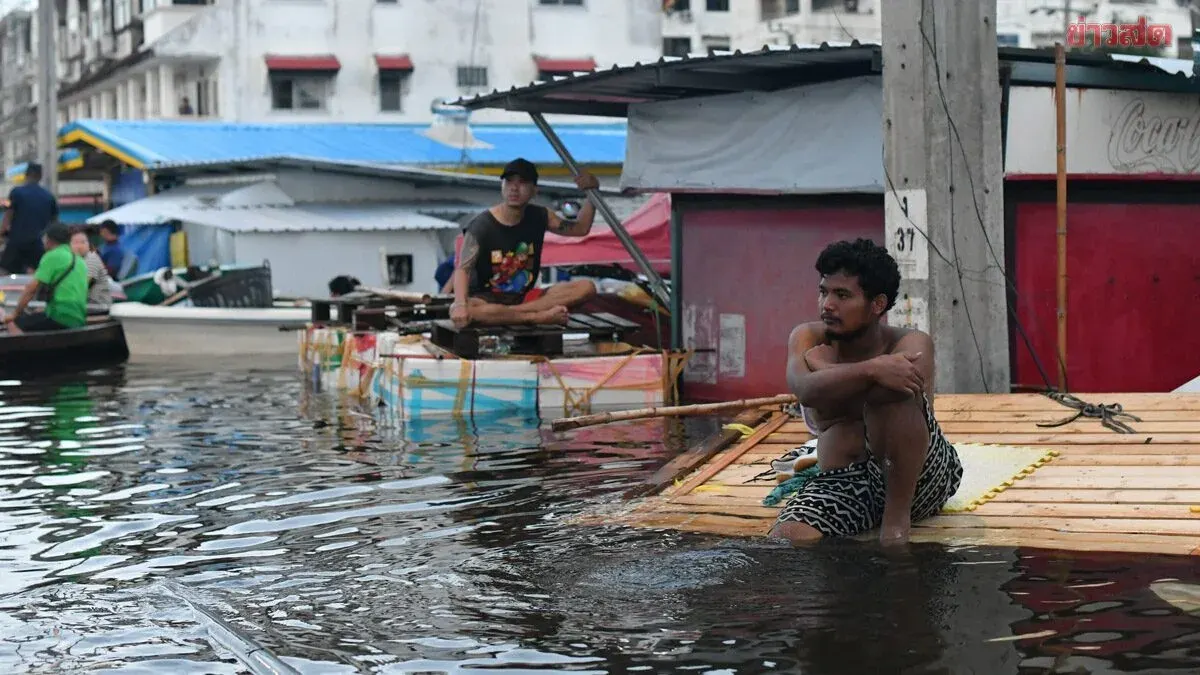
Bangkok Governor Defends Flood Plan, Rejects Monkey Cheek Cancellation
Bangkok Governor Chadchart Sittipunt denied reports that the city has cancelled the royal‑initiated monkey‑cheek flood‑prevention project, explaining that private‑land constraints would require over 11 billion baht for expropriation. He said alternatives such as canal dredging, water‑way shortcuts, and tunnels are more cost‑effective and better suited to local conditions, while the monkey‑cheek concept remains viable where suitable water bodies already exist. He rejected accusations of bias and said calls for his removal are a matter for the prime minister.
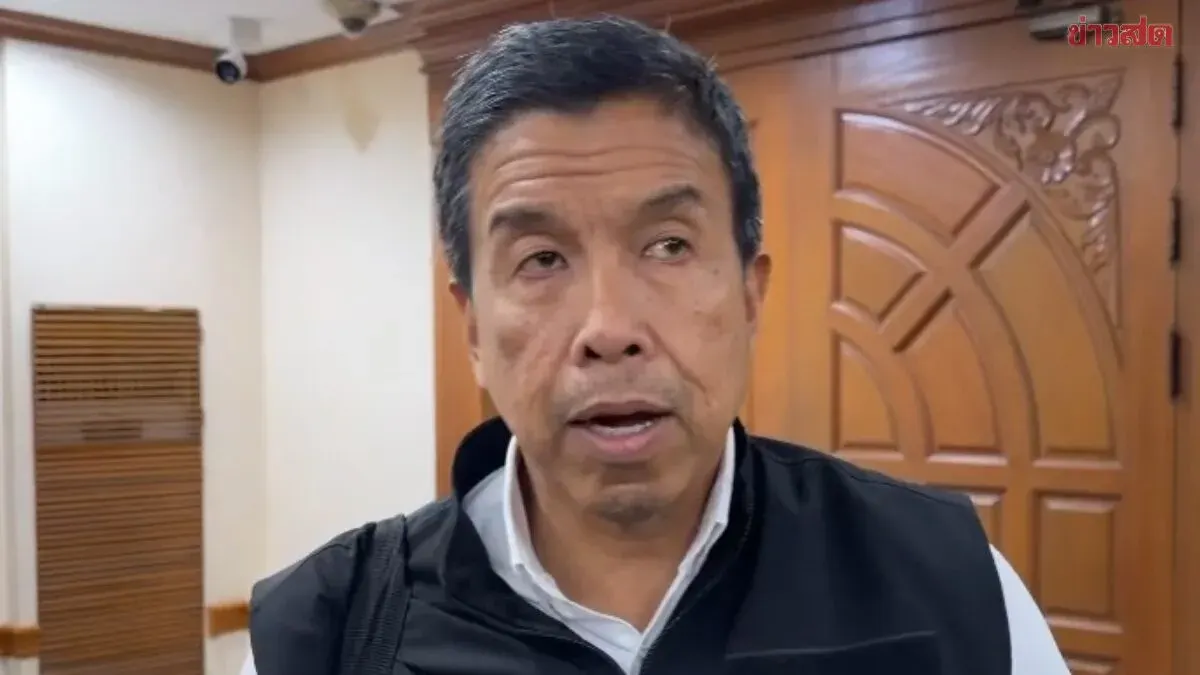
Speaking at the Department of Disaster Prevention and Mitigation on October 1, 2069, Governor Chadchart Sittipunt clarified that the monkey‑cheek concept is one of several flood‑control ideas initiated by the late king, not a standalone project that has been cancelled. He outlined five key approaches: building dikes, creating water shortcuts and tunnels, improving canals and water quality, constructing embankments, and developing monkey‑cheek storage areas. The monkey‑cheek principle requires a suitable water‑holding area with convenient inflow and outflow; after the 2011 floods, Bangkok found that many potential sites were limited by space and drainage systems located on private land, which would necessitate costly expropriation and additional infrastructure. For the specific area under discussion, implementing the original monkey‑cheek design would entail land‑acquisition and system‑development costs of about 11 billion baht. He noted that alternatives such as canal dredging, water‑way shortcuts, and tunnels could be achieved with lower budgets and are more appropriate to local conditions, making the choice a technical one rather than a rejection of the royal initiative. Chadchart emphasized that the monkey‑cheek idea remains applicable where natural water bodies already exist, citing Bueng Nong Bon and the western area near Bang Khun Thian as large, functioning monkey‑cheek zones with main drainage support. Regarding Bueng Kum, if a suitable retention area is already present, the city will focus on dredging canals and linking them to the drainage network. He denied allegations that the plan favours private interests, pointing out that any private land deemed suitable for a monkey‑cheek would still require expropriation and fair compensation. The governor also dismissed claims that his stance opposes the royal project, saying Bangkok continues to apply the king’s water‑management principles but selects methods best suited to each location for maximum benefit. He confirmed that canal water levels are already managed as needed, taking into account inflow and tidal fluctuations. When asked about public calls for his removal by the prime minister, he replied that the decision rests with the prime minister. Asked if he felt discouraged, he said no, adding that the team is doing its best and that the debate linking the issue to the royal project is misguided; decisions are based on technical merit and local suitability.