Cabinet Sets 35% EV Import Tax to Boost Domestic Production
The Thai Cabinet has approved raising excise taxes on imported battery and range-extended electric vehicles from 10-15% to 35% starting January 2027, shifting policy from consumer incentives toward building a domestic EV manufacturing base. Deputy Prime Minister Pichai Chunhavajira says the move aims to create fair competition and attract investment in local production, parts, and technology. Japanese automakers support the direction but urge clear Local Content rules and a managed transition to avoid import surges before the deadline.
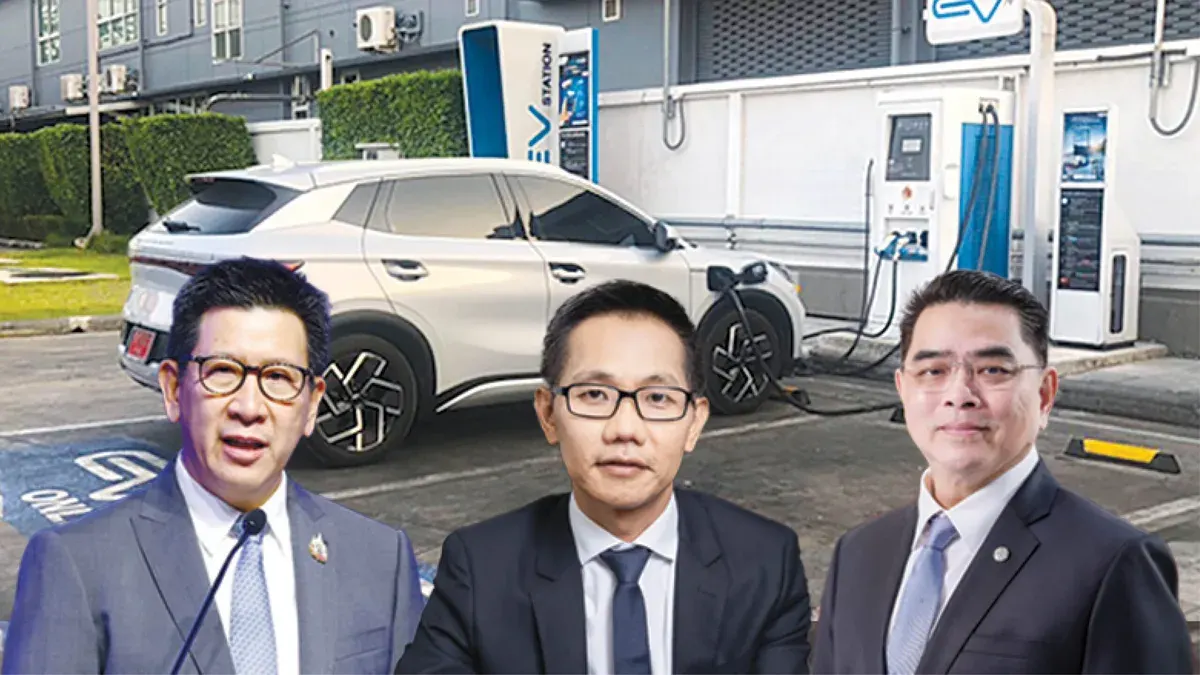
The government is moving forward with a major restructuring of electric vehicle taxes after the Cabinet approved raising excise tax rates on imported battery electric vehicles (BEVs) and range-extended electric vehicles (REEVs) to 35% effective January 1, 2027, up from the current 10% for BEVs and 15% for REEVs. This shift reflects Thailand's policy pivot from accelerating EV market adoption and consumer accessibility toward using tax measures as tools to attract investment and build a domestic production base, aiming to drive market growth toward factories, employment, local parts usage, and technology development. Deputy Prime Minister and Finance Minister Pichai Chunhavajira stated the tax restructuring aims to create fair competition between imported and domestically produced vehicles while encouraging investors to manufacture vehicles and key components in Thailand, positioning the country as a future vehicle production and export hub, increasing local content, creating jobs, developing workforce skills, and adding value to the Thai automotive industry. The crux lies in how effectively the government designs conditions to generate genuine investment, particularly Local Content requirements, which the private sector needs clarified for long-term production and investment planning. The new measure specifically targets excise taxes for imported BEVs and REEVs under the scheme's conditions, not all vehicle types. Internal combustion engine vehicles, hybrids (HEVs), and plug-in hybrids (PHEVs) remain under their existing tax frameworks. The key issue is creating rules that allow domestically produced and imported vehicles to compete fairly while linking incentives to investment and local parts usage. Having a factory in Thailand does not automatically guarantee the lowest tax rate, as it still depends on the details of each tax tier and Local Content conditions. Clarity is therefore a critical task for the public sector, because unclear conditions make it difficult for investors to assess costs and returns, while manufacturers already invested in Thailand must plan how to increase domestic production and parts usage. Japanese automakers support the direction but worry about the transition period. Most operators agree with pushing Thailand as a production base but want the government to design the transition carefully. Supakit Rattanawaraha, Executive Vice President of Toyota Motor Thailand, views the tax adjustment not as market closure but as creating rules that incentivize investment and value creation in Thailand, requiring clear and equitable Local Content criteria to preserve employment, Thai suppliers, and export production capacity. Toyota's concern is the transition impact, as the advance announcement of a tax hike may prompt operators to accelerate imports before January 1, 2027, potentially pressuring domestic production, employment, and Thai parts makers. They propose setting an import ceiling or quota aligned with normal volumes. Meanwhile, Thien Phimmasone, CEO and President of Mazda Sales (Thailand), supports investment to upgrade Thailand's automotive production base but believes there should be measures supporting manufacturers investing continuously in the country, as some models lack sufficient market volume to justify local production yet remain necessary to maintain customer bases, brands, and continuity.