Chiang Mai Doctor Explains Why Not All Seniors Have Age-Related Body Odor
A Chiang Mai doctor explains that age-related body odor, caused by chemical changes in aging skin, doesn't affect all seniors and depends on genetics, health, and lifestyle rather than hygiene alone.
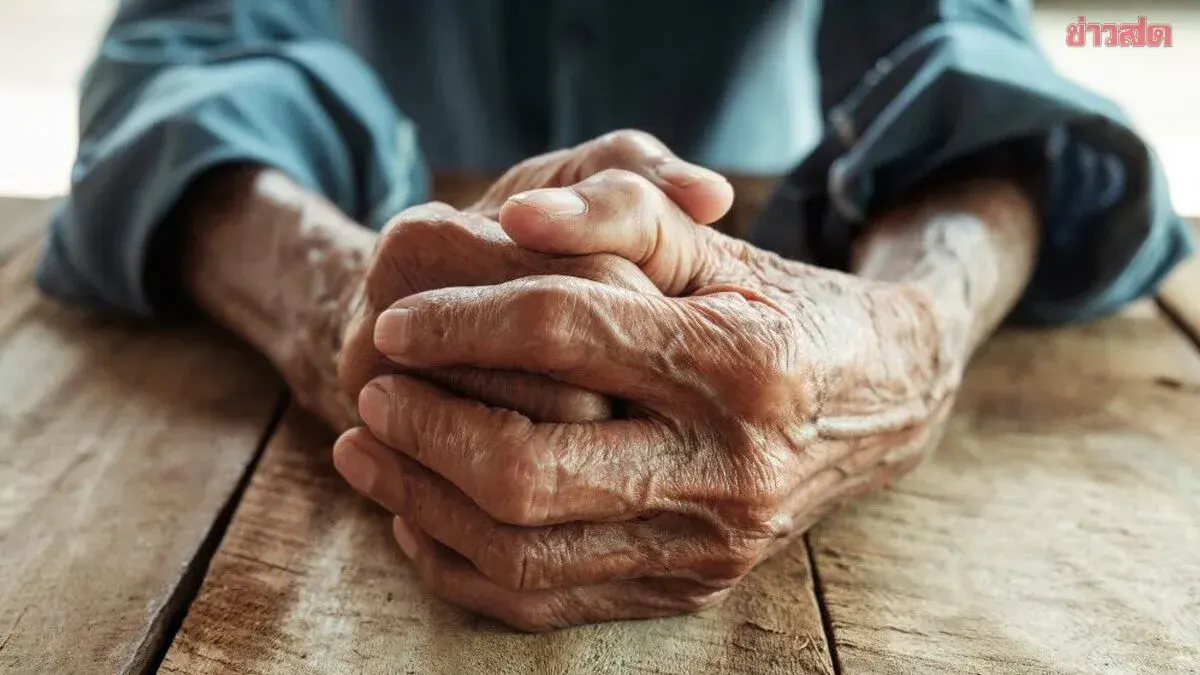
On July 15, 2025, Assoc. Prof. Dr. Peerasak Lertrakarnon, head of the Department of Family Medicine at Chiang Mai University's Faculty of Medicine, explained that age-related body odor has a scientific basis but does not affect all elderly people and is not solely the result of poor hygiene.
**What Causes Age-Related Body Odor?**
As people age, the body undergoes multiple changes, including alterations in skin function, hormones, skin cell turnover, and the composition of skin lipids. Research has found that older adults begin to accumulate a substance called 2-Nonenal (documented since 2001), which results from the oxidative breakdown of fatty acids on the skin. This compound produces a distinctive smell often described as resembling dried grass, old paper, or a musty odor—the origin of the term "age-related odor." It typically appears from around age 40 onward and may become more pronounced in advanced age.
**Do All Elderly People Have Age-Related Odor?**
No. While age is a factor, the intensity of odor varies among individuals and depends on multiple factors including genetics, overall health, personal hygiene habits, water intake, diet, exercise, medication use, and chronic diseases. Many elderly people do not experience abnormal body odor at all.
**Some Diseases Can Also Change Body Odor**
If body odor changes rapidly or an unusual smell appears alongside other symptoms, it may signal a condition requiring medical attention, such as diabetes, chronic kidney disease, liver disease, infection, chronic wounds, or oral health problems. Anyone suspecting abnormal changes should consult a doctor.
**Bathing Alone May Not Be Enough**
Managing age-related odor requires a comprehensive approach including daily bathing and body cleaning, thorough drying especially in skin folds, regular clothing changes, frequent laundering of towels and bedding, adequate water intake, balanced nutrition, appropriate exercise, management of chronic diseases, and regular health checkups. Family members should assist elderly relatives who have limited self-care ability with bathing, clothing changes, and bedding cleaning on a regular basis.
**Avoid Saying "You Smell"**
Many elderly people may not realize their body odor has changed because their sense of smell declines with age. Direct comments like "you stink" or "why haven't you bathed" can cause embarrassment, loss of confidence, and feelings of being a burden to the family.
**What Should You Say Instead?**
Dr. Peerasak recommends using care and concern as the foundation for communication, such as: - "It's hot these days. Let me help prepare a bath for you." - "Let's change into fresh clothes so you'll feel more comfortable." - "I've washed your blankets and pillowcases. You'll sleep well tonight."
If you suspect odor may be disease-related, invite your loved one to see a doctor for health reasons rather than mentioning the odor directly. Age-related body odor is not shameful and not something elderly people choose to experience. Sometimes what seniors need most is not perfume or deodorant, but understanding, attention, and gentle care from their family members.