Chiang Mai Science Park Designs Policy to Boost Northern Farm Supply Chains
Chiang Mai University Science Park hosted a policy workshop to strengthen northern Thailand's agricultural supply chains and integrate them into global markets, bringing together government, business, and academic stakeholders to design sol
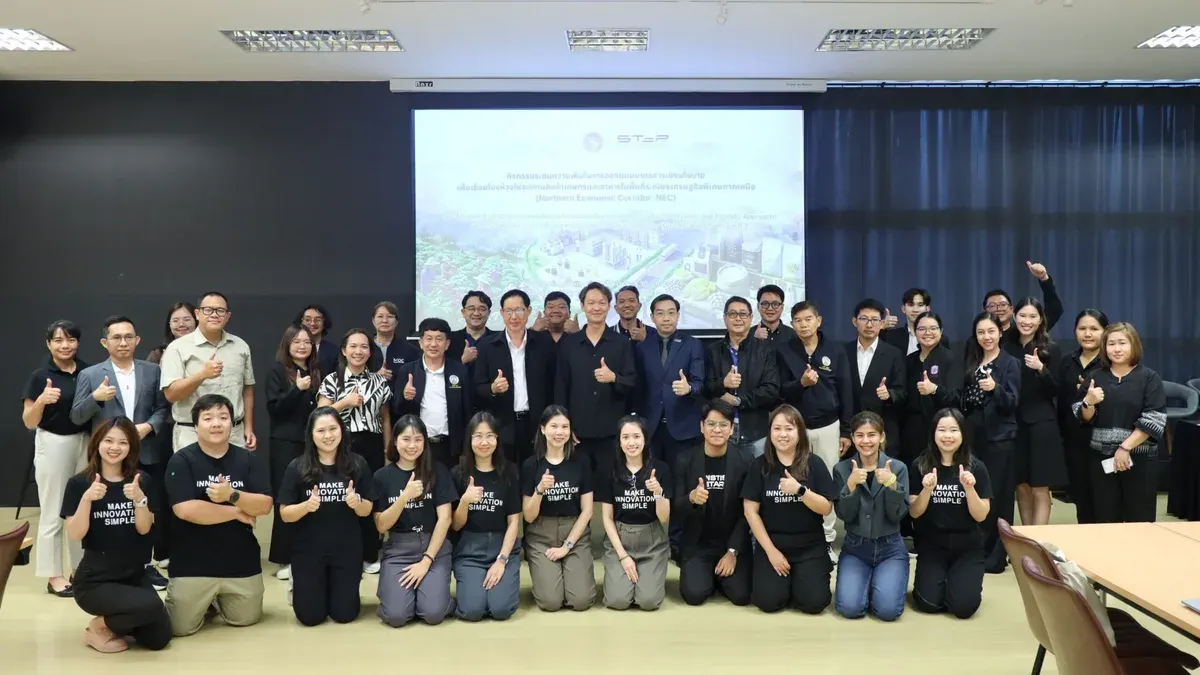
The Chiang Mai University Science Park (STeP) is driving policy innovation to elevate agricultural and food value chains in the Northern Economic Corridor (NEC) toward integration into global value chains. The park held a workshop on August 20, 2026, at its northern facility in Chiang Mai, bringing together government agencies, private businesses, educational institutions, and local entrepreneurs to analyse problems, design solutions, and establish workable policy measures.
General Manager Nueng Pichat Intrawut opened the meeting and explained the project's objectives. Director Associate Professor Pitivatana Wattanchai later closed the proceedings and outlined next steps, aiming to build consensus on implementation direction and incorporate stakeholder input into the policy design process.
The workshop used participatory methods to reflect real-world conditions and constraints in the region. Presenters shared research findings on the agricultural and food value chain situation in the NEC, along with gap analysis results comparing agricultural demand from industry against local production capacity. Participants from all sectors reviewed and validated these findings based on their perspectives and experience.
Working groups conducted root cause analysis using Causal Layered Analysis tools and designed transformation approaches and action plans. Discussions focused on problem-solving, prioritising urgent factors, and crafting policies suited to local context. After group presentations and feedback, participants refined recommendations to ensure alignment with actual conditions before finalising priority measures.