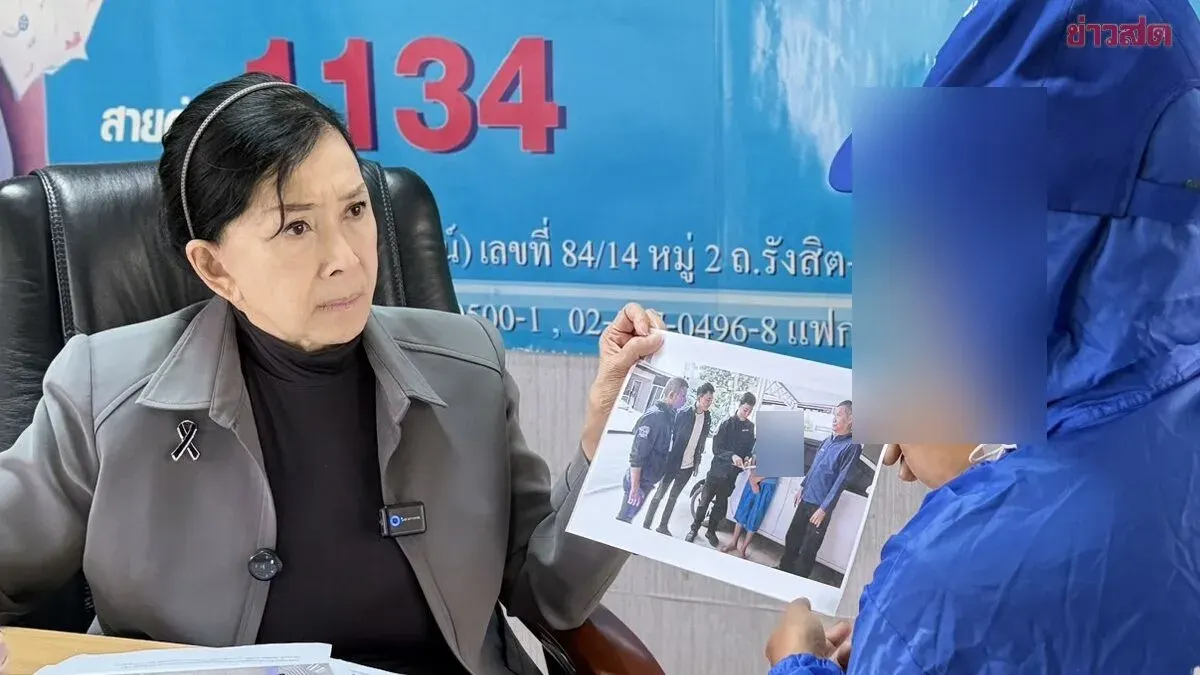
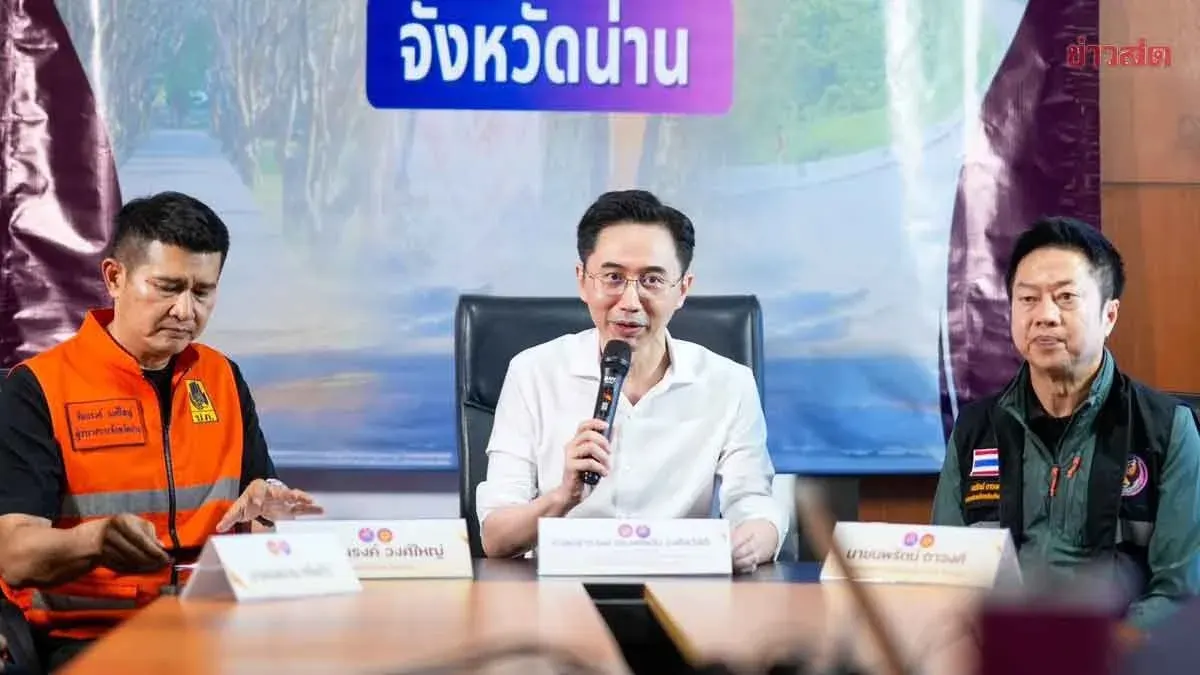
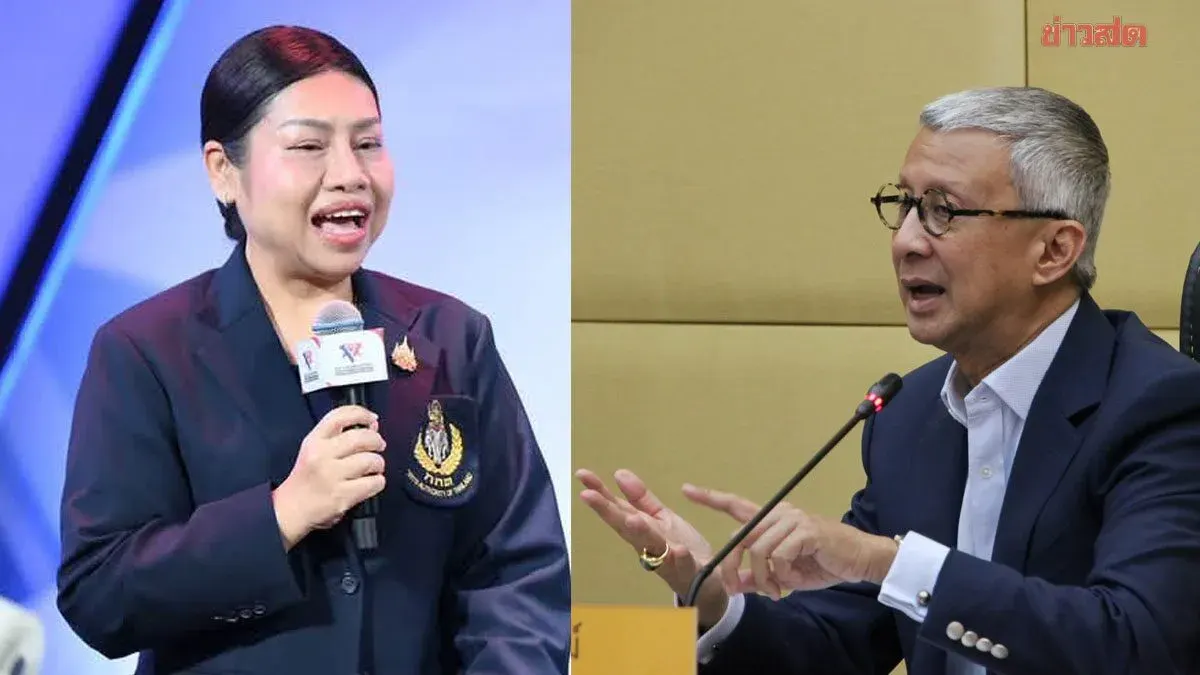
Deputy Government Spokesman Lalida Perischvivatch challenged opposition critics to produce concrete evidence supporting allegations that the Ministry of Digital Economy orchestrated information operations to promote the TH-AI Passport project. Responding to MP Raksachon Srinok's accusations, Lalida argued that suspicion and fact are not the same, and that claims involving state agencies must meet clear evidentiary standards. The government remains open to scrutiny but insists that all parties be held to the same investigative standards.
Deputy Government Spokesman Lalida Perischvivatch responded to accusations by opposition MP Raksachon Srinok regarding the TH-AI Passport project on August 20, 2025. Srinok had raised concerns about online social media accounts showing support for the AiPASS initiative, suggesting they could be information operations linked to the Ministry of Digital Economy for Society. Lalida stated that while raising questions about government operations is a legitimate right, suspicion must be distinguished from fact, and any accusations involving state agencies require clear evidence.
Lalida explained that while newly created accounts with no posts or coordinated comments can warrant further investigation, such observations alone are insufficient to conclude the accounts are information operations or to accuse a government ministry of orchestrating them. She emphasized that those making such accusations must prove who owns the accounts, who ordered or hired them, which budget or resources were used, and provide direct evidence linking the accounts to state agencies.
Lalida challenged critics to produce documented proof—including orders, employment contracts, budget disbursements, coordination channels, or any evidence directly linking the accounts to commanding officers—if they believe the ministry was truly involved. She stressed that without such evidence, what exists is suspicion, not fact, and conclusions should not leap from observation to accusation.
Lalida criticized what she called a double standard in scrutiny. She noted that opposition critics demand the government present evidence before accusing anyone, yet apply a different standard when making accusations themselves. "Drawing conclusions beyond available evidence is not rigorous oversight, but applying two standards: demanding proof from the government while accepting screenshots as conclusions when accusing the state," she said.
The spokesman confirmed that the government welcomes full scrutiny of the TH-AI Passport program, including its operations, budget use, and public outcomes. However, she insisted that scrutiny must follow the same standards for all parties, particularly when allegations involve government authority or resources.
Lalida stated that the government is not afraid of investigation and acknowledged the opposition's duty to oversee the government, just as the government has a duty to answer questions. But good oversight, she argued, should not begin by assuming guilt and forcing others to prove innocence. "If you truly believe information operations exist, investigate thoroughly to the commanding officer, employer, and funding source, then present the evidence to society. At that point, the government will be ready to take responsibility for the facts. But until then, call it what it is: suspicion, not fact," she concluded.