Clarification on Task Force Formation to Investigate MP Kamlasak's Murder Case; Region 9 Commander Absent from Probe Team
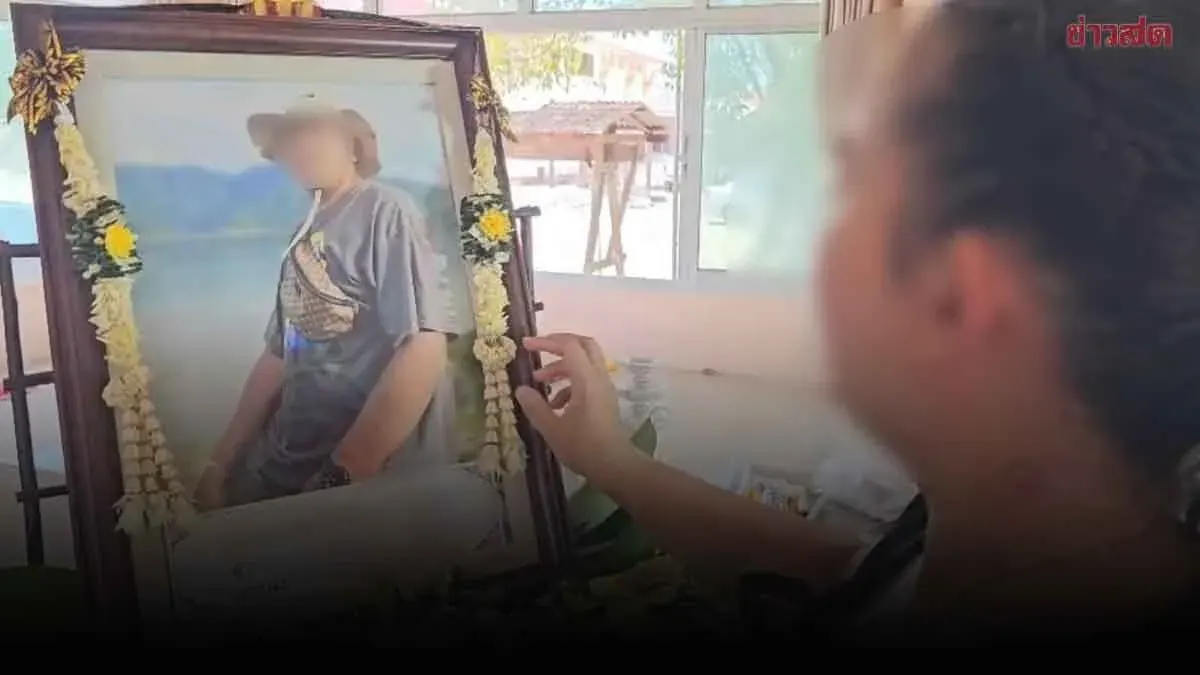
Officials clarified that Region 9 Commander Piyawat Chelamosri was absent from the task force investigating the murder of Narathiwat MP Kamlasak Liwamauea because he was not formally listed as a committee member, though a senior command-lev

In the case of the assassination of Kamlasak Liwamauea, a Narathiwat MP representing District 5 of the Palang Pracharath Party, a meeting of the investigation task force was held on April 27, 2569 at 1:30 p.m. at the Royal Thai Police Region 9 headquarters in Narathiwat. Deputy Commander Tharesha Kaewlalead chaired the meeting, with senior officers including Prayong Kotsakha, the Narathiwat provincial police commander, and approximately 30 investigators from Region 9 in attendance.
However, questions arose regarding an apparent irregularity at the meeting—namely, why Region 9 Commander Piyawat Chelamosri and the national investigation task force unit failed to personally oversee a case of such severity as the assassination of a parliamentary representative. This oversight prompted criticism about the direction of the investigation.
On May 3, 2569, Chumpon Saksureemongkol, head of the national investigation task force unit, addressed these concerns by explaining that the Region 9 commander's absence was due to his not being formally listed as a member of the investigation committee.
"The commander was not part of the committee. Yesterday there were two meetings held—I attended the morning session myself, but I did not attend the afternoon session where these questions were raised," Chumpon stated.
Office officials also confirmed the organizational structure of the case, noting that Region 9 police had deployed a "Boh Choh" (command level) officer to oversee operations for greater procedural rigor. A new task force was formed with Tharesha as head and Chumpon as deputy head, along with investigators and the Narathiwat provincial police commander. Deploying command-level officers to supervise investigations at the provincial level is considered standard procedure for high-profile cases to ensure evidence gathering is thorough and case procedures are credible.