Thailand Rolls Out Domestic Tourism Stimulus to Boost Secondary Cities
Thailand's Tourism Ministry is launching a domestic stimulus program to boost travel to secondary cities as foreign arrivals remain below last year's levels, with recovery signs emerging from key markets like China and India.
Foreign tourist arrivals in Thailand accumulated 19.15 million from January 1 to August 8, down 2.93% compared to the same period last year, generating 927.7 billion baht in spending. The top five source markets are China (3.21 million), Malaysia (2.44 million), India (1.42 million), Russia (1.12 million), and South Korea (704,000). However, recent data shows recovery signs, with 636,769 foreign visitors entering Thailand between August 2-8, up 12.24% week-on-week and averaging 90,967 daily arrivals. Near-market visitors rose 16.11% to 421,215, while long-haul visitors increased 5.39% to 215,554, driven by China's school closures, holidays in Japan and India, and new flight routes from Dubai and Amsterdam.
Outstanding growth markets during the week include China (128,585, up 20.34%), India (39,216, up 20.15%), and Japan (26,968, up 76.57%), while Malaysia rose 7.78% and South Korea fell 5.17%. The ministry expects arrivals to slow next week as holiday periods end across key markets. The Tourism Ministry is advancing the 'Thailand Travel Plus' domestic stimulus program following private-sector input, aimed at boosting domestic travel and distributing revenue to hotels, restaurants, and businesses in secondary tourism cities.
The preliminary approach involves partial expense support while still determining details on hotel conditions, operator requirements, and service subsidy formats beyond meals. The Krung Thai Bank's 'Pao Tang' digital wallet system will serve as the main platform. Funding sources are under Finance Ministry review, balancing loan versus budgetary allocation to suit the program's objectives and economic conditions. Once the budget envelope is finalized, backend system development and operator registration must be expedited before full program launch.
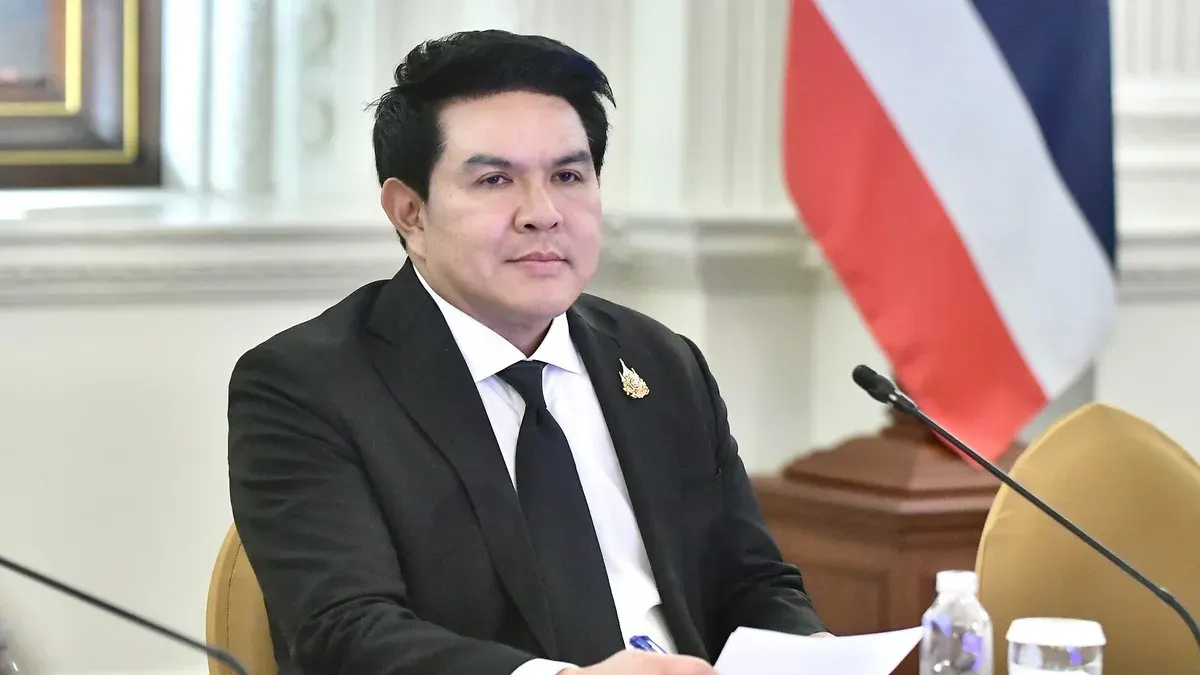
Minister Surasak emphasized that timing is critical; launching during the green season would fill gaps in tourist demand and distribute revenue more broadly to communities. However, delaying into the high season may require restructuring the measure and soliciting private-sector feedback again. A conclusion on program details, funding, and system readiness is expected this week or by next week at the latest to ensure timely rollout and stimulus impact on the domestic tourism economy.