Construction Material Costs Surge 5.8% on Raw Price Hikes
Construction material costs in Thailand jumped 5.8 percent year-over-year in July, driven by surging raw material and energy prices linked to Middle East tensions and rising global copper demand for clean energy and AI infrastructure.
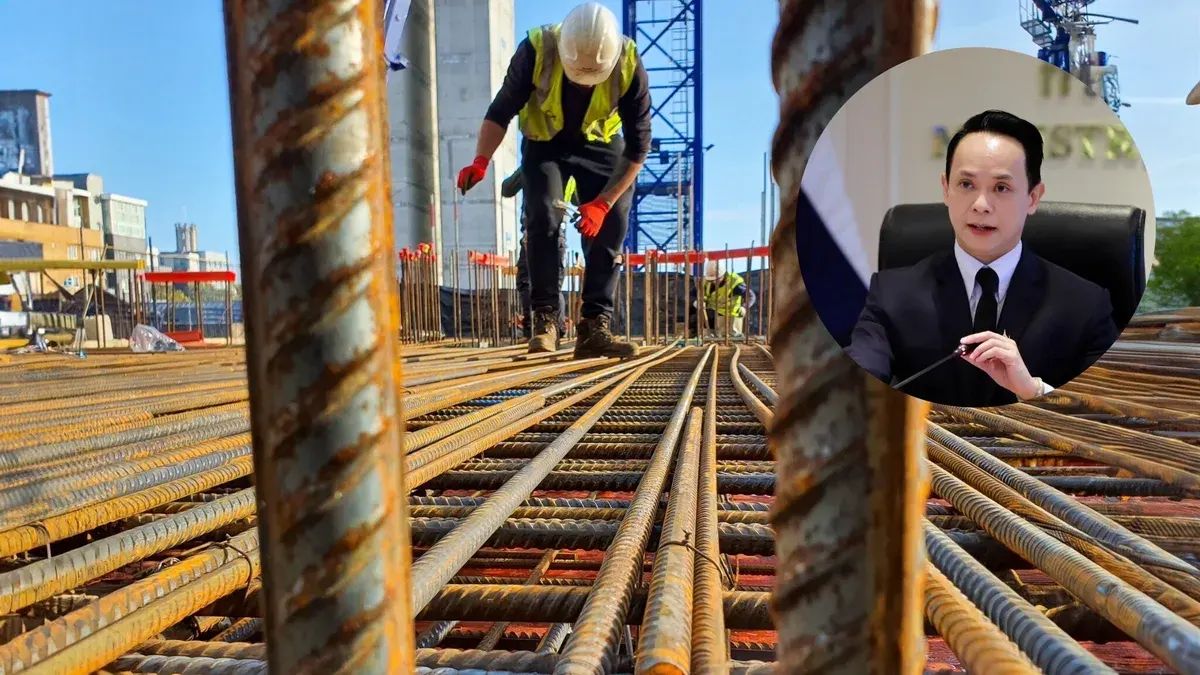
Thailand's construction material price index for July 2025 reached 112.8, a 5.8 percent increase from July 2024, driven by higher raw material, energy, and transport costs tied to Middle East tensions. According to Nanthapong Jiralertpong, director of the Office of Trade and Economic Strategy, the increases span multiple categories: wood and wood products rose 4.7 percent due to higher raw material and shipping costs linked to oil prices; cement gained 0.2 percent from rising demand in state construction projects; and concrete products surged 9.3 percent as cement, stone, and sand prices climbed alongside diesel fuel costs affected by Middle East conflict impacts.
Steel and steel products edged up 0.2 percent from higher raw material prices, while tiles increased 3.2 percent due to rising natural gas energy costs and silica ore prices. Finishing materials advanced 1.8 percent on acrylic paint and epoxy resin cost increases, and sanitary ware rose 2.6 percent from high-energy production processes. Electrical and plumbing equipment jumped 12.6 percent as copper prices in global markets continued climbing, driven by demand for clean energy infrastructure, advanced semiconductor technology, and artificial intelligence applications.
Other construction materials surged 13.0 percent, with rubber prices tracking higher global oil levels and natural materials (stone, soil, sand) rising alongside fuel costs for machinery. Nanthapong predicted the index would continue climbing in August 2025, citing ongoing geopolitical tensions in the Middle East and Russia-Ukraine conflict creating volatile oil and energy prices, sustained high copper prices from clean energy and data center demand supporting AI industry expansion, and persistent supply chain pressures globally.