Craving Ice? Doctor Warns It May Signal Iron Deficiency Anemia
Compulsive ice-chewing, medically known as pagophagia, may signal iron deficiency anemia rather than a harmless habit, according to a physician who notes the craving often disappears once iron levels are restored through proper treatment.
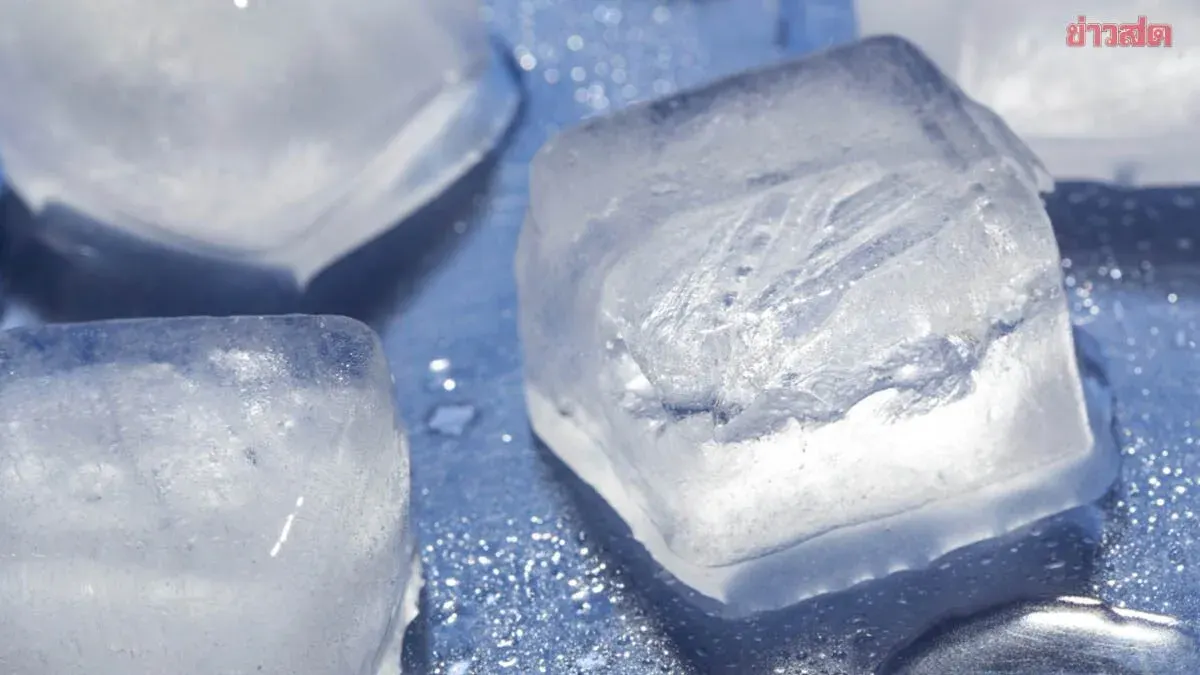
A doctor warns that intense and persistent cravings to chew ice may not simply be a personal preference, but rather a medical condition. During hot weather, many people enjoy cold drinks with ice, and some habitually chew the leftover ice in their glass. However, Dr. Wu Chi-ing, a physician and health influencer, reveals that such compulsive ice-chewing behavior may actually reflect hidden health problems.
The condition is known medically as pagophagia, a form of pica (eating non-food items), and it may signal iron deficiency anemia. While ice-chewing may appear to be merely a personal habit, clinical experience shows that patients with this condition often have surprisingly high levels of iron deficiency when tested.
Why does iron deficiency cause ice-chewing cravings? Although there is no definitive scientific mechanism, the most widely accepted explanation is that iron is essential for brain function. When the body lacks iron, alertness and concentration decline, causing fatigue, drowsiness, and weakness. The intense cold sensation from chewing ice may temporarily stimulate the brain, providing a brief sense of refreshment and alertness.
The doctor notes that many patients find their ice-chewing urges disappear once iron levels are restored to normal through treatment, often surprising even the patients themselves with this change.
If you suspect iron deficiency, get tested before taking supplements. Dr. Wu Chi-ing recommends against self-treating with iron supplements without professional diagnosis. Anemia has multiple causes, and taking iron without addressing the underlying reason may be ineffective. It is necessary to identify the root cause: whether it stems from abnormal blood loss, insufficient dietary iron intake, or chronic gastrointestinal bleeding. Taking iron without proper diagnosis may mask the underlying disease and delay treatment.
Blood tests provide quick answers. A blood test measuring hemoglobin levels and iron storage in the body can provide rapid answers. Once diagnosis is confirmed, the doctor will determine the appropriate form and duration of iron supplementation, which is the safest approach.
Dr. Wu Chi-ing concludes that warning signals from the body often hide in small daily behaviors. While most people who chew ice may simply enjoy the sensation, in some cases this behavior may be the body's way of signaling iron deficiency and the need for medical evaluation.