Deputy Minister Phl Phir Rebukes Ex-Permanent Secretary Over Criticism
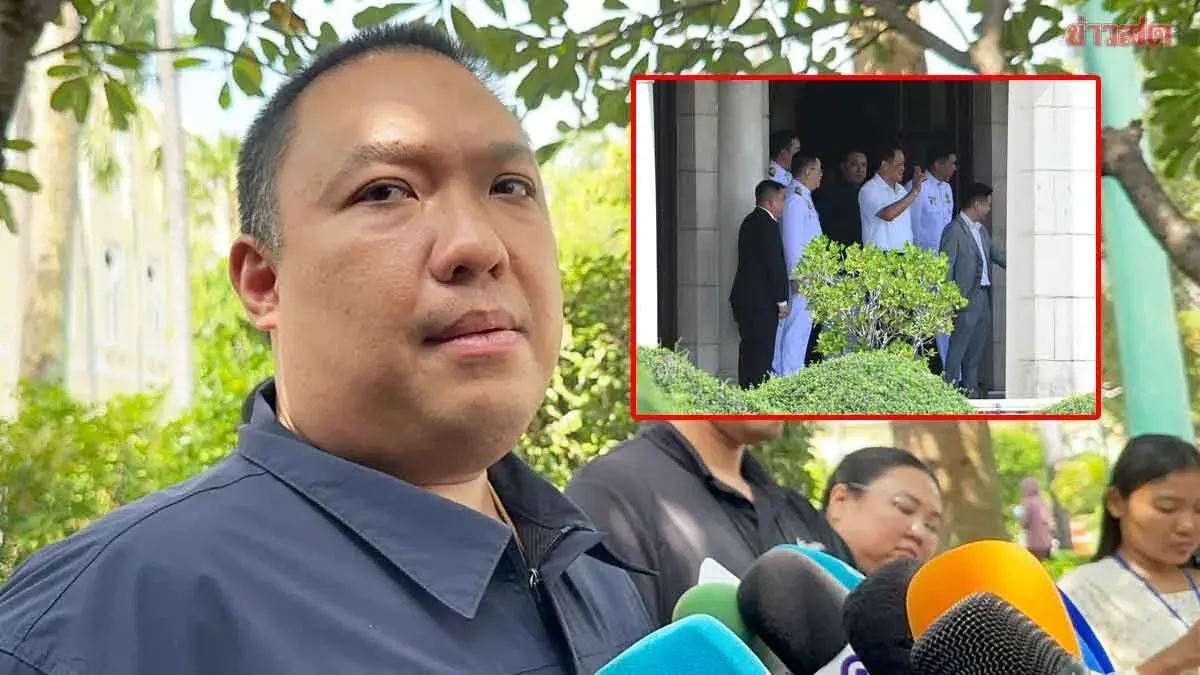
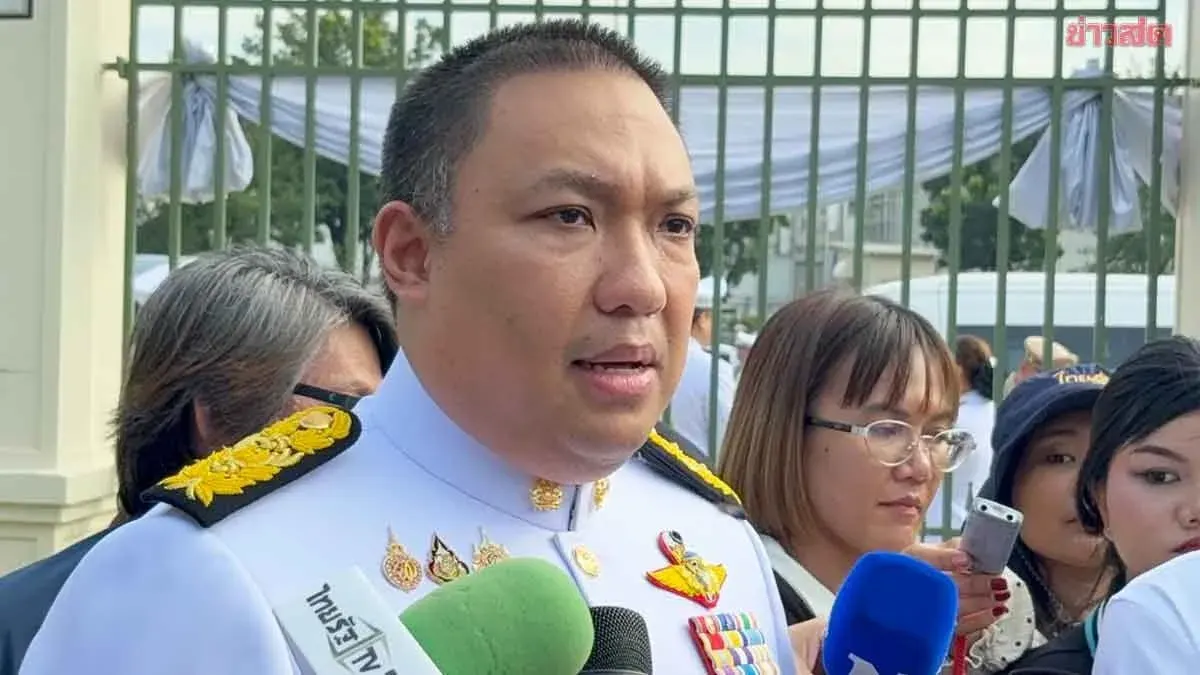
Deputy Minister of Interior Phl Phir Suwanchavee rebuked a former permanent secretary who called himself the 'billion‑baht permanent secretary', saying he would be ashamed to disparage civil servants. He defended the flood‑relief work of three new deputy ministers and noted that Eastern Economic Corridor projects remain under NACC investigation. Phl Phir urged that responsibility for past local‑corruption cases be examined by looking at who led the ministry at the time, and stressed that legal processes continue despite recent suspect releases.
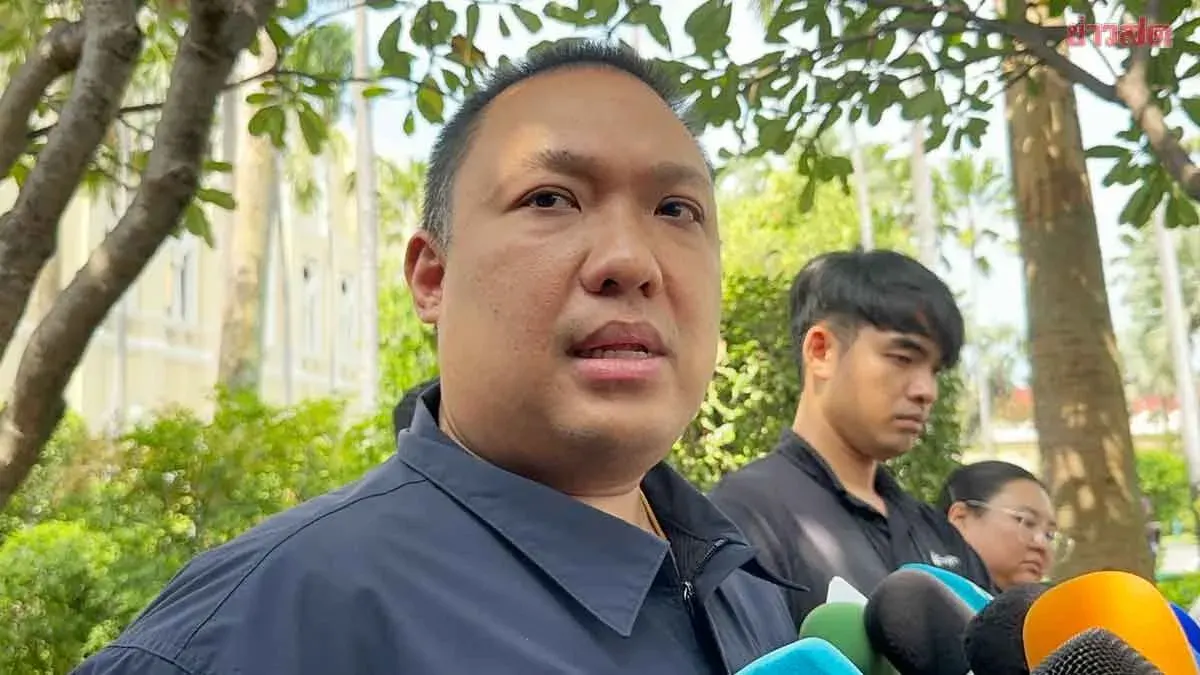
At 10:15 a.m. on October 13, 2069 at Government House, Deputy Minister of Interior Phl Phir Suwanchavee responded to criticism from the former permanent secretary of the Interior Ministry regarding local corruption cases. He said he would be ashamed to disparage civil servants at a large meeting and ashamed to be called the 'billion‑baht permanent secretary'. He added that several projects in the Eastern Economic Corridor have problems and are under investigation by the National Anti‑Corruption Commission, which could harm state agencies, and he had heard the company involved had been sold but the issue remains unresolved. When asked whether the company (referred to as SP something) is linked to the former permanent secretary, Phl Phir said to look it up. Regarding the local corruption case, he said he knows the least about it and that responsibility should be checked by looking at who ran the Ministry at that time. He believes implementing government policy upgrades the ministry's dignity and order, and any shortcomings need a big clean‑up to restore the ministry and the morale of civil servants who have long been belittled by insiders and leaders. He noted there are three new deputy ministers of interior, each with different personalities, workloads and plans, including their own policies. He gave examples: Deputy Minister Jeset Thai‑set constantly tours flood‑hit provinces, visiting three provinces a day, something he hasn't seen previous deputy ministers or officials do. Deputy Minister Worasit Liangprasert, from the south, also pours energy and potential into draining water from Bangkok and coordinating southern flood‑plan integration. When asked about the NACC releasing three suspects in the local corruption case, Phl Phir said it's just procedural; the ministry has completed all steps, and even if suspects are released today it doesn't mean they escape the case; files can be recalled later and the legal process continues. Regarding public skepticism, he said both sides are curious, as it involves an independent agency. Phl Phir also said flood‑response shouldn't change horses mid‑stream; he, the Defence Minister and the Transport Deputy Minister have been on the ground without issue. The problem lies with those who talk loudly but aren't on site; those actually working may not speak as loudly. He observed that resources, military, transport officials and locals are all present, water levels are dropping, and field visits bring public complaints such as medicine needs, which have been met with about 100,000 medicine kits, boats and water‑pumping machines, leaving no gaps for public distress. He said whether former district chiefs are good or bad is for locals and officials to decide; opinions differ if one isn't present. He reflected that a coin has two sides, so people choose whom to listen to, and social media won't give the full picture.