Deputy Minister Plays Esports Game, Pushes Digital Youth Policy
Deputy Education Minister Akkanut Kannitinant launched an esports training program in Kanchanaburi with 33 competing teams, pledging to expand digital youth initiatives nationwide and personally engaging with students to better understand t

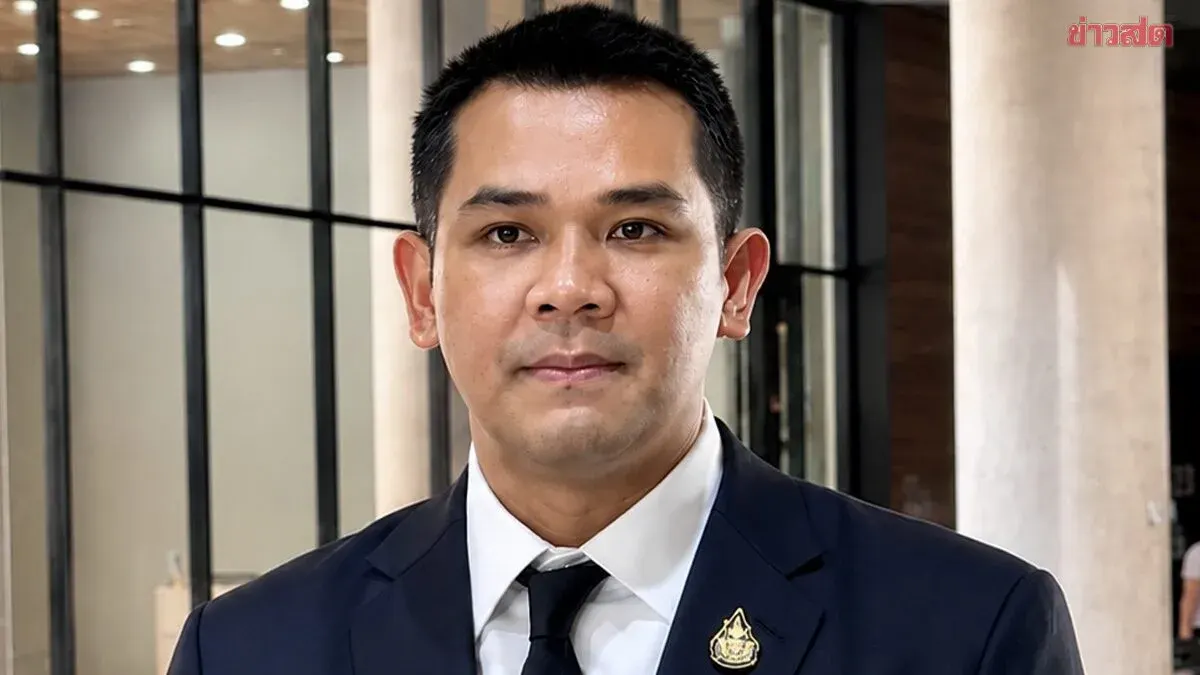
Deputy Education Minister Akkanut Kannitinant presided over the opening of the NPRU E-Sport Secondary Cup 2026 training program for esports competitors and content creators on July 25, 2569, alongside Education Ministry task force member Paramee Waijongjaroeng, Kanchanaburi Secondary Education Area Office Director Paichiaya Pimmsari, Thapmongkhon Rangsit School Director Siwarutt Payuha, and faculty members. The competition drew strong interest from regional secondary schools, with 33 teams competing, reflecting collaborative support for learning that meets the digital era's needs.
Deputy Minister Akkanut stated that while the world prioritizes esports, Thailand lacks adequate budget support—this event received minimal initial funding for meaningful youth development. "Understanding modern teenagers' needs, I am determined to create spaces for creative activities for children and youth," he said. "I will push this at the ministry level for concrete results soon. Our first goal is to make Kanchanaburi a regional esports model to serve as a pilot before expanding support to esports-loving students nationwide."
Akkanut also posted on his Facebook page that he played the game Realm of Valor with youth at the esports event because he believes education leaders should not wait for children to adapt to us—we must adapt to understand their world. In a rapidly changing era, speaking the same language as the new generation means understanding their thoughts, interests, and lifestyle, not just using the same words. Playing games together is not merely fun but an opportunity to bridge the age gap and create natural conversation. As deputy minister overseeing education, he believes good policy must start with genuinely listening to and understanding young people, because when we understand them, we design education that better serves the future.