Deputy PM Ekniti Launches Facebook Page For Economic Policy
Deputy PM Ekniti Nitithanprapas launched a Facebook page to explain his economic policies and address Thailand's structural challenges, including energy crises and chronic fiscal deficits, through a five-pillar approach focused on stabiliza
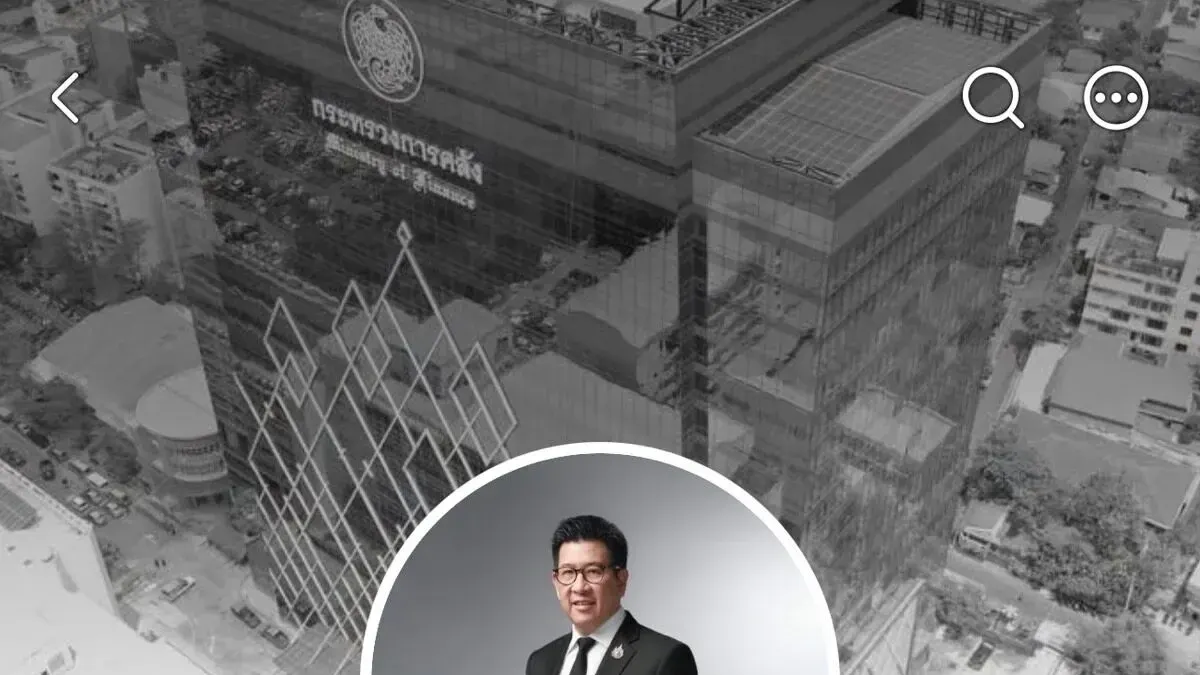
Deputy Prime Minister and Finance Minister Ekniti Nitithanprapas officially launched his Facebook page on July 5 under the name "Dr. Ekniti Nitithanprapas" to communicate economic policy concepts and implementation as Deputy PM and Finance Minister. In his first post, Ekniti explained his intention to use the platform to discuss and clarify economic policy ideas, implementation results, and developments in macroeconomics, public finance, budgeting, finance, capital markets, and investment to educate the public.
Ekniti noted he took office in the Anuto 2 government in early April 2025 amid a global energy price crisis stemming from Middle East conflicts, which triggered cascading crises—from oil shortages and high prices to rising living costs and a cost-of-living emergency. He warned that failure to address these crises would compound problems.
Ekniti described Thailand's structural economic challenges as chronic, including below-potential growth, declining competitiveness, persistent fiscal deficits where revenue lags spending, and long-neglected infrastructure investment, particularly in clean energy—critical infrastructure for the modern world. He likened Thailand's economy to chronic cancer with recurring complications.
With limited government budgets, Ekniti said he must carefully manage both revenue and expenditure to stabilize the short term while seizing the opportunity to transition and build strong foundations for Thailand's long-term economic growth. He outlined a five-pillar approach: Target, Transition, Transform, Transparency, and Together, aimed at stabilizing today, transitioning crises into opportunities, and transforming for tomorrow based on fiscal discipline.
For stabilizing the economy amid global turbulence, Ekniti continued previous "Quick Big Win" policies that showed concrete results by late last year. Facing unexpected energy crisis impacts, the government prioritized stabilizing the economy against the global energy crisis, as Thailand ranks first in ASEAN for oil imports and top-tier in Asia. The government managed oil price stability through the oil fund, preventing extreme volatility and shortages unlike other nations, keeping Thai oil prices lower than many ASEAN countries in April-May. Using the oil fund as the main price management tool prevented fiscal impact.