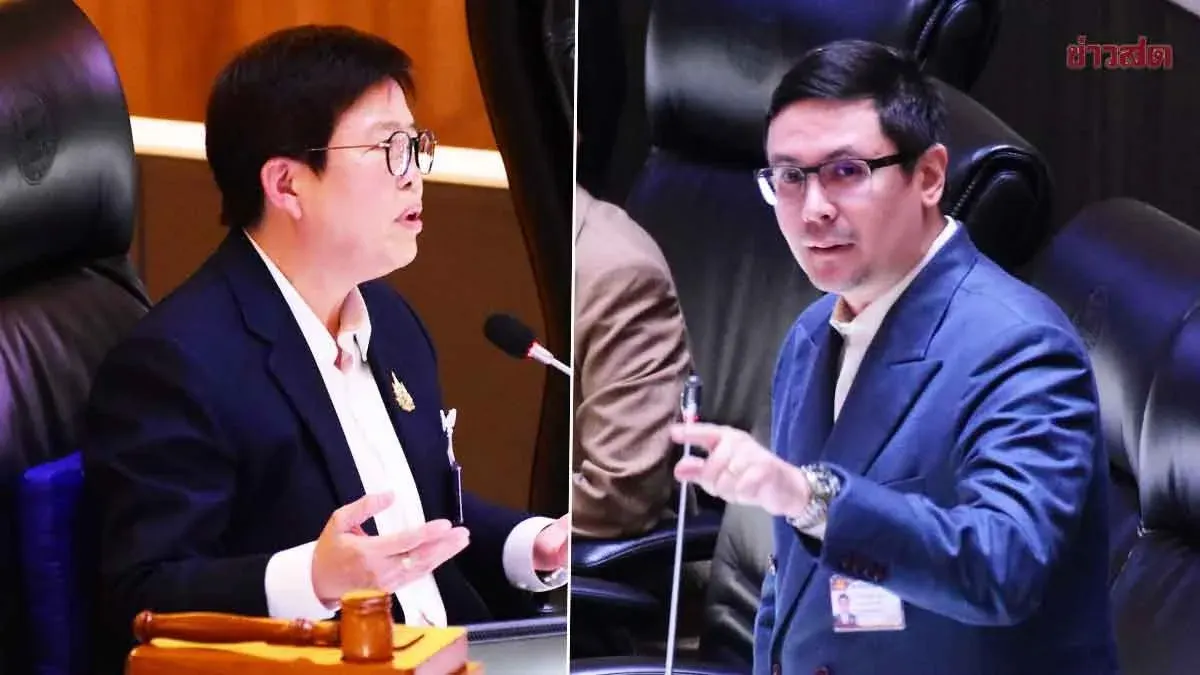
Deputy Speaker Faces Criticism Over Parliamentary Conduct
Deputy Speaker Mallika Jirappanvanich faces criticism for cutting off a Chiang Mai MP during Clean Air Management Bill debate, with critics arguing she overreacted to a minor procedural violation by threatening to adjourn the session entire
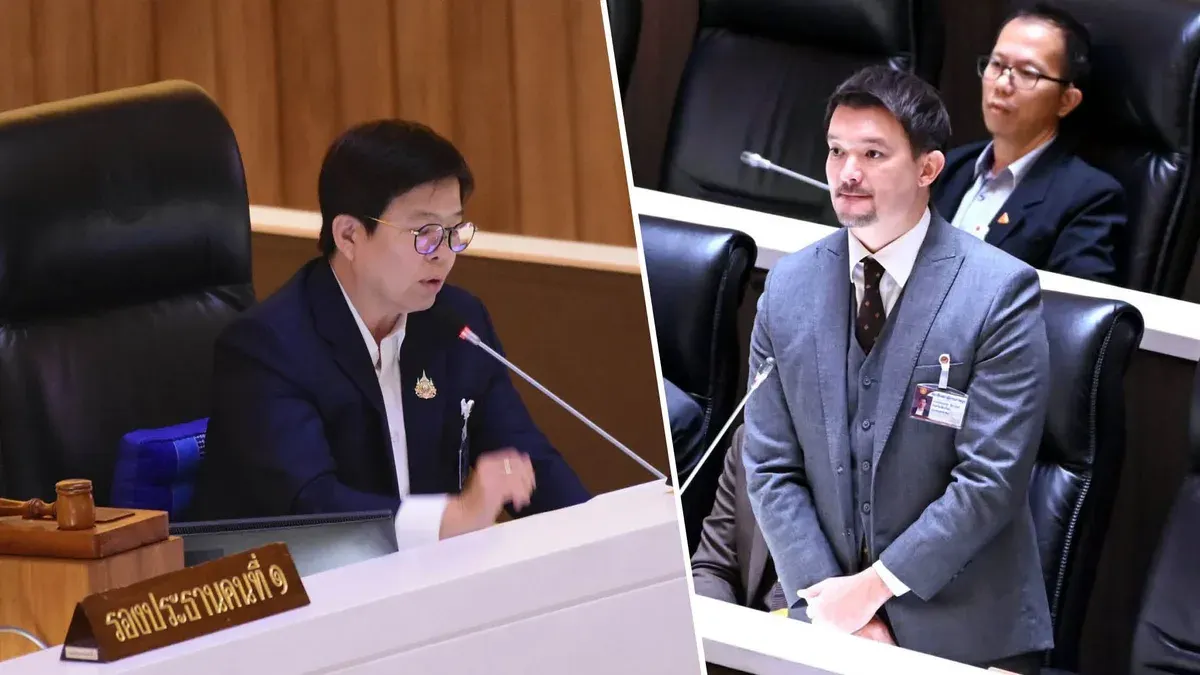
The conduct of Mallika Jirappanvanich, First Deputy Speaker of the House of Representatives, has drawn widespread criticism for her handling of parliamentary procedure during debate on the Clean Air Management Bill. The bill had passed the House, been amended by the Senate on multiple points, and returned to the House for final approval.
During the debate, Chiang Mai Democrat MP Pattrapong Leelapat was cut off mid-speech when he touched on the Senate's amendments, claiming they were unacceptable. His microphone was muted and Mallika moved on to another speaker. As Leelapat was winding up, he expressed audible frustration, prompting social media discussion.
Mallika later clarified that the cutoff was due to his remarks exceeding the time limit by five seconds, not because of any reference to the Senate. She reissued a statement to this effect the following day.
However, critics argue the real issue is her response to the situation. According to parliamentary rules, when inappropriate or off-topic remarks occur, the chair should direct the speaker to withdraw or admonish them for violating procedure. Instead, Mallika appeared ready to adjourn the session altogether—a disproportionate response to a procedural breach.
This raises the question of whether a presiding officer can threaten to shut down debate whenever dissatisfied, and whether important legislation affecting public welfare should be delayed by one person's mood. Notably, Mallika has previously blocked debate on other grounds, such as claiming public disinterest, and has even made statements from the chair on matters outside her role, breaching political neutrality.
Given that parliament is a representative body entrusted by the people to scrutinize government and advance legislation in their interest, it is crucial that the chair perform their duty properly—to preside fairly without overstepping into other roles. The public asks only this much.