Deputy Spokesman Says Diesel Tax Cut Helps Entire Economy
A Democrat MP argues that cutting diesel tax would benefit Thailand's entire economy more effectively than targeted welfare programs, since diesel costs ripple through food prices and transportation for all citizens regardless of program pa

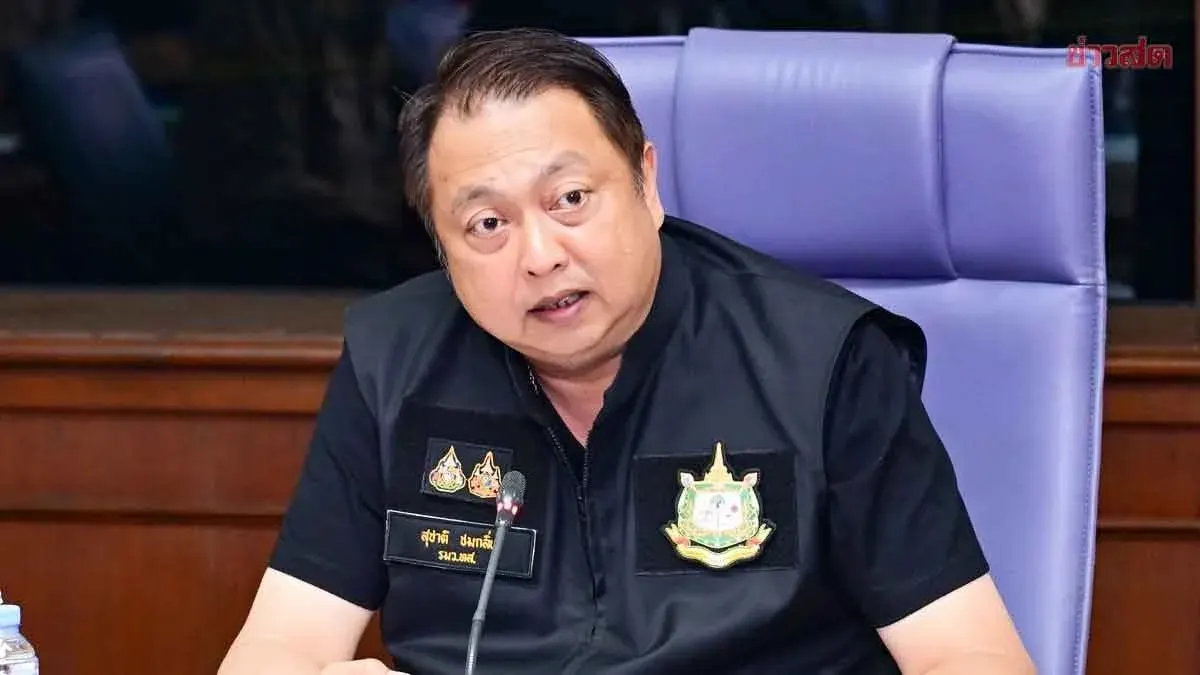
On 21 September, Korn Chatikavanij, a Democrat Party list MP and deputy party leader, posted on Facebook to respond to the Prime Minister's office rejecting a proposal to redirect Thai Help Thai Plus funds towards fuel subsidies. The office had expressed concern that such a move would not help all groups equally. Korn argues this represents a fundamental misunderstanding of Thailand's economic structure.
Diesel is not merely fuel for car drivers, Korn explains, but the lifeblood of the entire economy. Trucks carrying vegetables and pork to markets, buses, vans, fishing boats, tractors, and combine harvesters all run on diesel. Even people without vehicles pay diesel costs daily through food prices, transport fares, and shipping charges. By contrast, Thai Help Thai Plus only assists programme participants and only while funds remain available. Once the money runs out, prices stay high and businesses see no reduction in operating costs.
Korn notes he is not alone in this thinking. South Korea cut diesel tax by 25%, more than the 15% cut to petrol, and has extended the measure through November. The country's finance ministry cited diesel as essential to industry, transport, and people's livelihoods. Germany cut fuel taxes by roughly 17 cents per litre in May-June and recently agreed to further reductions.
"Both countries maintain targeted assistance for vulnerable groups, similar to our welfare card, which I support," Korn said. "But their governments have sacrificed budget to cut energy costs at the root. Cutting fuel tax reduces costs across the entire system, not just topping up certain groups. It helps everyone, doesn't increase debt, and addresses the real cause of the problem."