Doctor Settles Bathroom Hygiene Debate: Always Wash Your Hands
A urologist debunks common bathroom hygiene myths, explaining that invisible microbes from the genital area, underwear, and toilet aerosols can contaminate hands and spread disease, making post-bathroom hand washing essential.
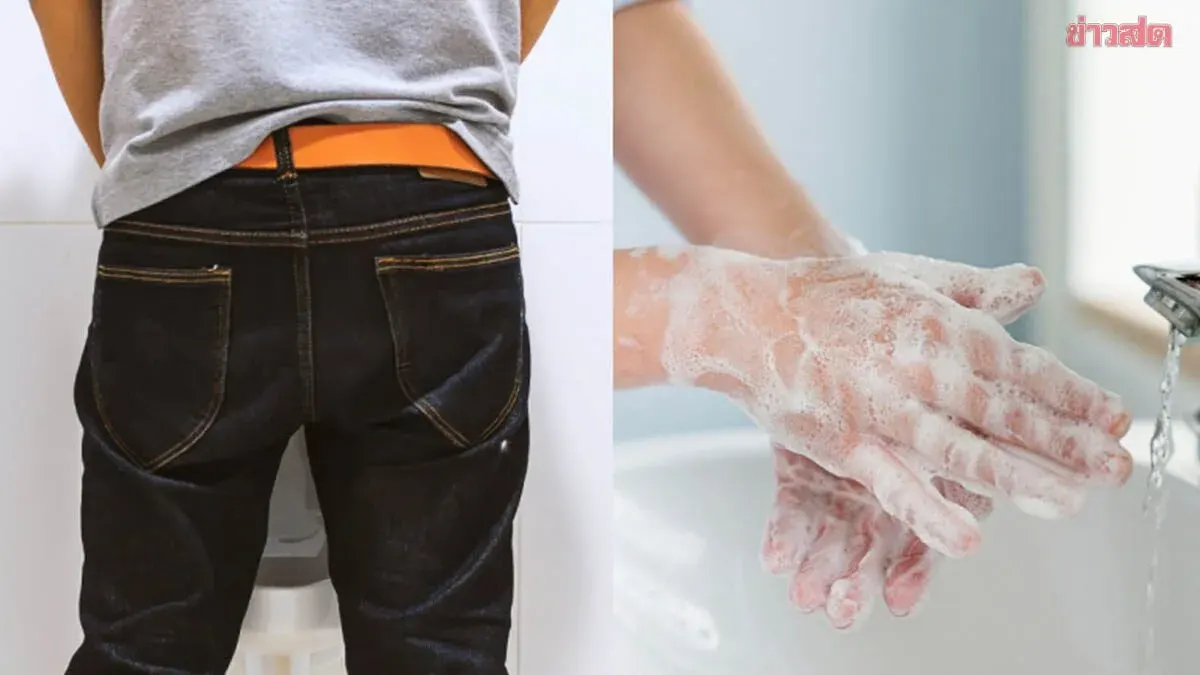
An online debate has intensified over the question of whether hand washing is necessary after urination, with many internet users claiming that genitals are cleaned daily and are therefore cleaner than hands, or arguing that since they don't touch the toilet seat or door handle directly, there's no need to wash their hands. Dr. Chen Wei-hsin, a urologist specializing in the urinary system, counters that these arguments overlook the transmission of invisible microorganisms and has identified three key health risks that many people commonly neglect, reiterating that hands should always be washed after using the bathroom.
Dr. Chen Wei-hsin shared educational information through his clinic's social media page, explaining misconceptions about bathroom hygiene and highlighting three critical risks:
1. The genital area is a reservoir for microbes. The doctor explains that the perineal area and male scrotum have numerous sweat glands and are poorly ventilated, making them prone to accumulation of sweat and oils. The warm, humid environment creates an ideal breeding ground for bacteria and fungi. Even daily bathing cannot eliminate all secretions and microorganisms, so when handling genitals to urinate or wiping the urethral opening, hands inevitably contact numerous skin cells and bacteria without realizing it.
2. Microbes lingering on underwear. "Washing underwear does not always mean it's completely clean," Dr. Chen notes, citing data from American microbiologist Charles Gerba, which indicates that used underwear may retain an average of 0.1 grams of fecal matter. The doctor emphasizes that the point is not to create fear but to warn that underwear regularly contacts intestinal bacteria, skin microbes, and secretions. Although they may appear clean on the outside, this doesn't mean they're completely free of pathogens. If family members have diarrhea, gastrointestinal infections, or reproductive tract infections, underwear and towels should be washed and completely dried, and hands should always be washed after handling soiled laundry. He also recommends changing underwear every 3-6 months or immediately if the fabric becomes yellowed, discolored, or stiff.
3. Airborne microbes in the bathroom. Beyond bodily microbes, the bathroom environment is another critical factor. The doctor explains that each flush generates a phenomenon called toilet plume, which can disperse bacteria and small particles contaminated with urine or feces into the air before settling on the flush button, door knobs, and users' hands.
Four recommended ways to reduce bathroom health risks:
1. Wash hands both before and after using the bathroom. Since hands contact phones, door knobs, and various objects throughout the day, washing hands before using the bathroom reduces the chance of introducing microbes to the urethral tissue, while washing after removes any microbes acquired during elimination.
2. Avoid aerosol exposure when flushing. Always close the toilet lid before flushing to reduce the spread of pathogens such as norovirus and enterovirus. If using a squat toilet, step back at least 1 meter after flushing to minimize exposure to aerosols.
3. Minimize direct surface contact. Although the risk of infection from toilet seats is low, [content cuts off]