Does Shaving a Baby's Head Really Make Hair Thicker?
Shaving a baby's head doesn't make hair thicker or darker—it's an optical illusion caused by blunt-edged new growth, according to medical experts addressing this popular Thai tradition.
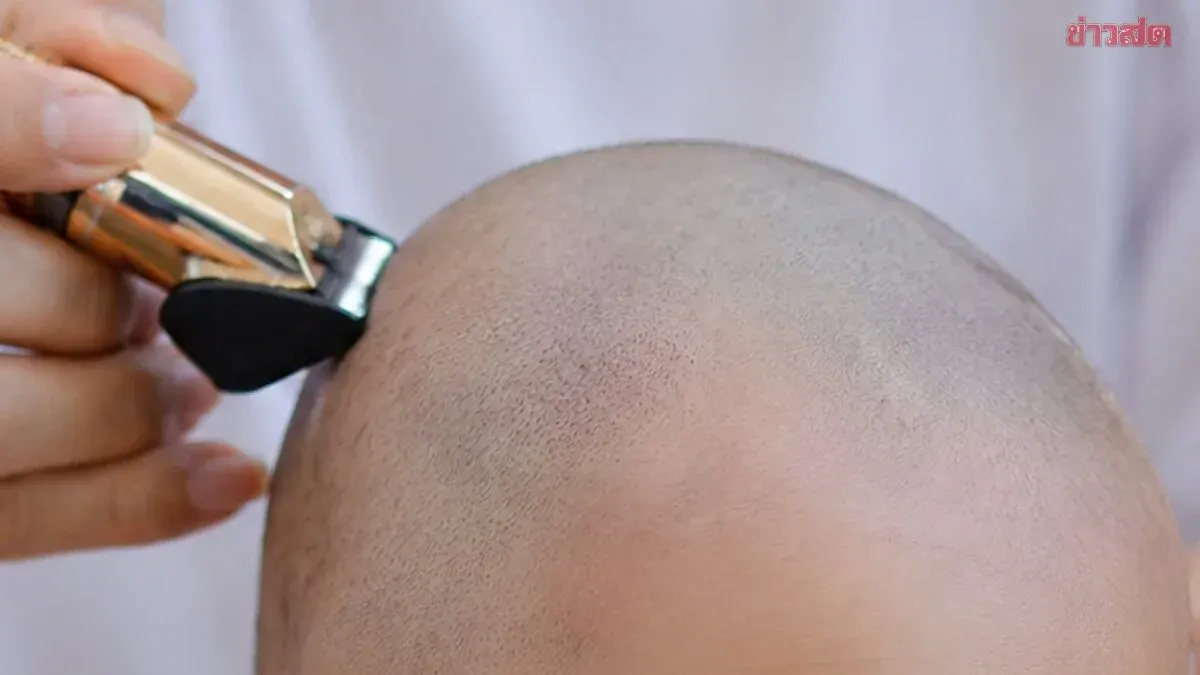
A popular parenting page called "Raising Kids the Doctor's Way" has addressed one of the most common questions new parents ask at health checkups: does shaving a baby's head during the one-month blessing ceremony actually make hair grow back thicker and darker? The answer from a medical and scientific perspective is no.
The one-month head-shaving ceremony, known as a month blessing or traditional hair-cutting ritual, is an ancient Thai custom where families gather to celebrate a newborn. While this tradition is valued for its cultural and family significance, the scientific facts tell a different story. Shaving only cuts hair above the scalp surface, but the structures that truly determine hair growth—hair follicles—lie deep beneath the skin. The number of follicles is fixed at birth and cannot be increased by cutting hair.
Hair thickness and color are determined by melanocyte cells in the hair matrix at the root, which produce melanin pigment. Whether hair grows dark, brown, or light depends entirely on genetics inherited from parents. What parents perceive as thicker hair after shaving is actually an optical illusion: a newborn's hair has fine, tapered tips, but after cutting, the new growth has blunt edges that feel coarser and look fuller—even though the hair shaft diameter remains identical.
The page also addresses the belief that babies become easier to care for after a head shaving. From a medical standpoint, a child's temperament depends on innate personality, developmental stage, nervous system, and parenting style—not haircuts. The page humorously suggests that if head-shaving truly improved behavior, hospitals would open dedicated hair-cutting clinics for difficult children.
Parents should also understand the natural phenomenon of hair loss at three to four months, called infantile telogen effluvium. During pregnancy, maternal hormones keep all of a baby's hair in a resting phase. After birth, when hormone levels drop, all the hair enters the shedding phase simultaneously and falls out around three to four months to make way for permanent hair. Some children experience significant hair loss until age one or two, while others may wait until age three to five before permanent hair fully grows in.