EC Official Seeks Supreme Court Review for Direct Graft Cases
Former Election Commission member Somchai Srisuthiyakorn and a group of reserve senators petitioned Thailand’s Supreme Court to overturn a previous Appeals Court ruling that blocks citizens from filing direct corruption complaints against the Election Commission. They argue the ruling forces complainants to go through the National Anti‑Corruption Commission and the Attorney General’s Office, a process that can exceed three years, and cite irregularities in the 2024 senatorial election as further justification. The senators urged the Supreme Court to review the decision and to investigate the former Appeals Court president for possible misconduct.
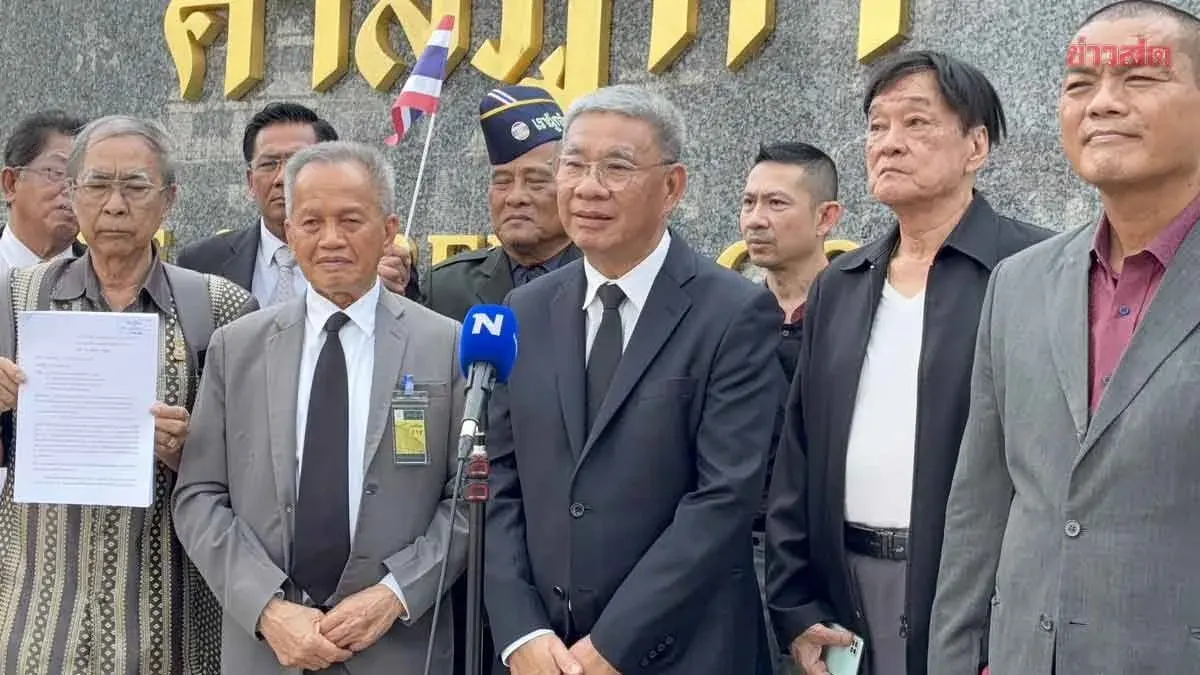
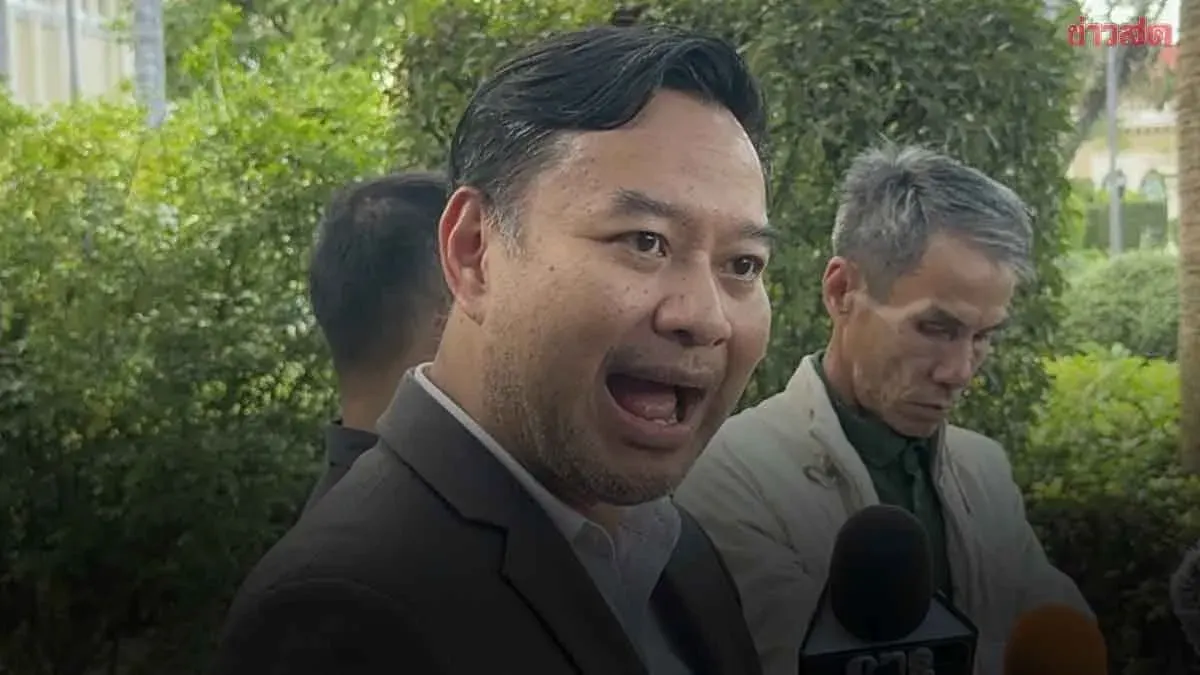
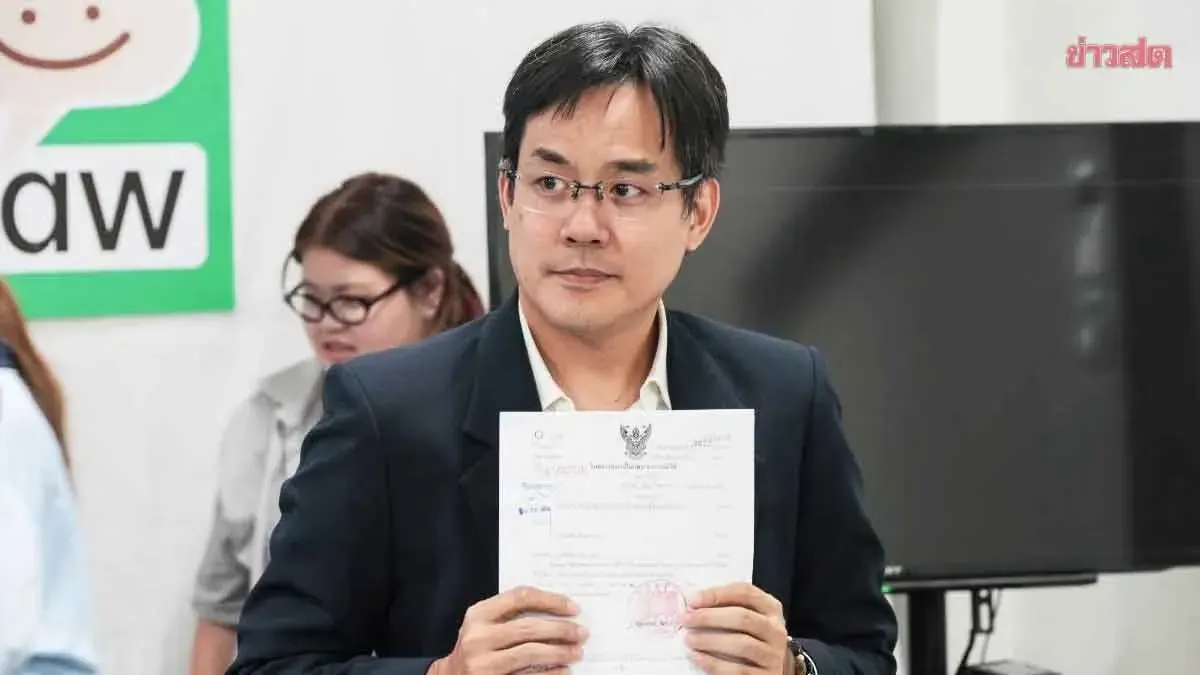
On October 8, 2026, former Election Commission member Somchai Srisuthiyakorn and a group of reserve senators went to the Supreme Court on Rachadamnoen Road to submit a letter to Supreme Court President Warawong Suwat, requesting that the full bench of the Supreme Court re‑examine a ruling by the former President of the Court of Appeals that limits the public’s right to sue the Election Commission directly in the Criminal Court for Corruption and Malfeasance. Somchai explained that the senators, who say they have been harmed by various Election Commission rulings in the senatorial 'hub' cases, believe citizens or victims should be able to file criminal corruption complaints directly with that court, rather than being forced to route complaints through the National Anti‑Corruption Commission and the Attorney General’s Office—a process that can take more than three years. He pointed out that the Appeals Court president’s ruling 12/2026 bars direct filings, whereas an earlier 2022 ruling had allowed two avenues for direct suits, and the two decisions conflict. He argued that now that the Supreme Court president has taken office, it is appropriate to ask the court to review the Appeals Court president’s decision and to bring today’s petition before the full Supreme Court bench. Reserve Senator Dirk Phrsema said that during the 2024 senatorial election they observed clear irregularities, especially block voting where the same numbers were used in sequence across groups, involving many people from various professions. He said the investigative subcommittee had prepared a spider‑web diagram showing the pattern, and that when they tried to file a complaint with the Corruption and Malfeasance Court they were told they must first go through the NACC and the Attorney General, but they were unsure how many years that would take, by which time the senators’ terms would have expired. He urged the Supreme Court president to place the matter before the full bench to reconsider the Appeals Court president’s ruling and to appoint a committee to investigate any possible misconduct or abuse of discretion by that official regarding the dismissal of direct‑suit petitions. Asked about the next steps, Somchai said the receiving office would forward the petition to the Supreme Court president, who would then decide whether to bring it before the full bench this month or next. He added that while the timing is up to the court, the country needs swift resolution of such problems, and relying on normal channels could take three to four years without result, as even simple matters have languished at the NACC for years. He concluded that filing the petition today is one avenue to seek redress and reiterated the request for an investigation of the former Appeals Court president.