Young Hospital Director Turns Loss Into Profit, Wins Award
Puea Noi Hospital in Khon Kaen transformed from a 5 million baht loss to over 20 million baht in revenue within three years under the leadership of 36-year-old director Dr. Phitthaphum Siriphapapradit. By focusing on proactive primary care, improving services, and adopting a business-unit management model, the hospital earned a Diamond-level Smart Hospital Award from the Ministry of Public Health. The turnaround was achieved without depending on donations.
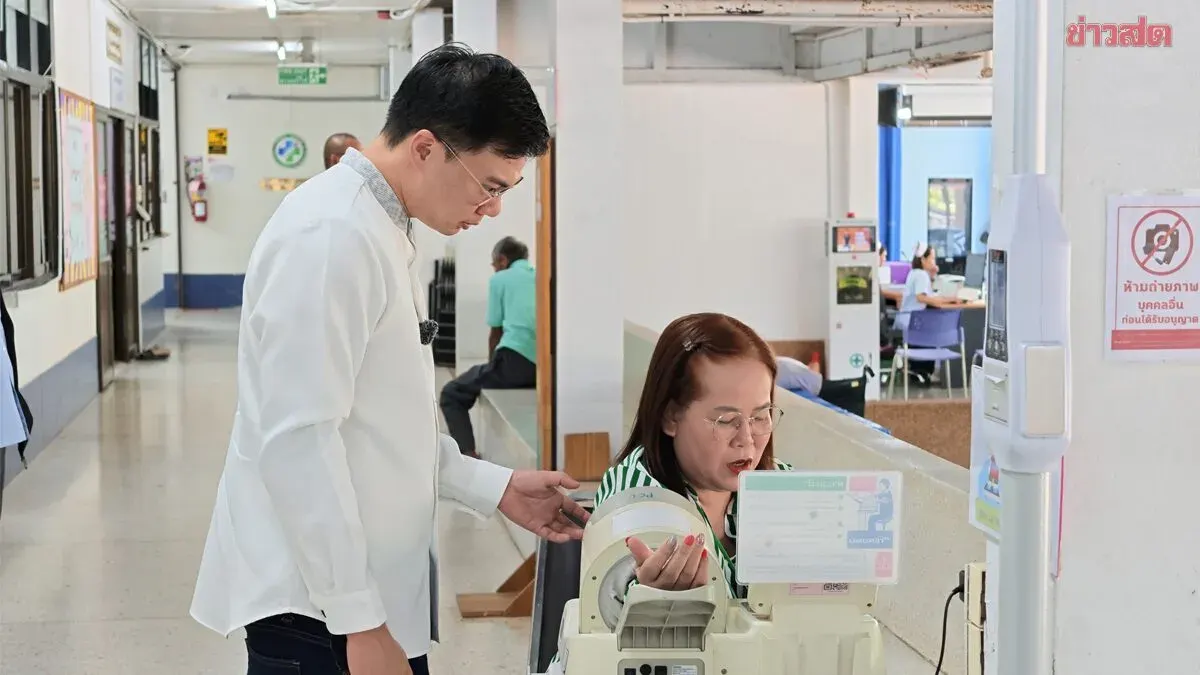
Within just three years, Puea Noi Hospital in Khon Kaen Province turned a 5 million baht deficit into over 20 million baht in revenue without relying on donations. The 36-year-old hospital director, Dr. Phitthaphum Siriphapapradit, shared his management approach that earned the facility a Diamond-level Smart Hospital Award from the Ministry of Public Health. On October 8, 2026, Dr. Phitthaphum toured the hospital’s service points and outlined the administrative changes implemented since he took office in late 2023.
Puea Noi Hospital is a small community hospital with 30 beds. Previously, its buildings and facilities were outdated and underdeveloped, and it faced an accumulated loss of about 5 million baht. After overhauling its management, services, indoor and outdoor environment, and staff capabilities, the hospital now generates over 20 million baht in revenue and received the Diamond-level Smart Hospital Award.
Dr. Phitthaphum explained that the hospital’s success stems from proactive primary care and leveraging the National Health Security Office’s budget for preventive services such as vaccinations, home visits, and health education. As preventive work expands, the hospital receives more funding, which becomes part of its revenue. Simultaneously, internal service standards were raised: reception staff are courteous and helpful, examinations meet standards, doctors follow protocols, medicines and equipment are sufficient, and appropriate technology and AI are introduced. When patients receive good care, they refer others, increasing patient volume and revenue.
He added that a focus on preventive care reduces illness and treatment needs, thereby lowering costs. For example, a diabetic patient requiring insulin injections may cost about 100,000 baht per year; preventing one such case saves that amount, and preventing ten cases saves roughly one million baht annually. Thus, the hospital’s goal is not to increase patient numbers for profit but to improve community health and quality of life.
The hospital also adopted a "business unit" management approach, where each department tracks its own costs, revenues, expenses, and resources. Unit heads plan for efficiency and sustainability, with administration providing support while teams take responsibility for their work. The physiotherapy unit has basic equipment such as shockwave and ultrasound devices, a fitness area for patients and staff, and plans to expand its space. Community physiotherapy includes home visits to help patients practice daily movements, with plans to add stroke rehabilitation equipment and collaborate with alternative medicine like acupuncture when appropriate. Additionally, the hospital runs an elderly clinic with memory assessment and stimulation tools, sends staff for specialized training, and offers traditional Thai medicine services.