Ex-Professor Accuses House Speaker of Violating Democratic Ethics
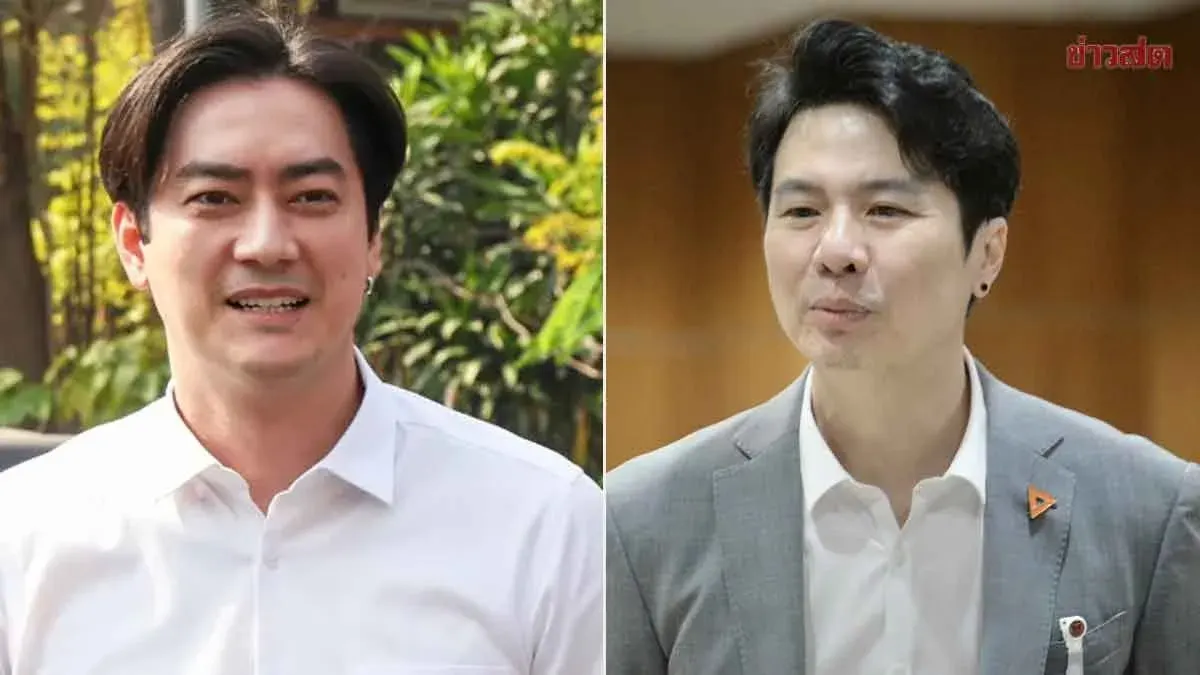
Former Chiang Mai University professor Arthit Sathianurak has accused House Speaker Sophon Saran of seriously violating democratic political ethics by obstructing accountability mechanisms. Arthit argues that democratic legitimacy requires power-holders to accept scrutiny and limitation, not just legal compliance, and warns that normalizing the refusal of oversight hollows out democracy from within.

Former Chiang Mai University history lecturer Arthit Sathianurak has strongly criticized House Speaker Sophon Saran for what he calls a severe breach of democratic political ethics. Speaking on November 5, 2026, Arthit addressed criticisms of Sophon's use of power, stating that the Speaker has participated in a serious violation of democratic political ethics.
Arthit explained that democratic political ethics do not simply mean politicians presenting themselves as "good people." Rather, they require those in power to accept that they can be examined, challenged, and have their authority limited. In other words, democratic ethics must mean accepting the legitimacy of those who disagree and accepting others' right to scrutinize one's power — because scrutiny is not an obstacle to the exercise of power but an essential condition that gives power its legitimacy.
He argued that if political institutions maintain all the forms and legal processes of a democratic system, but the mechanisms allowing power to be checked become harder to operate, this represents a transformation of democratic processes into tools that restrict democracy itself. Arthit stated that merely claiming legal correctness — exercising power through laws, regulations, or rules that grant authority — may sound reasonable, but democratic legitimacy has additional fundamental principles: power must preserve the basic foundations that allow democracy to survive, such as checks and balances, public accountability, and the right of the minority to scrutinize the majority. Therefore, an action may claim legal correctness but must also be judged on whether it aligns with the spirit of democracy.
Arthit said the House Speaker and Bhumjaithai Party members should understand that law defines the boundaries of power, but political ethics dictate how that power should be used. Transforming democratic processes into tools to restrict democracy, as they are doing, constitutes a grave violation of political ethics and simultaneously destroys the democratic ethics of political institutions — normalizing the refusal to accept democratic scrutiny.
He warned that the gravest concern is when refusing scrutiny becomes normalized, future power-holders may claim the same right to evade accountability until impunity becomes the baseline of the political system. This is an internal hollowing out and destruction of the democratic regime, because democracy can be destroyed not only by abolishing democratic institutions but by rendering them unable to function according to democracy's spirit. If Thai society is still valued, stop destroying the democratic regime any further.