Kaeng Krachan Park Opens New Wildlife Viewing Route
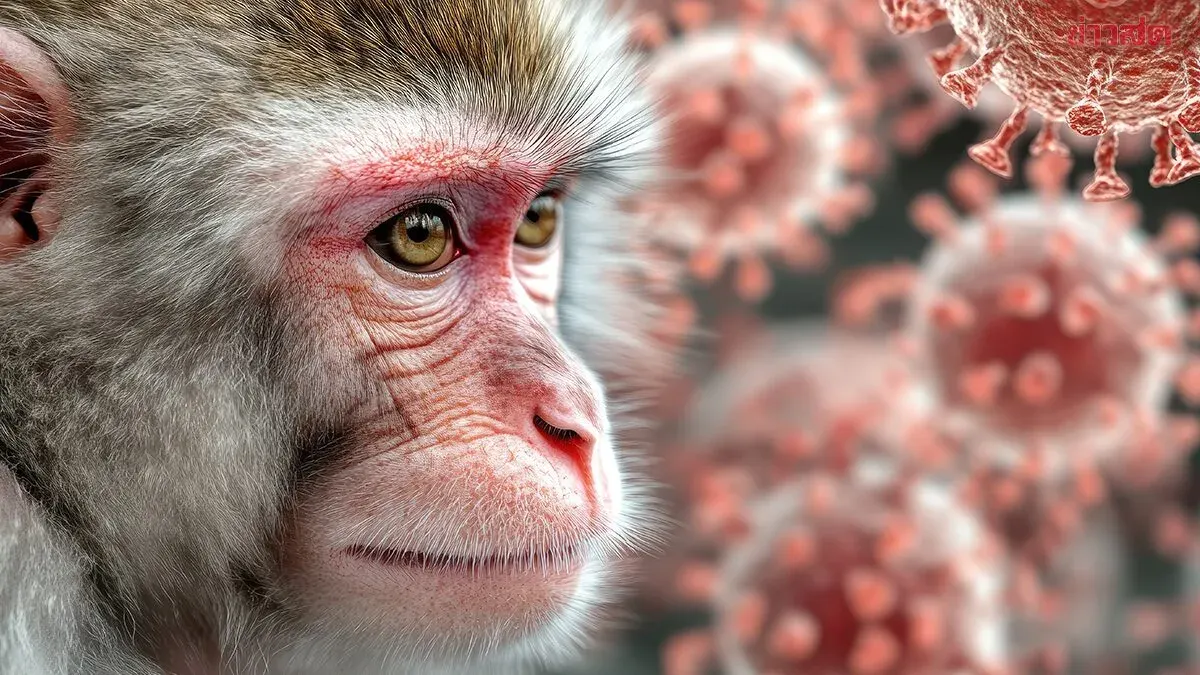
Kaeng Krachan National Park in Phetchaburi has launched a new guided wildlife viewing route at Huai Khom Krit Grassland, a biodiverse 20-kilometer trail from Ban Krang Camp. The pilot project operates two daily sessions with a maximum of 16 visitors per round, requiring advance registration and park ranger escort to minimize ecological impact. Officials aim to assess the area's carrying capacity and develop sustainable ecotourism models that balance conservation with public access.
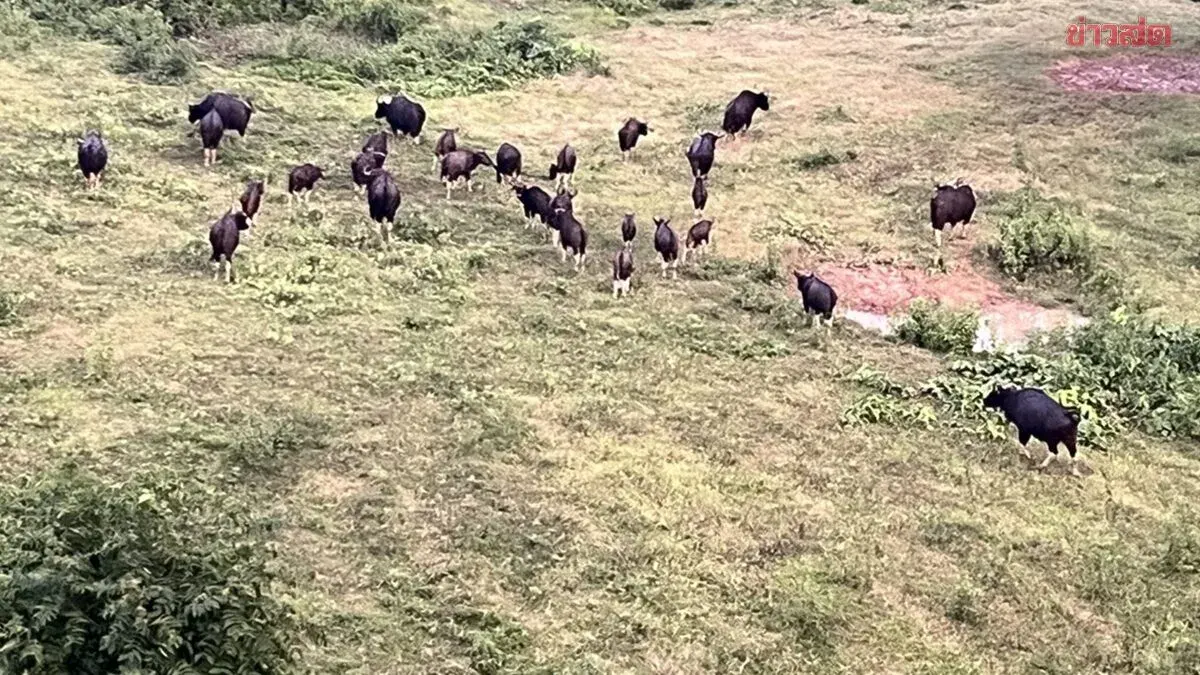
Kaeng Krachan National Park has opened the Huai Khom Krit Grassland wildlife viewing route, an area of high biodiversity, to promote sustainable conservation tourism. On November 5, 2026, Mr. Mongkol Chaiphakdee, Chief of Kaeng Krachan National Park in Phetchaburi Province, announced that the park has launched a pilot project for wildlife tourism in the Huai Khom Krit grassland area starting November 1, 2026. This provides opportunities for tourists and interested parties to closely and safely experience the natural way of life of various wildlife species. Visitor numbers are limited per day and advance registration is required at the Ban Krang Camp visitor center only.
Mr. Mongkol stated that the route from Ban Krang Camp to Huai Khom Krit Grassland covers approximately 20 kilometers. This area has high biodiversity and is an important habitat for diverse wildlife. The pilot project aims to assess the area's carrying capacity while managing tourism without affecting natural wildlife behavior and the surrounding ecosystem. The park has implemented strict safety measures by limiting vehicles and visitors per round, operating only two sessions daily: morning from 5:00-8:00 AM and afternoon from 3:00-5:00 PM. Each session allows only two official vehicles carrying a maximum of 16 tourists per round to minimize disturbance and ensure ranger supervision throughout the route.
For participation, interested tourists can register in person at the Ban Krang Camp visitor center. Travel on this route must be under the control and supervision of Kaeng Krachan National Park officials only; private vehicles are strictly prohibited in the project area.
The park stated that this research pilot is expected to gather important data for developing future ecotourism management approaches while fostering public awareness of natural resource and environmental conservation. The park will use the study results to improve measures for sustainable coexistence of tourism and wildlife conservation.