Five Foods Not Safe in the Fridge Beyond One Week
Refrigerated foods stored beyond one week risk dangerous bacterial growth and aflatoxin, a heat-resistant carcinogen linked to liver cancer. Pickled vegetables, leafy greens, tropical fruits, and noodles are particularly vulnerable to mold
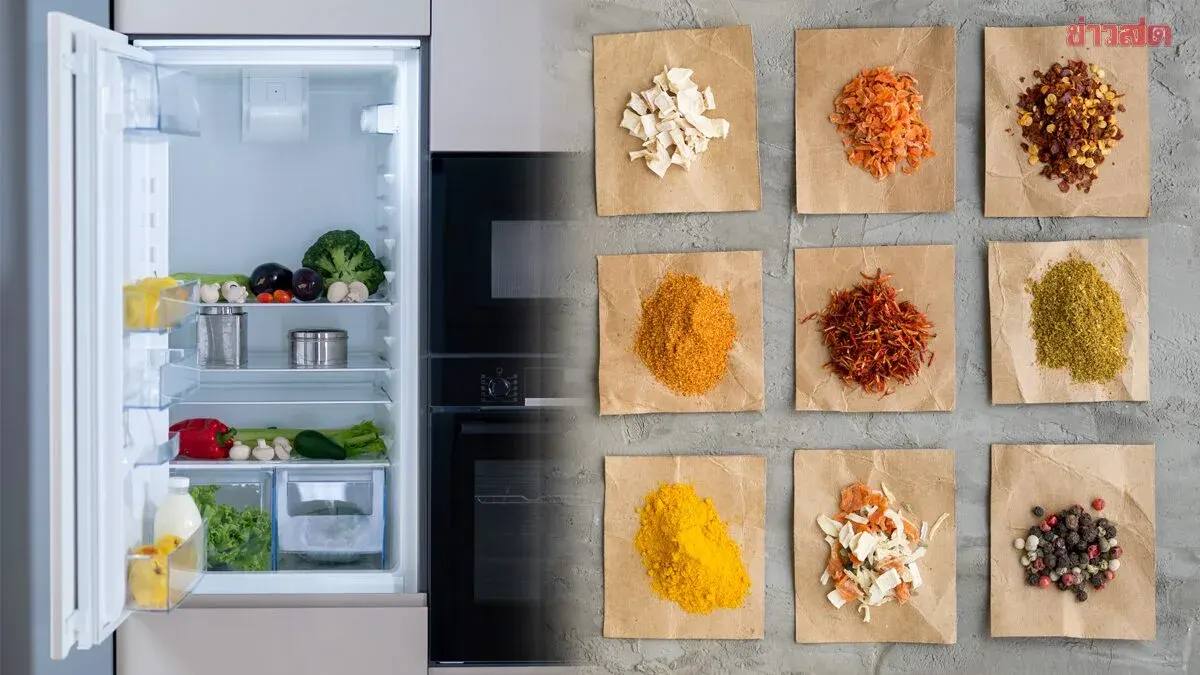
Although refrigerators help preserve food and add convenience to daily life, storing both raw and cooked foods together for more than seven days risks bacterial contamination and the development of aflatoxin—a toxic mold-derived substance that damages health. Aflatoxin, produced naturally by Aspergillus flavus and Aspergillus parasiticus molds, is classified by the WHO as a Group 1 carcinogen with clear evidence of causing cancer in humans. The toxin is heat-resistant and survives cooking at around 100 degrees Celsius, directly attacking liver cells and potentially leading to cirrhosis, acute liver failure, and significantly increased liver cancer risk. The humid, poorly ventilated environment inside refrigerators actually promotes mold growth in stored food.
Five high-risk foods include pickled vegetables, which accumulate nitrite over time—converting to the carcinogenic nitrosamine—and are further threatened by mold-induced aflatoxin. Leafy greens like kale, water spinach, and lettuce bruise easily and deteriorate within days at low temperatures as natural enzymes and microorganisms break them down, potentially producing harmful substances. Tropical fruits such as bananas, mangoes, papayas, and dragon fruit lose their quality and flavor when stored too long, darkening and softening, making them vulnerable to mold penetration and aflatoxin formation. Noodles and rice noodles also present risks when refrigerated extended periods. Nutrition experts recommend buying leafy greens in appropriate quantities and consuming them within one or two days, stored in a dry place away from direct sunlight rather than prolonged refrigeration.