Former MP Exposes Toxic Waste Dumping Network in Rayong
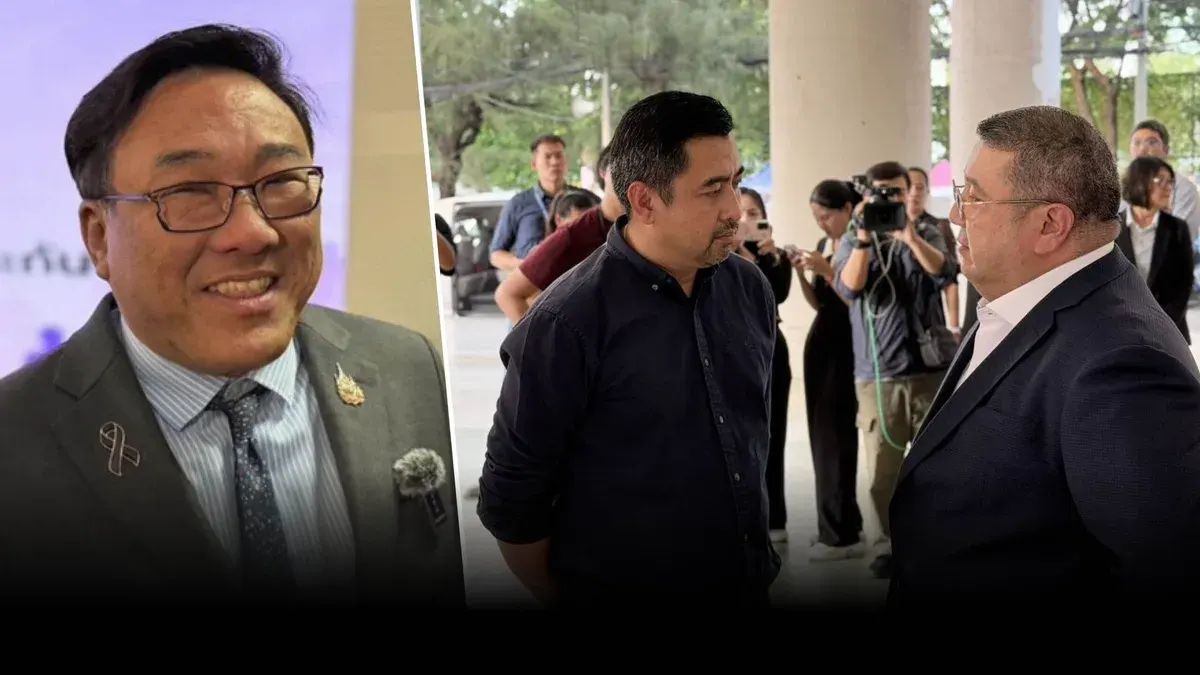
Former Rayong MP Chutiphong Phiphopphinyo exposes a systemic network allowing massive toxic waste dumping across Thailand, detailing how waste moves from factories to illegal burial sites with apparent complicity from local politicians, mafia, and silent regulators. He cites a Rayong factory case where the owner was jailed but contamination persists, urging the Industry and Interior Ministers to enforce existing laws and restore public trust.
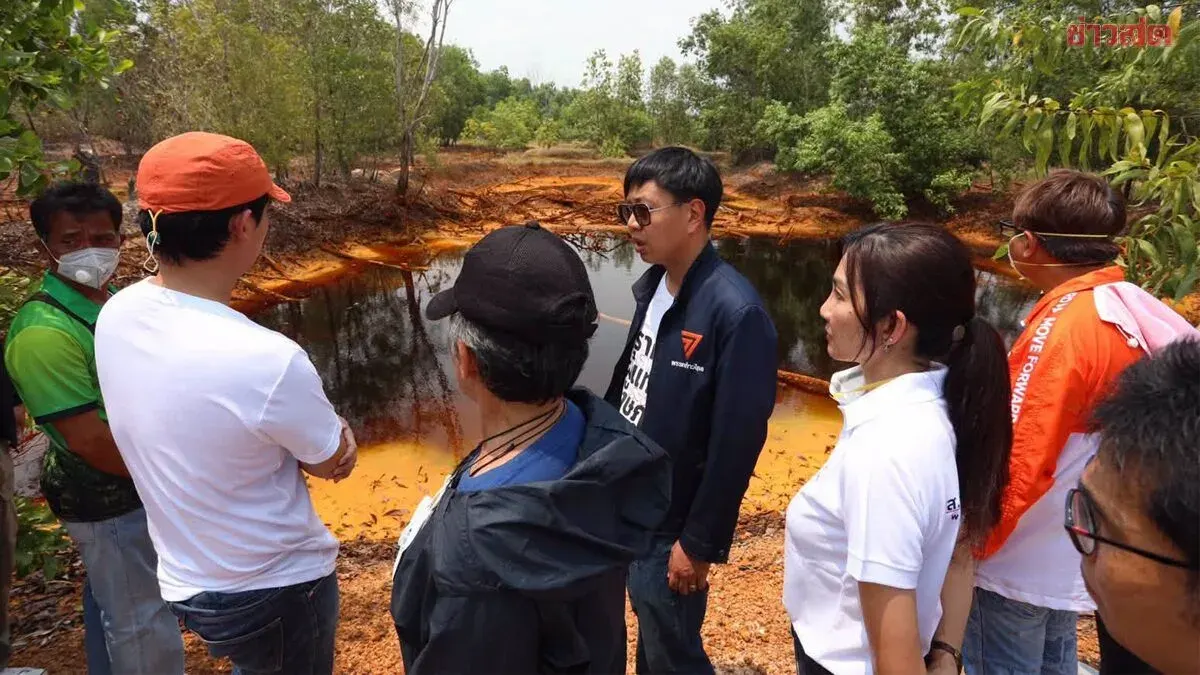
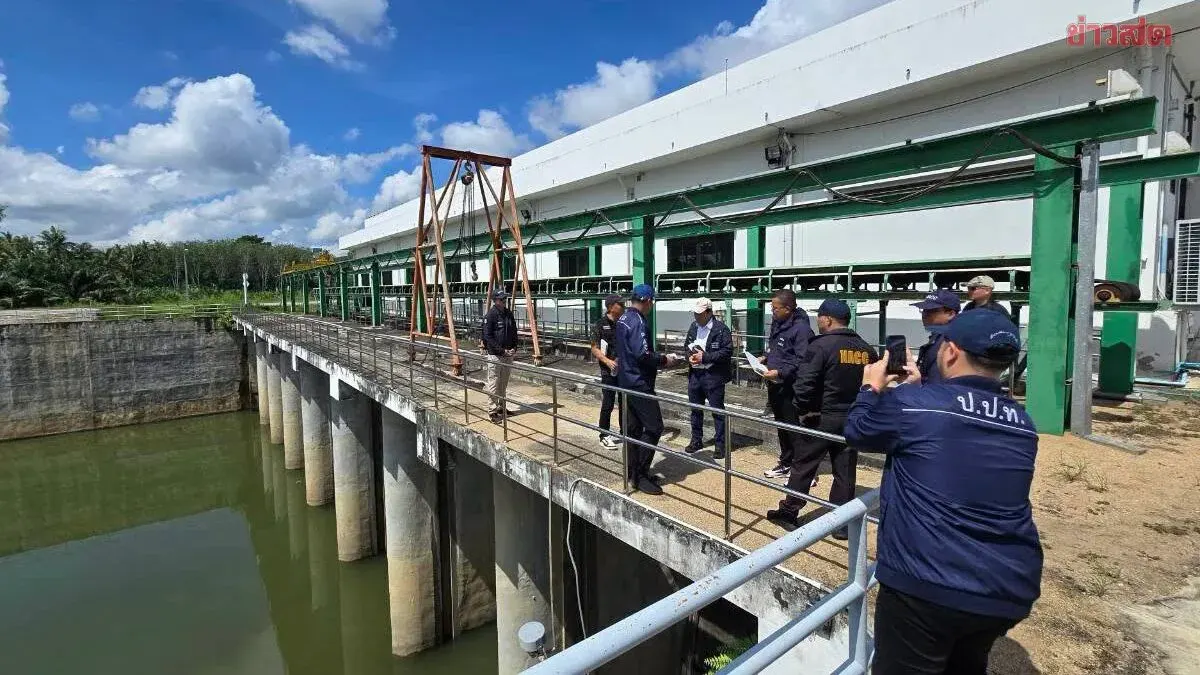
Former Rayong MP Chutiphong Phiphopphinyo of the Pheu Thai Party posted on his personal Facebook page under the headline "Where Does Toxic Waste Come From and How Does It End Up Under Our Land and Water? I'll Tell You." The post features a case study of the Win Process factory in Bang Butr subdistrict, Ban Khai district, Rayong province, which received a license under National Council for Peace and Order Order No. 5/2559 despite strong local opposition. The factory accepted industrial waste at low prices but failed to treat it, instead burying it until it became toxic. The owner was sued, arrested, and imprisoned, yet the pollution remains. Villagers from Nong Phawa and civil society, working with Chutiphong, pressured Prime Minister Natthaphon and the Department of Industrial Works to arrange waste removal, but the problem persists.
Chutiphong questions how such massive volumes of toxic waste move from origin through transport to disposal without anyone knowing. He outlines how a functioning rule-of-law system with no corruption would prevent this: the Ministry of Industry could enforce real-time tracking and inspections at the source; the Ministry of Transport and Ministry of Interior with highway police could catch illegal transport at weigh stations; local administrations (SAOs, municipalities) could enforce bylaws against illegal excavation and burial; and Customs under the Finance Ministry would block imported hazardous waste. Yet dumping continues because waste operators know "who to talk to" — especially where "area mafia" exist, allowing single-point clearance. Local politicians are warned off inspection sites. Excavators and ten-wheel trucks are readily available, often operated by outsiders. Other agencies stay silent, fearing connections to powerful politicians. Villagers become complicit as their land turns into dump sites, while beneficiaries buy local loyalty and install political allies to maintain the protection racket.
Chutiphong urges the Industry Minister to deploy proper waste treatment technology and reassure villagers, while the Interior Minister must order strict local enforcement against illegal excavation and burial.