Honoring Luang Por Sam, Revered Monk of Mae Nam Noi
Luang Por Sam Inthasuvanno, former abbot of Talad Mai Temple in Ang Thong Province, is honored on the 156th anniversary of his death this August 15. A respected scholar of traditional medicine and master of sacred amulet-making, his teachin
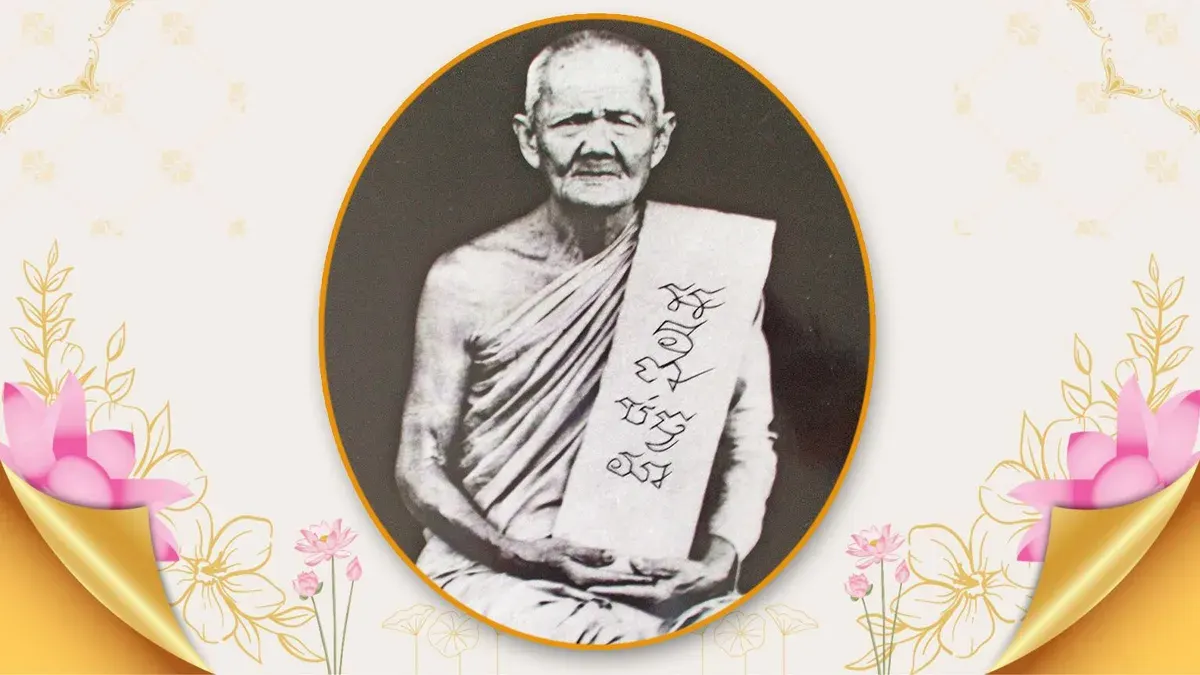
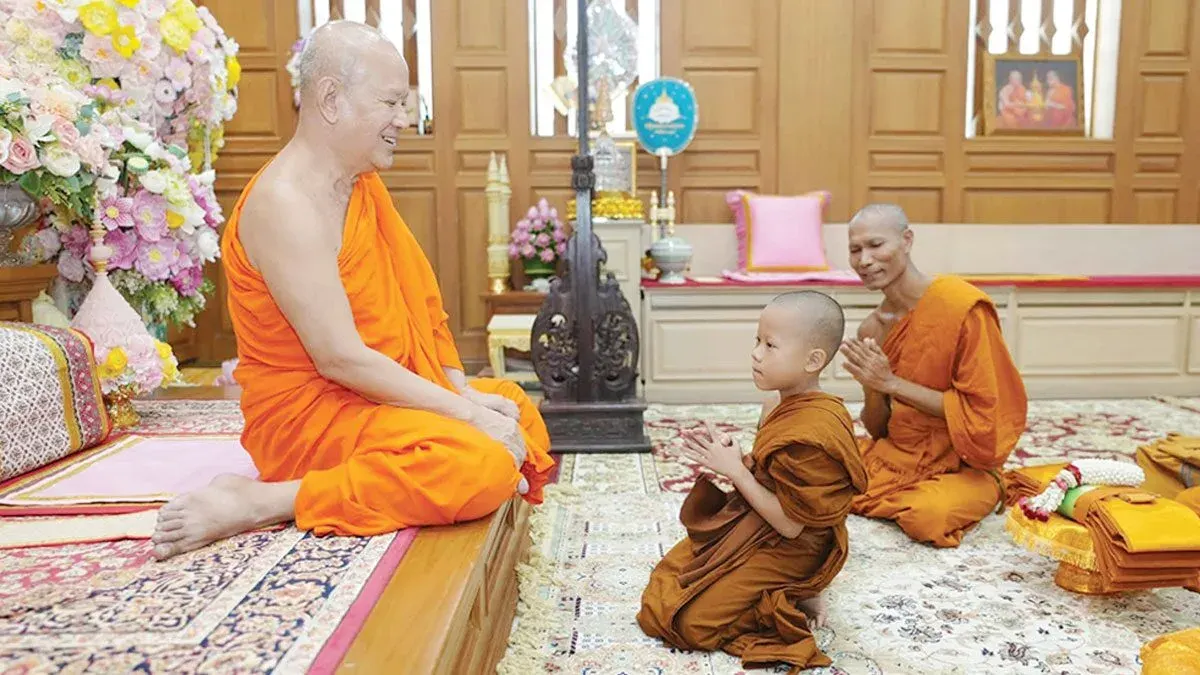
Saturday, August 15, 2026 marks the 156th death anniversary of Luang Por Sam Inthasuvanno, the former abbot of Talad Mai Temple in Wisetchai District, Ang Thong Province. A highly respected scholar of ancient medicine and keeper of sacred amulet-making traditions throughout the Mae Nam Noi basin, he was born on August 15, 1870 at Ban Lak Khon in Huay Khan Lhaen Subdistrict, the son of Jeen Seung and In Sae Lee. He took the surname Seesuwan and had three siblings.
During his youth, he studied at Talad Mai Temple and became literate. At age 24, he was ordained on July 15, 1895, with Phra Athikar Dee of Fang Temple serving as his preceptor. After spending only two rains-retreats at Talad Mai, he traveled to study Pali at Rakbang Kosit Aram Temple in Thonburi, then moved to Saroitong Temple in Bang Sue to pursue primary education, successfully completing three years of studies.
Phra Ajarn Prem, the head teacher at Saroitong Temple, recognized his diligence and appointed him as a teaching assistant. In 1900, he returned to Talad Mai Temple, concerned about the aging abbot Luang Por Kui. When his predecessor later transmitted ancient medical knowledge to him, he studied for three rains-retreats before Luang Por Kui passed away, after which he succeeded him as abbot.
As abbot, he began treating patients using the traditional medicine he had learned, earning wide renown for his healing success. However, when the Buddhist clergy issued orders forbidding monks from practicing as traditional doctors, and as he grew elderly, he ceased patient treatment. Yet villagers continued to seek his remedies; when he had no prepared medicine, he would write down formulas for them to purchase themselves. His compassion for his community was genuine, and to this day, traditional medicine shops still prepare remedies according to his teachings.
Beyond medicine, he created protective amulets—sacred objects that disciples kept as reminders. He crafted them every Sunday, Tuesday, and Saturday, pausing only on Buddhist holy days. The number created each day matched that day's numerical significance: six on Sunday, eight on Tuesday, ten on Saturday. The ritual involved a simple altar, placing cowrie shells on a tray with mercury and lead, invoking the Buddha and celestial and earthly deities for permission. He would chant incantations to transmute minerals, pour mercury into the amulet, seal it with lead, recite protective chants, cover it with aluminum foil, then meditate and consecrate it while simultaneously creating protective cloth talismans.
Today, Luang Por Sam's protective amulets have become increasingly rare and difficult to find. He was a celebrated teacher of Ang Thong, unmatched in esoteric knowledge, said to have attained high meditative states and to possess clairvoyant insight into future events. His direct disciples included Luang Por Kham of Pohplam Temple, Luang Por Thong Bai of Obthom Temple, Luang Por Mee of Muang Kan Temple, and Phra Somphun Pramesak, abbot of Talad Mai Temple.
Luang Por Sam began declining in health from his 93rd year. He passed away peacefully on January 15, 1966, at the age of 94, having served as abbot of Talad Mai Temple for 63 years.