Interior Minister Awaits Probe on Chiang Mai Solar Pricing
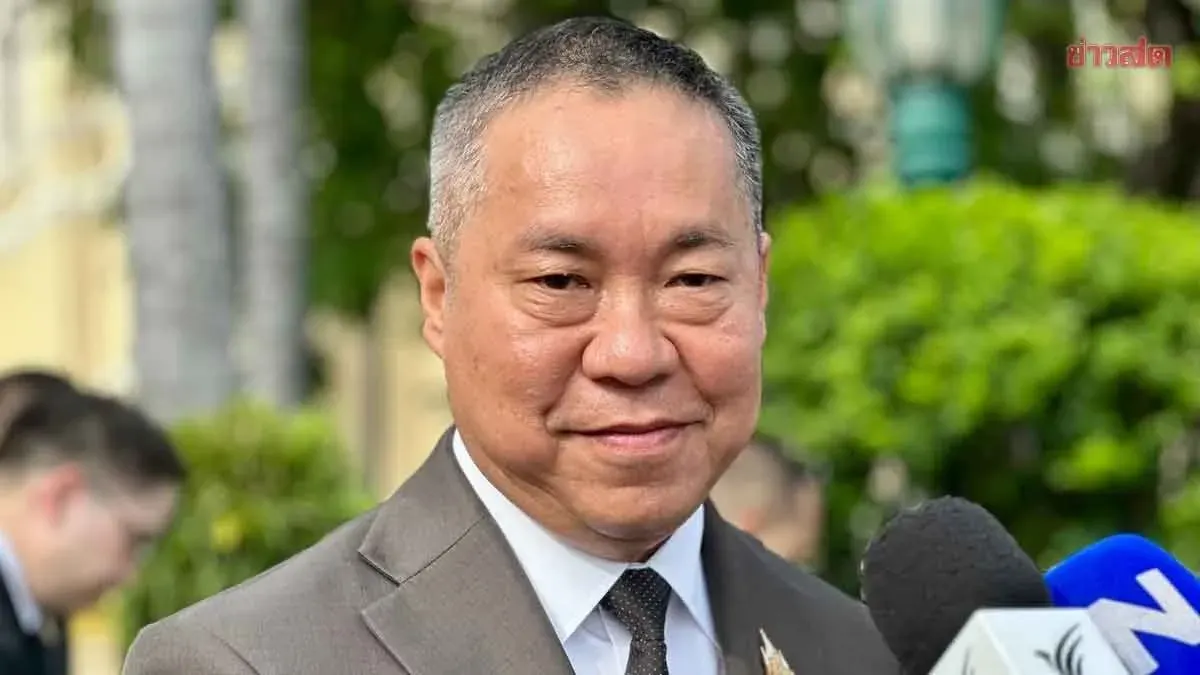
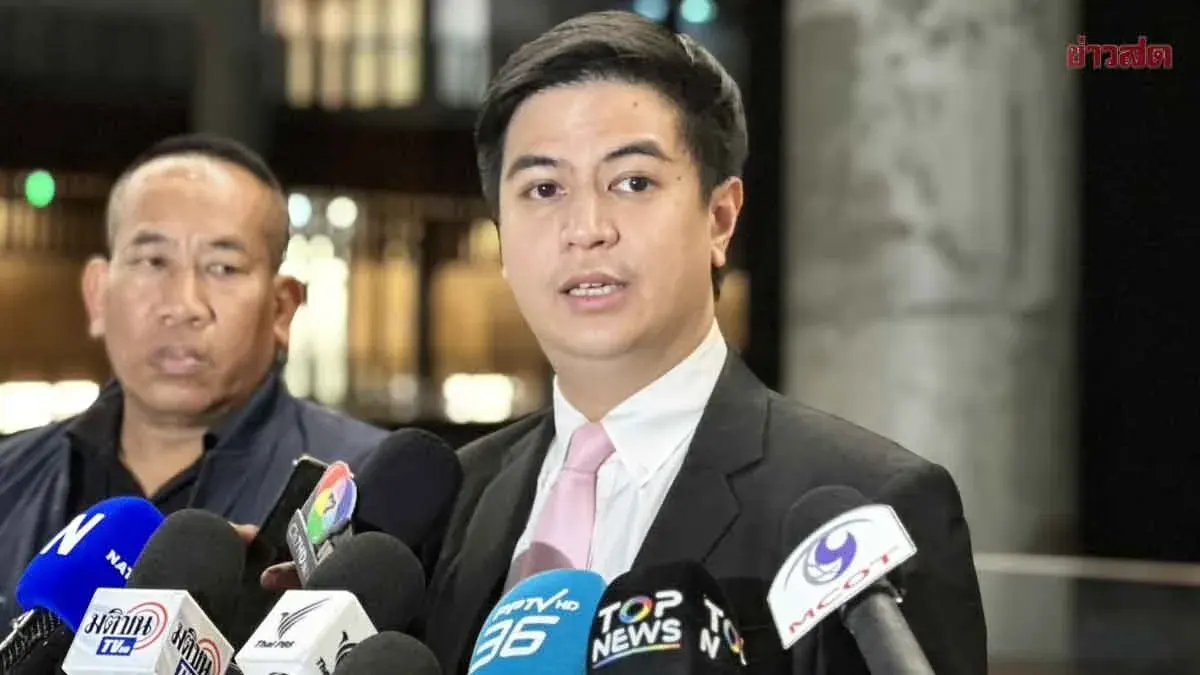
Interior Minister Phonphiphat Suwanchawi is awaiting an investigation into why a Chiang Mai solar project document quoted installation costs at 110,000 baht, below the government's 140,000 baht reference price. The Provincial Electricity Authority has formed a probe committee, with results expected within days. Phonphiphat insists the project is designed to help the public, not favor private firms, and that consumers are free to choose their service providers.
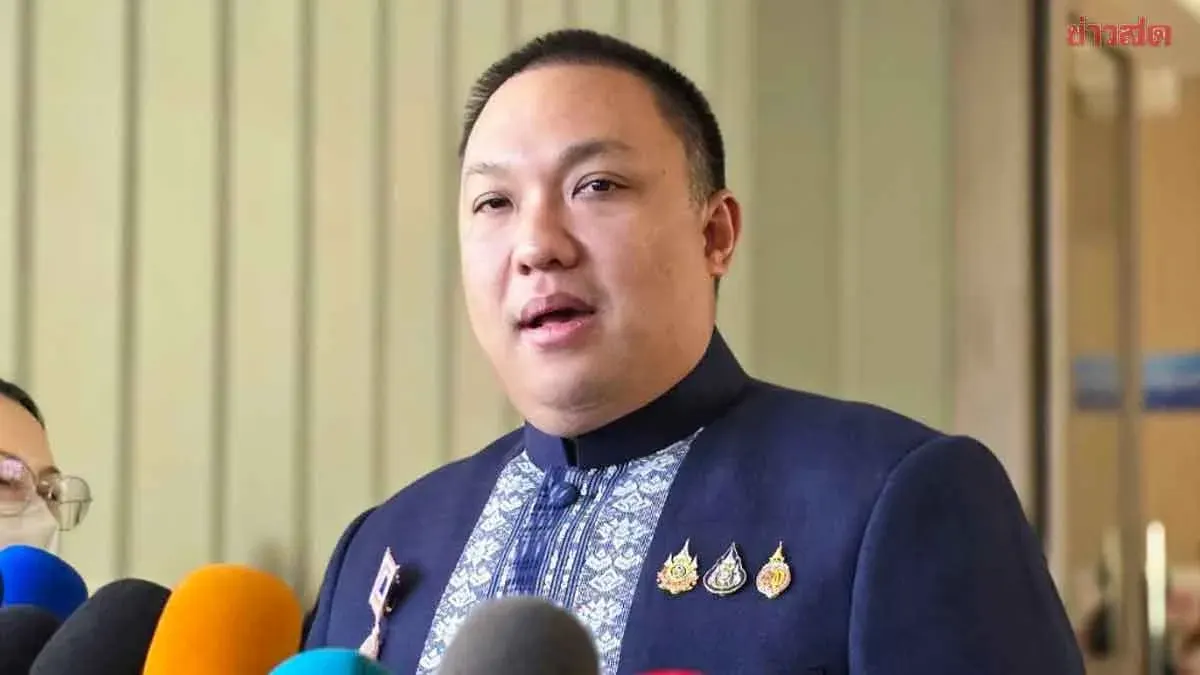
Interior Minister Phonphiphat Suwanchawi responded to opposition claims that the people's solar project in Chiang Mai involved "queue fees," stating he does not understand why the province listed installation costs at 110,000 baht when he and the Prime Minister have consistently cited 140,000 baht as the standard reference price. He explained that if operators sell at 110,000 or 120,000 baht, that is a market matter between them and consumers, while anyone charging above 140,000 baht risks losing customers. The document in question was an internal Chiang Mai branch paper not yet approved by central authorities and has been withdrawn. The Provincial Electricity Authority has formed an investigation committee, and Phonphiphat said he wants to know the basis for the 110,000 baht figure and will act according to the findings.
Phonphiphat likened the electricity sector to convenience stores and solar panels to consumer products, affirming there is no trade barrier or favoritism toward large firms. He said smaller companies capable of installing more than ten systems should complete ten first before taking on more, while firms able to handle 100 homes but refusing 1,000 are unfair to the public because timelines and maintenance become uncertain. He has ordered the electricity authority to assess each company's actual capacity.
Regarding concerns that security deposits disadvantage smaller firms, Phonphiphat noted Deputy Prime Minister and Finance Minister Pichai Chunhavajira has announced special low-interest loans for vendors. Any vendor can take on one job or ten; the system is not open then closed. All companies must market themselves to the public, as the electricity authority does not choose providers — consumers do. If a consumer asks for a choice, the authority will provide a list of vendors in that province.
Asked about consequences for those who leaked the document if wrongdoing is found, Phonphiphat said he wants to hear their reasons first, but if they committed offenses or colluded with northern vendors to fix prices, action will follow. On whether this constitutes corruption, he said he does not know yet and neither does the Provincial Electricity Authority governor; an investigation committee has been formed and results are expected within one to two days, certainly not more than seven to fifteen. He thanked those who scrutinized the project, noting media attention brought the issue to light. He also said any shareholdings in multiple companies will be checked for legality or nominee arrangements, but reiterated that the public ultimately chooses the service provider. Security deposits are beneficial because some people borrow money and pay interest for seven years, and the government wants to assure the public that solar installations are reliable.