Karen Weavers in Chiang Mai Sustain Natural Dye Tradition
The user wants a short summary of the article about Karen weavers in Chiang Mai sustaining natural dye traditions. Let me identify the key points: 1. Karen weavers in Ban Lai Kaew, Doi Tao, Chiang Mai preserve natural dye tradition 2. They
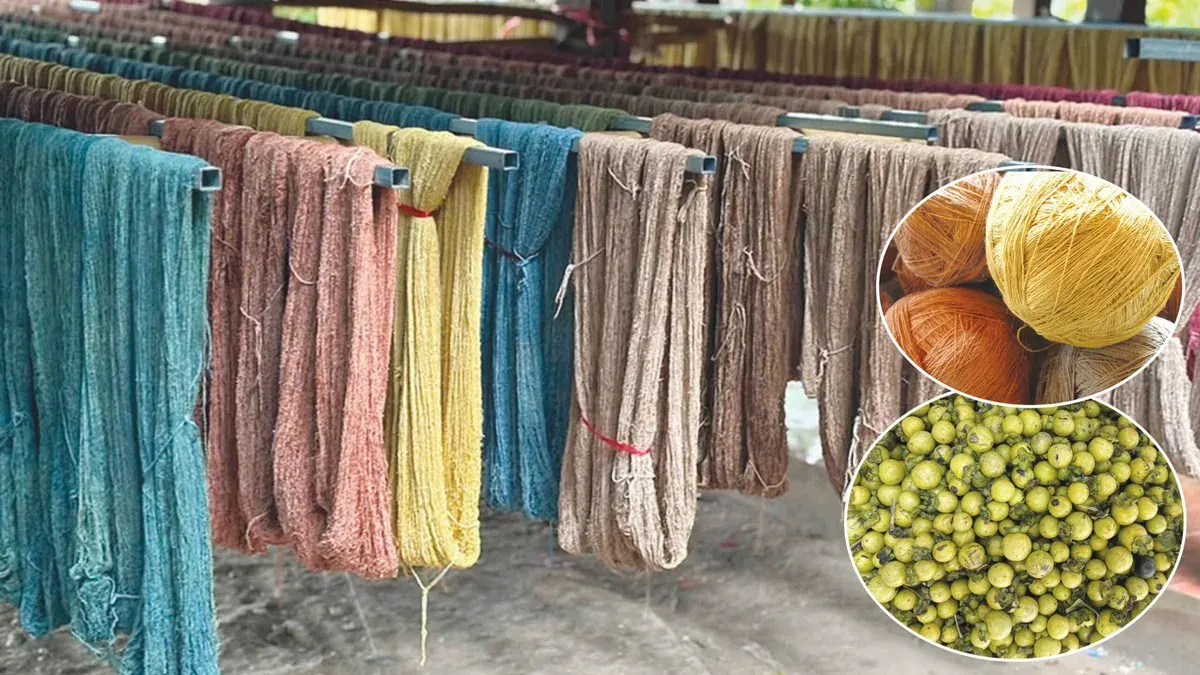
Before becoming the delicate, naturally colored fabrics that catch the eye, every cotton thread passes through a dyeing process using plants found nearby — a heritage of local wisdom handed down from ancestors and expanded through the observation, experimentation, and hands-on work of each new generation. Today, the colors produced in Ban Lai Kaew, Doi Tao, Chiang Mai, have become a preferred choice for young weavers.
Chanthip Pu-ped, known as Ja-ja, once a little girl weaving beside her mother, has grown into an adult who manages both the original Ban Lai Kaew weaving collective and the newer "Karen Weaving Doitao" brand. She says, "We preserve natural color in every piece we weave. As everyone knows, our colors are beautiful pastels — soft and true to nature. People recognize us by our distinctive palette; one glance and they know it comes from Ban Lai Kaew."
Ja-ja's parents inherited this knowledge from revered elder teachers in the community, some of whom have passed away while others are now too frail to continue. The couple mastered natural dyeing and, together with fellow dye artisans, pass the skill to children and youth in primary and secondary schools. The craft of natural dyeing continues to serve as the foundation for woven textiles that are both beautiful and uniquely their own.
Indigo comes from indigo leaves and hom; pink from salak roots; brown from pradu; black from maklua fruit; green from mango leaves; orange-red from kha-saet fruit. The trees and plants that yield these colors still stand around homes and in gardens and orchards, sustained by the ongoing practice of natural dyeing.
Today, Ja-ja's mother, Kanyarat Pu-ped, still delights in developing new shades from nature, while her father, Thui Janthakam Pu-ped, continues teaching the craft to children and youth of all ages — a beloved teacher across generations.
Freshly dyed yarn remains wet, its colors vivid and deep. Throughout every dyeing session, whether under sun or rain, Mother Kanyarat and weaving group members gather to dye cotton for distribution to the collective's artisans, who then transform it into their own creative works.
Maklua fruit yields black dye. While naturally dyed cotton may not retain its vibrancy as permanently as synthetic dyes, the community's skill and wisdom are what endure sustainably.
A spectrum of colors from nature. Discover the stories of handmade-value creators in the "Thung Saeng Tawan" series, spotlighting Doi Tao, available online via the "Thung Saeng Tawan" page and Payai TV — channels sharing stories from Thai communities every week. By Wasan Rongdech.