Karen Weavers of Baan Lai Kaew Preserve Heritage Through Cloth
Karen weavers at Baan Lai Kaew preserve their cultural heritage through textiles, where colors like red and yellow carry spiritual significance and document life stories from birth to death. The Pho Thong Karen Weaving Museum showcases how
It is heartening that someone has recorded the contemporary history of the community through textiles, helping to weave the cultural legacy of the people of Baan Lai Kaew so that it travels far and remains strong in today's world.
The cloths and textiles displayed at the Pho Thong Karen Weaving Museum in Baan Lai Kaew allow visitors to understand how a single piece of fabric embraces and documents people's stories from birth to final breath, connected to the way of life, culture, and beliefs at every stage—both in life and in death.
In the past, Karen villages were isolated and travel was difficult, so communities relied on themselves for everything. Most people spun cotton and wove their own cloth. The first piece everyone used was a blanket, a multipurpose textile. Beyond serving as a blanket, it became a cradle for infants, a carrier for children during field work, and ultimately a shroud for the deceased.
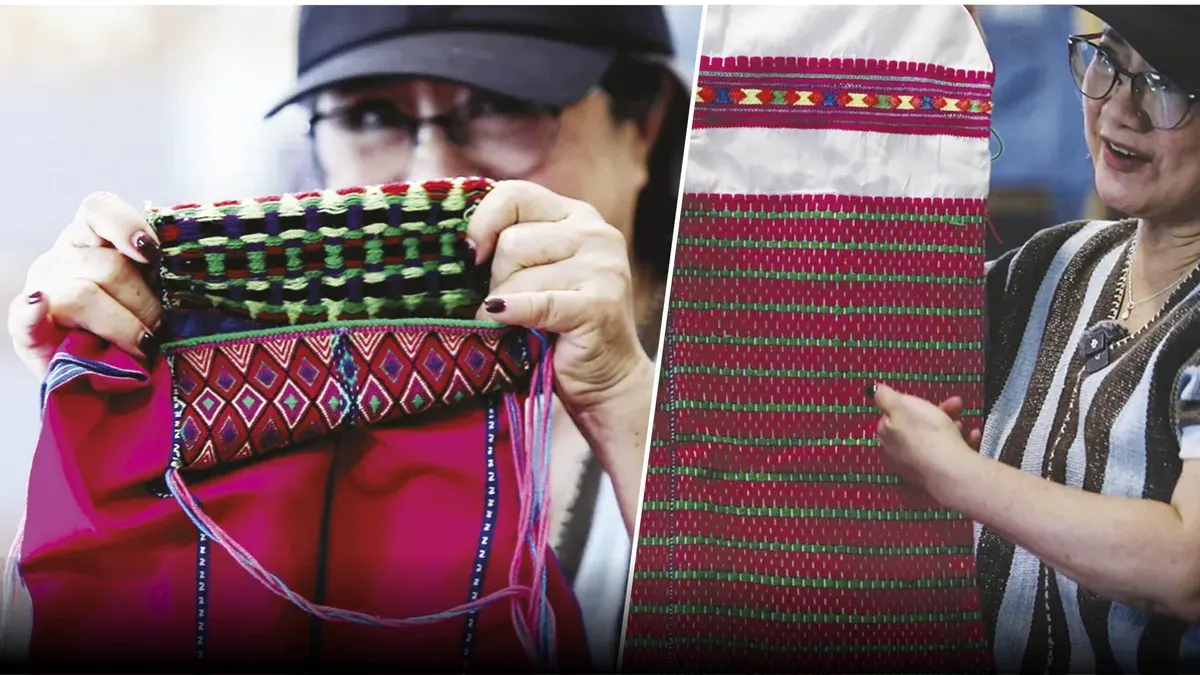
When examining Karen textiles, red stands out as the dominant color, appearing not only in blankets but also in shoulder cloths, girls' traditional garments, women's skirts, and men's shirts and robes.
Tui Jantham Poo Pet, director of the Pho Thong Karen Weaving Culture Learning Center, explains: "Colors have significance and meaning. Most of us Karen people wear red shoulder cloths and red shirts because red represents our blood. When you see a red shoulder cloth, you know it is a Karen person. Even the threads in our shirts must contain red. Besides red, another primary color is yellow, which represents coolness and protection—health and safety for those who wear it."
Tui also notes that everything woven—colors, components, patterns—is based on life beliefs. For example, beads decorating clothing are believed to protect people when entering forests and jungles, guarding against venomous creatures.
The red shoulder cloth worn by a young man on his wedding day carries special meaning as well. Tui explains: "On the wedding day, we wear the red shoulder cloth to tie our hands together. This cloth must contain a bottle of liquor, a blanket, and importantly, the spiritual guide—usually a parent—tells us that the red shoulder cloth is a purse of silver and gold, meant to hold good fortune and create wealth and abundance."
Whether clothing or personal items, the colors and patterns of Baan Lai Kaew remain worth learning. Karen villages, even those nearby, each have their own distinctive patterns. By preserving their unique identity, communities can pass down their original heritage and provide answers for future generations.
Tung Saeng Tawan invites exploration of Karen weaving traditions in Baan Lai Kaew village through their Facebook page and YouTube channel, Payai TV, sharing remarkable stories from this small village full of creative energy in Doi Tao District, Chiang Mai Province.