Karen Community Keeps Ancient Weaving Traditions Alive
Karen weavers in Baan Lai Kaew, Doi Tao district, maintain a centuries‑old tradition of hand‑woven textiles that convey identity, marital status and protection through distinctive patterns and colours. Elder Tuay Jan Kum Pu Ped explains that the village’s unique chicken‑wing and honey‑comb motifs, found only in Doi Tao and Hod, symbolise heritage and have endured despite modern influences. Today the traditional Chewa dress and Kayakang‑patterned garments serve both as cultural symbols and contemporary fashion, with their stories shared online via the Tung Saeng Tawan Facebook page and Payai TV.
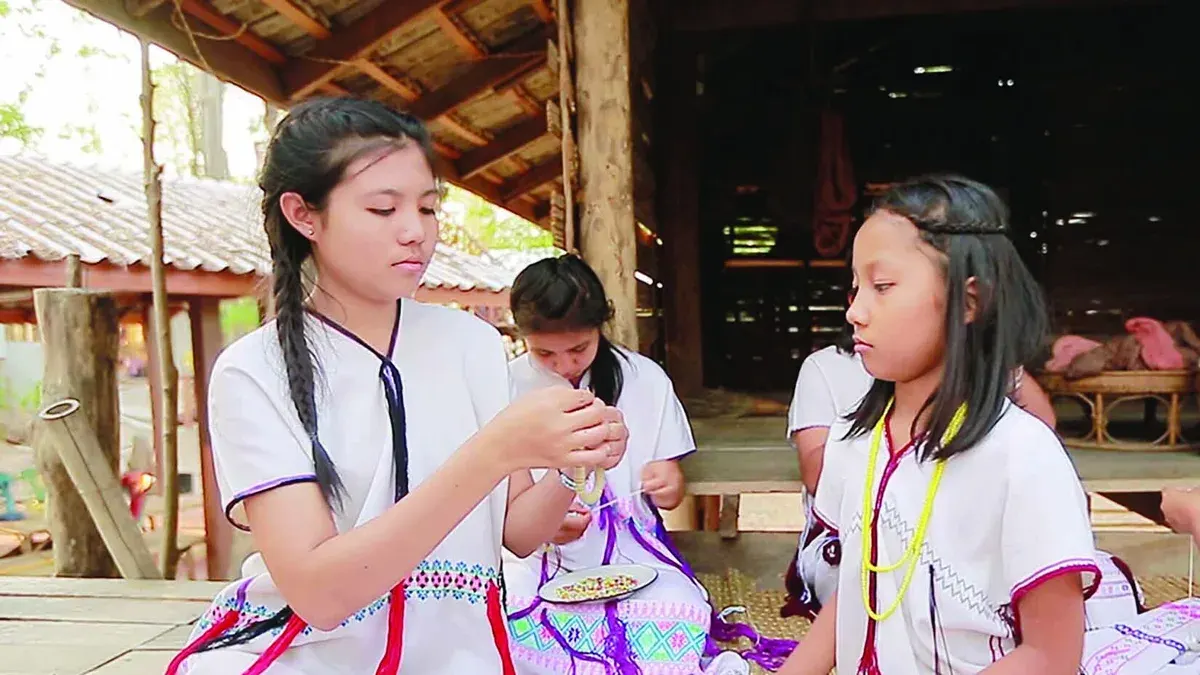
In the past, before chemical dyes arrived, Karen weavers used only natural off‑white and brown cotton, so the traditional Chewa dress was a plain white garment with thin stripes. The dress itself signaled identity: young girls wore a simple white Chewa with tiny patterns, while unmarried women wore a version with more elaborate designs, making it easy to distinguish a maiden from a girl. Once a woman married, she could no longer wear the old sack‑style dress; instead she put on a separate blouse and a sarong whose patterns are unique to Baan Lai Kaew and differ from those of other villages. The village’s textiles display a variety of intricate motifs, each worked with painstaking detail on both sides, from the weaving itself to the sewing of seams with even, tight stitches.
Tuay Jan Kum Pu Ped noted that the characteristic red and yellow colours of the Kayakang (or “wiggly”) pattern hold special meaning: red represents the Karen people’s identity, while yellow conveys coolness and safety from illness. Additional protective elements include small seed‑like beads sewn onto the fabric, believed to guard the wearer against venomous animals. He explained that the Kayakang or zig‑zag pattern is an ancient design that signals the village’s identity; unlike some settlements that fled rising waters when the Sirikit Dam was built, Baan Lai Kaew remained in place, so the pattern stays as a marker of their heritage.
Today the Chewa dress and the Kayakang‑patterned shirt have become fashionable items for young women, yet they continue to fulfil their original cultural role alongside modern wear. Stories about the Karen way of life are shared online through the “Tung Saeng Tawan” Facebook page and the Payai TV YouTube channel, allowing anyone to view the weaving traditions at any time.