Karen Weaving Group Shares Skills With Northern Communities
The Karen weaving group in Baan Lai Kaew, Doi Tao district, has grown from a few members to over a hundred, turning hand‑woven cotton into a main source of income for local families. Leaders Tuay Jantkam and Lea Kanlayarat share their knowledge of natural dyeing, design, and sewing with other communities, most recently at the Phufa Learn Center in Omkoi district. Their efforts aim to create new market‑friendly designs while preserving traditional craftsmanship.
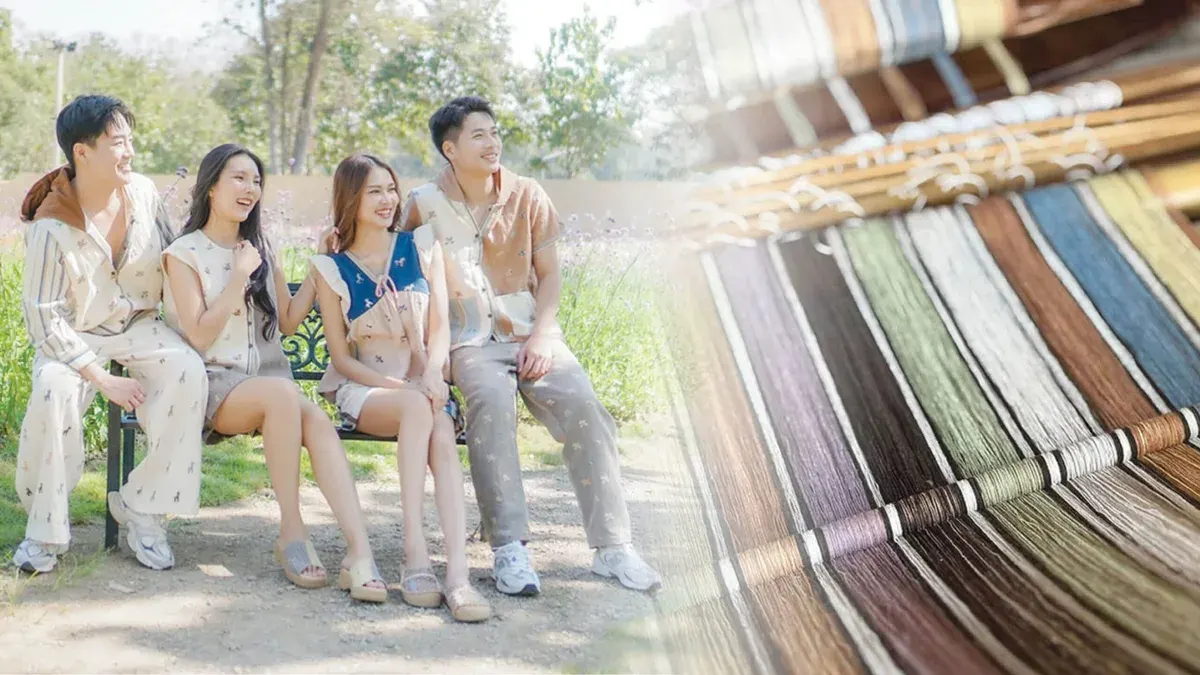
The Karen weaving group in Baan Lai Kaew began with just a handful of members and now counts over a hundred, transforming what was once a supplemental income into a main source of livelihood for many families. Their process starts with a single cotton seed sown at the start of the rainy season; after the plants flower and produce bolls, the fluffy cotton is collected, dried, loosened, spun into fine threads, and woven and sewn entirely by hand. Group founders Tuay Jantkam and his wife Lea Kanlayarat not only run the weaving collective but also travel to share their knowledge with other communities whenever opportunities arise, teaching natural dyeing, pattern techniques, design, and sewing. Tuay Jantkam said, "Sometimes we are not invited, but we go because we see that our Karen brothers and sisters have talent and valuable skills; we want to help turn that into income." Lea Kanlayarat added that when she first taught sewing, many villagers already had basic knowledge, but she helped organize their thoughts and refine certain techniques. Most recently, the pair shared their expertise at the Phufa Learn Center in Omkoi district, Chiang Mai, where despite the difficult mountain roads, both instructors and participants were eager to meet and exchange ideas. They explained that while traditional Karen clothing remains popular, the market has become saturated, so they introduce new designs and color schemes to keep the products fresh and market‑focused, with Lea concentrating on sewing and Tuay on color placement and pattern design. Other weaving groups in the network have also begun experimenting with new styles, trying fresh patterns and turning fabrics into bags or other items. Because everyone speaks the same language, understanding comes easily, and enthusiasm drives rapid learning, fostering new ideas and creativity beyond what existed before. The group’s work has also been promoted online through the "Tung Saeng Tawan" series and Payai TV, encouraging viewers to support handmade products from the villagers.