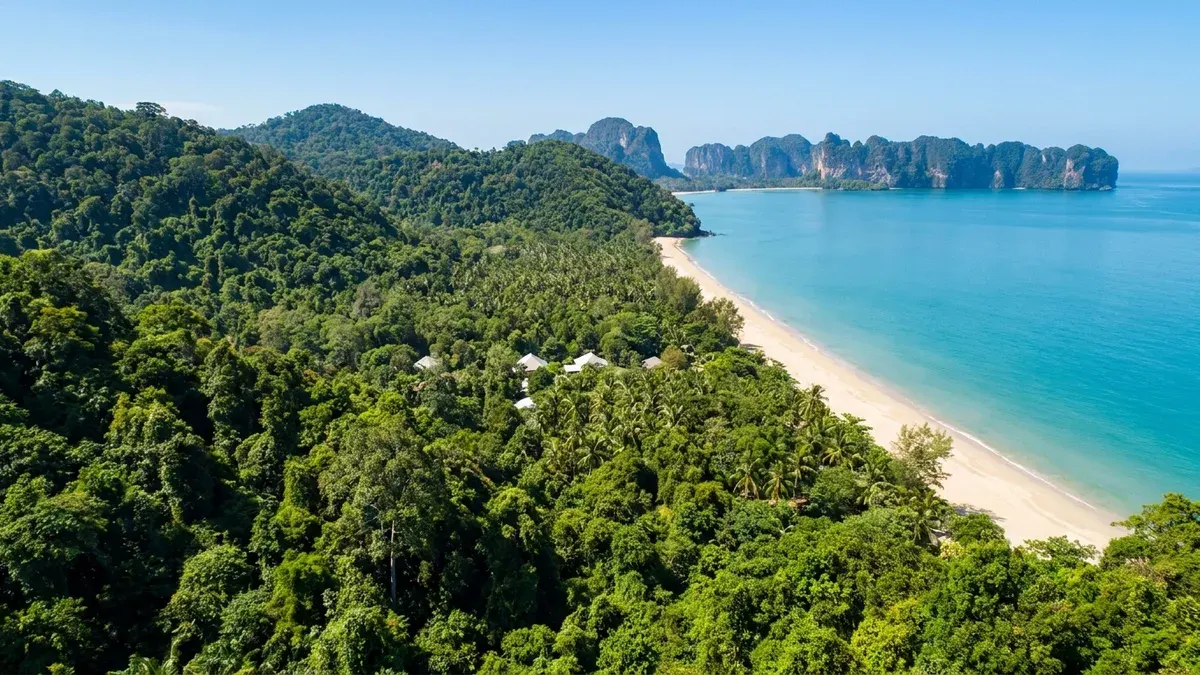
Koh Lanta is a Muslim island, and almost nobody tells visitors
The island's long-established population is mostly Muslim, which shapes Fridays, Ramadan, and what is open when. Here is what that actually means day to day, and where the population figures stop agreeing.
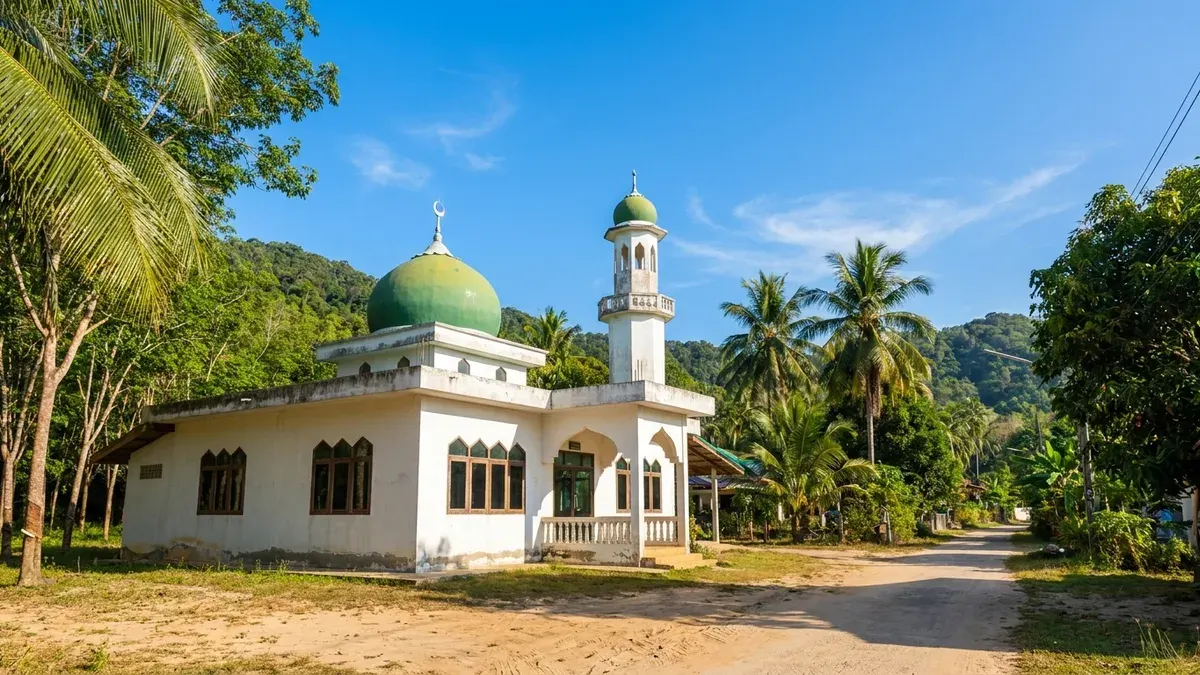
Photo: Illustration: Lanta News
Most people arrive on Koh Lanta having read a great deal about its beaches and almost nothing about the people who live on it. Then they notice the call to prayer drifting across the road at dawn, and realise they have not been told something fairly central.
The long-established population of this island is mostly Muslim. That is not a footnote about the interior somewhere. It is the island.
How many, honestly
Here the sources stop agreeing, so we will give you the range rather than pick the tidiest number.
Thailand's census counted 23,499 people in the Ko Lanta district in 2000 and 26,805 in 2010. Other accounts put the resident population around 30,000 to 34,000, which likely reflects registration data rather than a census. On the religious split, the figure most often repeated is that around 80 per cent of the island's long-settled population is Muslim.
We have not found an official religious breakdown for the district, so treat that 80 per cent as the widely-quoted estimate it is, not a government statistic. What is not in dispute is the direction: this is a Muslim-majority island in a Buddhist-majority country.
Three communities, not one
It is worth being precise, because guidebooks tend to blur this into a single "local" category.
The island's established population is usually described in three parts: Thai Muslims, whose families largely came from the Malay peninsula and Sumatra; Thai-Chinese families, who arrived on the nineteenth-century tin wave and built Old Town; and the Urak Lawoi, the sea people, who were here first and are a separate community with their own traditions.
They are not interchangeable, and the Urak Lawoi in particular are not simply "the Muslim locals" by another name.
What this means on an ordinary day
Very little, if you are on the beach strip. The west coast runs on tourism and behaves like it.
Inland and on the east side it is different, and the difference is mostly about attention rather than rules. Villages are quiet places where people live, not scenery. Covered shoulders and knees when you are away from the sand costs you nothing and is noticed. So is asking before photographing somebody, which is true everywhere and forgotten most places.
Friday midday prayers matter. There are several mosques across Lanta Yai and Lanta Noi, and if you happen to be driving through a village at that hour you will meet a lot of traffic on foot.
Alcohol is served widely on the tourist side and much less so away from it. Nobody will lecture you. It is simply not everywhere, and in some places it is nowhere.
Ramadan, which catches visitors out
This is the practical one, because it changes how the island works for a month and almost nobody warns you.
During Ramadan, Muslim residents fast from dawn to sunset. A number of local restaurants and shops close during daylight and open again in the evening. If you are staying outside the main tourist strip and wondering why nowhere is serving lunch, that is why.
The evenings are the opposite. Fast-breaking after sunset is social and generous, night markets appear, and the month ends with Eid, which is the biggest community celebration of the year.
Ramadan follows the lunar calendar, so it moves roughly eleven days earlier each year and its exact start depends on the sighting of the moon. That means a date printed in an old guidebook will be wrong. Check the year you are actually travelling.
The thing worth saying plainly
None of the above is a warning, and none of it requires anything difficult of a visitor. It is simply information that is oddly hard to find in English, on an island that hundreds of thousands of people visit.
You can spend a week here and never leave a beach that has been arranged for you. Or you can know whose island you are on.
We would like to improve this piece with first-hand voices rather than second-hand description. If you live here and we have got something wrong, or put it clumsily, please tell us and we will correct it.