Lawmaker Proposes 100 Billion Baht Civil Service Pension Fund Cut
A Thai lawmakers proposes cutting 100 billion baht from the civil service pension fund to free up budget space, citing underfunded pension obligations and recurring expenditure issues that consume over 73% of the annual budget.

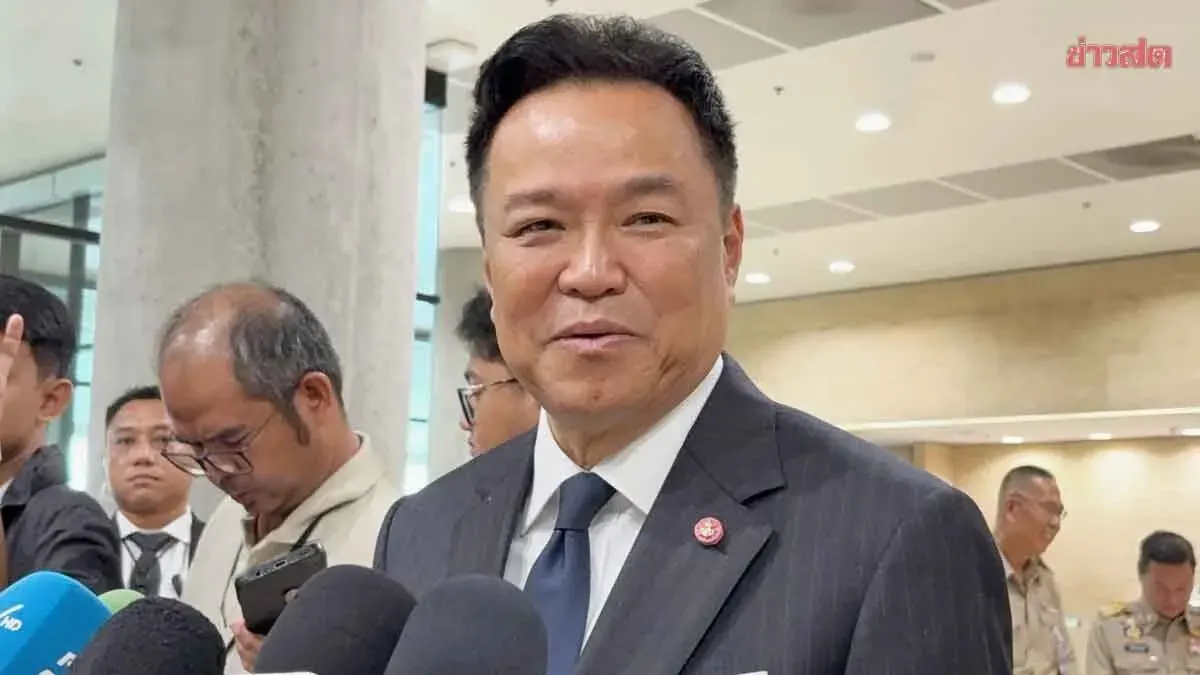
Sirikanya Tansakul, a list-based Thai Community Party deputy faction leader and minority committee member, argued during debate on Section 4 of the budget that she seeks to reduce spending by 100 billion baht, bringing the total to approximately 3.688 trillion baht. She acknowledged that while many government units faced significant cuts this year, the 100 billion baht figure represents genuine fiscal burdens that should be included in the budget, and noted that additional cuts could be found elsewhere to unlock space for other unbudgeted obligations of similar scale.
Tansakul accepted responsibility that the committee could not achieve deeper reductions, explaining that the committee chair had noted approximately 11,000 billion baht in cuts from training, seminars, consultant fees, and foreign travel expenses. However, she pointed out that about 3,000 billion baht of those savings were reallocated to cover an administrative court judgment for the Khlong Dan case, leaving only roughly 200 billion baht in training expense reductions from a 200,000 billion baht budget—an area where wasteful, inefficient spending persists.
She emphasized that training and seminar effectiveness is difficult to evaluate, and proposed cutting 100,000 billion baht from this area. Tansakul highlighted that recurring expenditures currently account for 73.6% of the annual budget; the actual figure may reach 76% when including unfunded pension obligations, employee contributions, and medical costs amounting to a shortfall of 104,789 billion baht—a recurring problem.
Regarding civil service reform, she noted that while early retirement programs exist, they target only thousands of employees and cannot significantly reduce salary costs of over 852,000 billion baht, as pension obligations remain payable. Pension fund premiums are underfunded by approximately 40,000 billion baht, while medical expenses fall short by 20,000 billion baht.
Tansakul proposed reducing three items that could yield faster results but require legal amendment: reserves, contributions, and compensation funds under Section 72, which mandate the government allocate no less than 20 percent of annual spending—currently set at 71,400 billion baht in the 2025 budget, an increase of 46,540 billion baht.