Lawmakers Warn Government of Three Risky Airport Rail Link Terms
A parliamentary subcommittee chair warned of three risky terms in Airport Rail Link negotiations between Thai Railway and a private operator, including uncapped costs, immediate refunds, and service cancellation clauses that could punish th
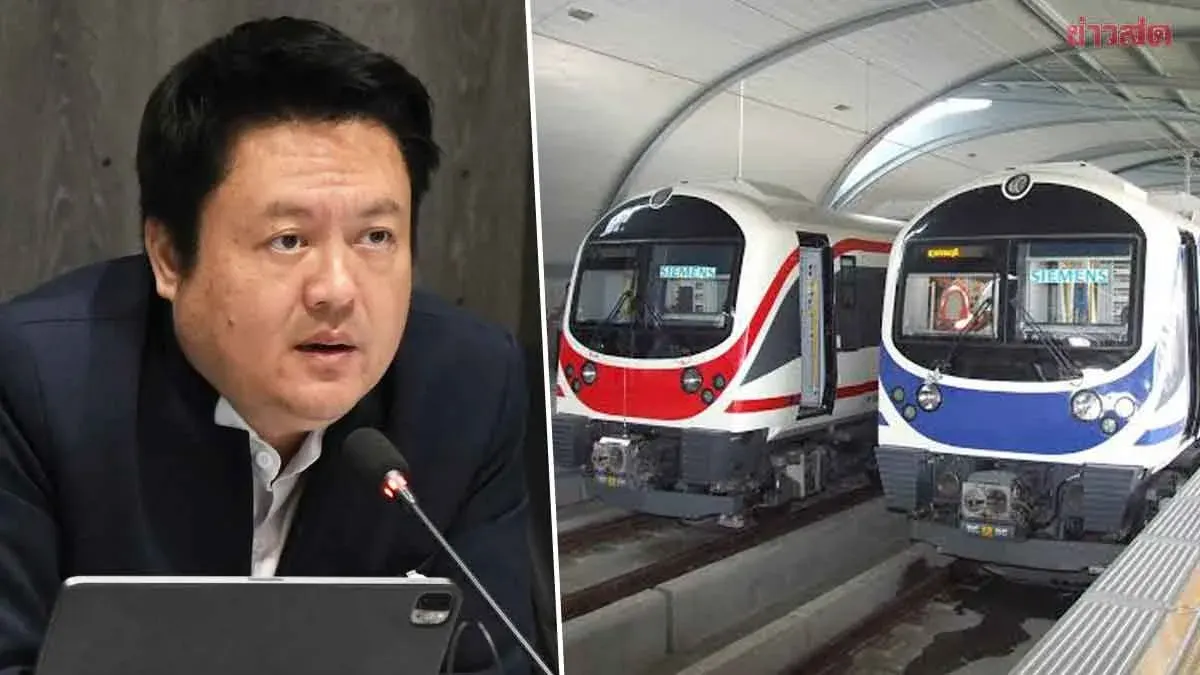
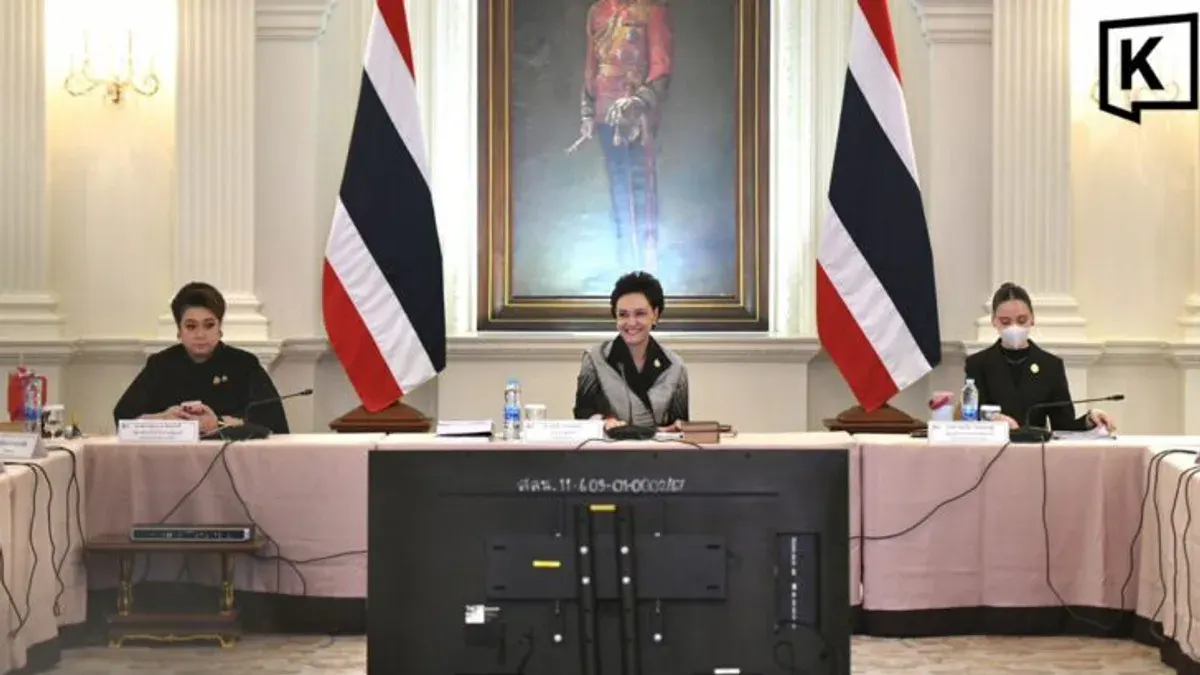
On September 12, Surachetr Praveevangsukul, chair of the parliamentary transportation infrastructure subcommittee, raised concerns about the management of Airport Rail Link (ARL) operations between Thai Railway (SRT) and Asia Aravan Company ahead of the current memorandum of understanding expiring on September 30. According to Surachetr, on September 8, Asia Aravan submitted a proposal to SRT for temporary four-month operations from October 1, 2026 to January 31, 2027. An SRT board meeting on September 10 did not reach a decision, and preliminary discussions held on September 11 with the Prime Minister, Transport Minister, and SRT remain unresolved, though negotiations must conclude before September 30 or public service will be disrupted.
Surachetr identified three dangerous conditions that could disadvantage the state and burden public finances: First, the private company claims to cover operating costs for four months as a public benefit but reserves the right to bill SRT for any cost overages, with no spending cap, cost verification mechanism, or clear timeline. Second, SRT must immediately refund Asia Aravan's 1.067 billion baht security deposit upon contract termination before depositing a new one of yet-to-be-agreed value. Third, the company reserves the right to terminate service immediately if SRT files suit or demands enforcement regarding disputes over the three-airport high-speed rail project or security deposit claims.
Surachetr stated that imposing service cancellation as a condition if the state exercises its legal rights essentially holds passengers hostage to prevent the government from enforcing contractual obligations—inappropriate for any public service agreement. He expressed deep concern that both SRT and the Mass Transit Authority remain unprepared to manage operations independently, despite the government knowing the MOU expires September 30 and that the three-airport rail deal has signaled problems for months. The lack of a contingency plan sets a dangerous precedent for future infrastructure concessions, particularly the Green Line rail extension expiring in 2027, which is far more complex. On September 18, a parliamentary subcommittee will convene to investigate and question officials on the resolution.