Luang Pho Ei's Coin Supports School Construction at Wat Sattahip
Luang Pho Ei Phuttasaro, a revered monk from Sattahip in Chonburi, founded Wat Sattahip and established a local school that continues to serve the community. Legend credits his meditative protection with keeping Allied bombs from hitting Sattahip during World War II. The temple holds an annual merit‑making event whose proceeds fund temple maintenance, scholarships, and various charities.
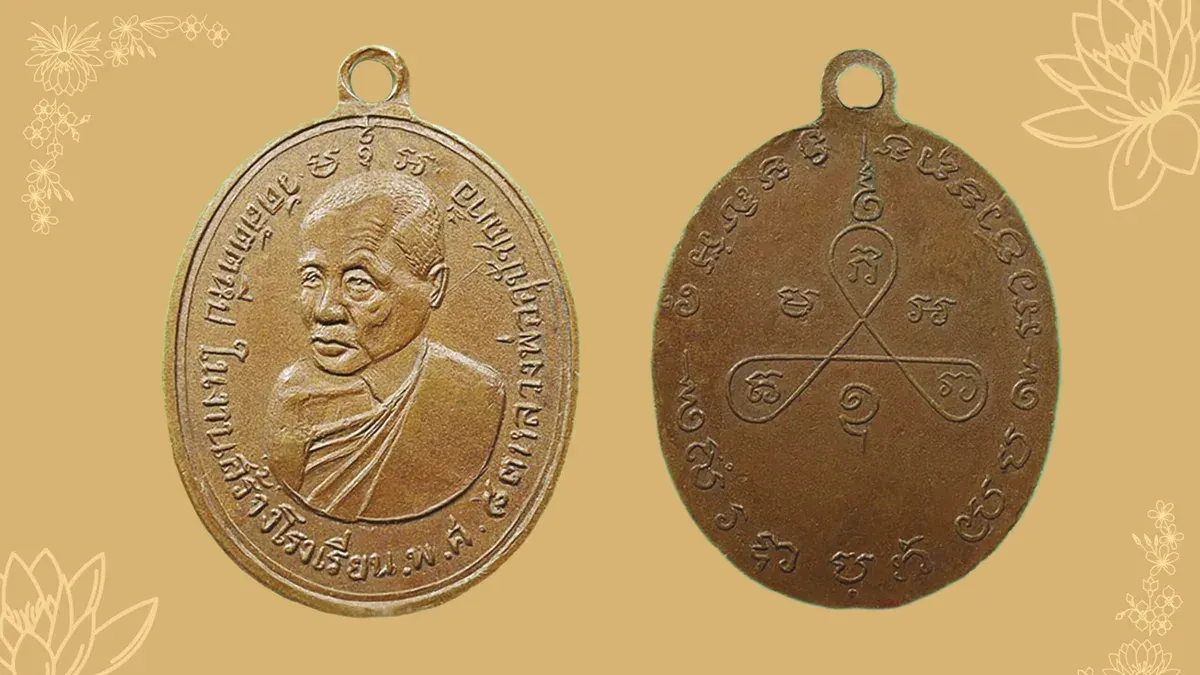
Phrakhru Worawetmuni, widely known as Luang Pho Ei Phuttasaro, was a renowned monk from the eastern region of Chonburi. His birth name was Ei Thongkam; he was born on Sunday, October 1, 1865, in Sattahip, a sub‑district of Sattahip district, Chonburi province. At the age of 25 he entered the monkhood at Wat Ang Silanok, where Ajarn Jan Chantaso served as his preceptor and he received the monastic name Phuttasaro. He spent six years studying the Buddhist scriptures under his preceptor, memorizing both the discourses and the monastic code. Later he trained in vipassana meditation under Phra Khru Nirothajarn (Luang Pho Pan) at Wat Bang Hia in Samut Prakan province, gaining proficiency. He then returned to observe the rains retreat at Wat Ang Silan. During his eleventh rains retreat he visited his relatives at Wat Sattahip and, together with lay supporters, arranged to move the existing monastic community from the market area to its present location at Wat Sattahip. He was subsequently invited to serve as abbot of the temple for the rest of his life. Wat Sattahip, also known as Wat Luang Pho Ei because he founded it, sits at plot 333, Moo 1, Seaside Road, Sattahip sub‑district, Sattahip district, Chonburi province.
Luang Pho Ei was a monk of exemplary conduct, full of loving‑kindness, who diligently observed the monastic code and aided the sick and distressed with traditional herbal medicine and mystical chants. Legend says that during World War II, when Allied forces bombed the Sattahip naval base, not a single bomb fell on the town. Witnesses reported seeing Luang Pho Ei seated in the open air, meditating and making a resolute wish, which caused the bombs to miss Sattahip entirely. The townspeople’s faith in his merit grew unshaken.
During his lifetime he brought great benefit to Sattahip district and Chonburi province. He established a primary school, originally called Pracha Ban Bang Suk, within the temple grounds; the school was later moved to Ban Na Road and renamed Sattahip School, where it continues to educate local youth. Among his sacred objects, he created amulets such as the famous ‘plastik’ (palad khik) that are believed to bring prosperity and success in trade, which many people rent to venerate. He also produced a variety of talismans — takrut, yant shirts, head‑cloths, the ‘Phra Sam’ and ‘Phra Si’ (four‑faced Brahma) images, and numerous other charms.
Luang Pho Ei began to suffer from a neck abscess in March 1946. He tried herbal poultices, but the condition did not improve; the infection worsened, forcing him to suspend his daily chanting routine and his strength gradually declined. On the night of September 20, 1946 (the waning tenth of the tenth lunar month, the year of the Dog), at 21:05, he passed away peacefully at the age of 82, having completed 57 rains retreats.
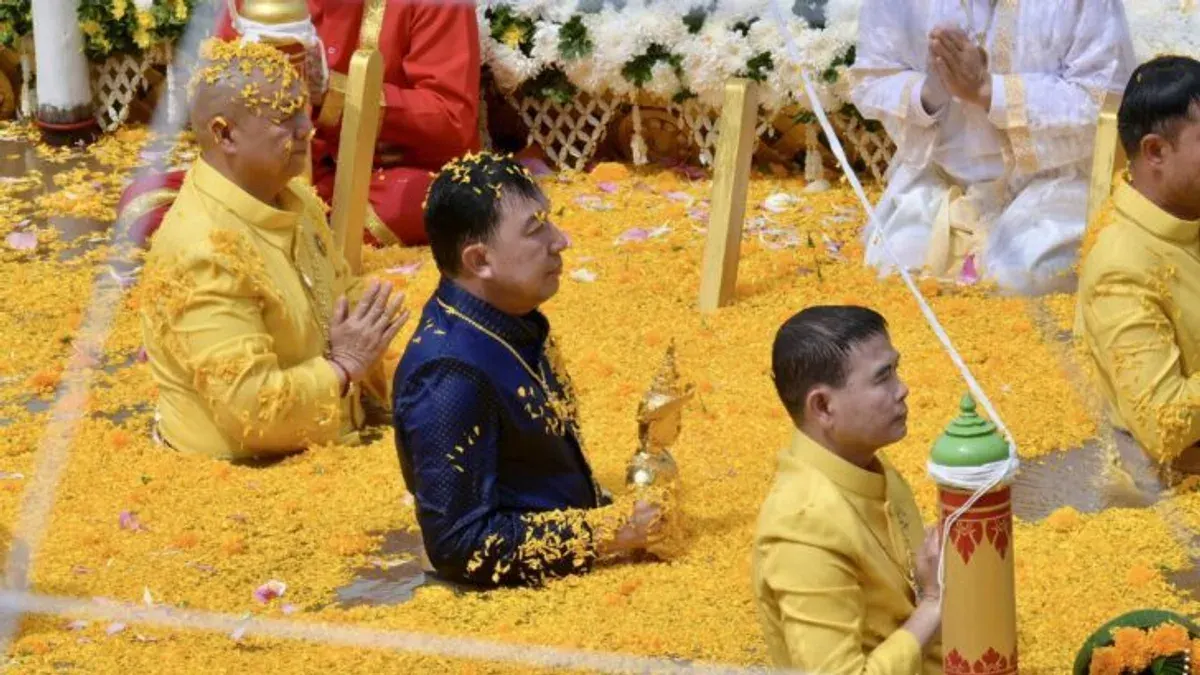
Even today his reputation is recounted, his charisma and Wat Luang Pho Ei endure. For this reason Wat Sattahip holds an annual merit‑making ceremony to allow disciples and devotees to make offerings in his honor. The proceeds from the event are used to repair and construct temple buildings, to provide scholarships for local schoolchildren each year, and to fund various public charities. Many sacred items have been produced over the years — takrut, yant shirts, amulets, the ‘Phra Sam’ and ‘Phra Si’ images, and especially the renowned palad khik charms, which were first issued in several varieties in 1941.