Minister Defends Budget Plan Against Criticism
Thailand's deputy prime minister defended the 2570 fiscal budget against opposition criticism, arguing the government's new approach is necessary to break chronic budgeting problems that previous administrations failed to reform.
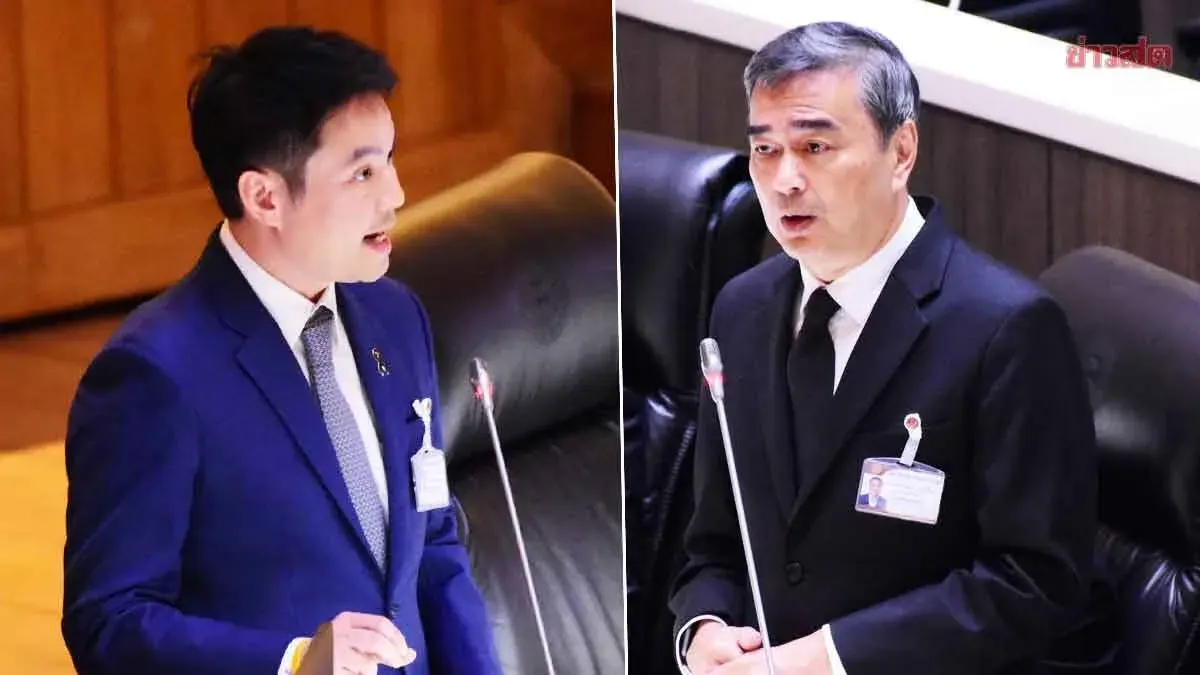
Deputy Prime Minister Phrathat Pirisnanantakul on July 1, 2569, addressed parliament's consideration of the fiscal year 2570 budget bill, responding to criticism from Democratic Party leader Abhisit Vejjajiva. While agreeing with most of Abhisit's observations about budgeting obstacles, Phrathat disagreed on one point: calling the budget "vision-less." He argued that without this year's approach, continuing old methods in years 2571-2572 would truly be vision-less. The government, facing potential disaster, had no choice but to adopt this budget structure while acknowledging its imperfection due to time constraints and long-standing fiscal obligations. Phrathat noted this represents a chronic problem binding multiple governments, yet none had dared to reform budgeting procedures. He stated previous comments would benefit the country only if implemented, not merely used to gain parliamentary approval before reverting to old practices next year. Phrathat has discussed plans with Prime Minister Anutin Charnvirakul, Interior Minister Eknit Nitithumphrapas, and Deputy PM Pakorn Nilpraphan to launch reforms, recruiting parliamentary allies believing budget system restructuring is essential. This requires parliament's cooperation on legislative changes and collective brainstorming. The Finance Committee is establishing a subcommittee to study and reform state revenue collection, aligning with Eknit's reform plans. Regarding borrowing and rising deficits, the government recognizes approaching debt ceilings and plans to reduce deficits while maintaining fiscal discipline. "This government won't follow old patterns," Phrathat said, emphasizing deficit reduction priorities. On transparency, the government proactively provided budget office Excel files for parliamentary analysis weeks before proceedings, a first. With clear PM directives to tighten budgets, the government also engaged budget offices in performance evaluation—an unprecedented undertaking.