MP Shooting Case Stalls, Deepening Crisis for Thai Security Agency
An investigation into the shooting of a Phichit Prachathai MP has stalled after arrests of suspected shooters and an ISOC officer, deepening a crisis over the security agency's undefined role and suspected involvement in extrajudicial killi

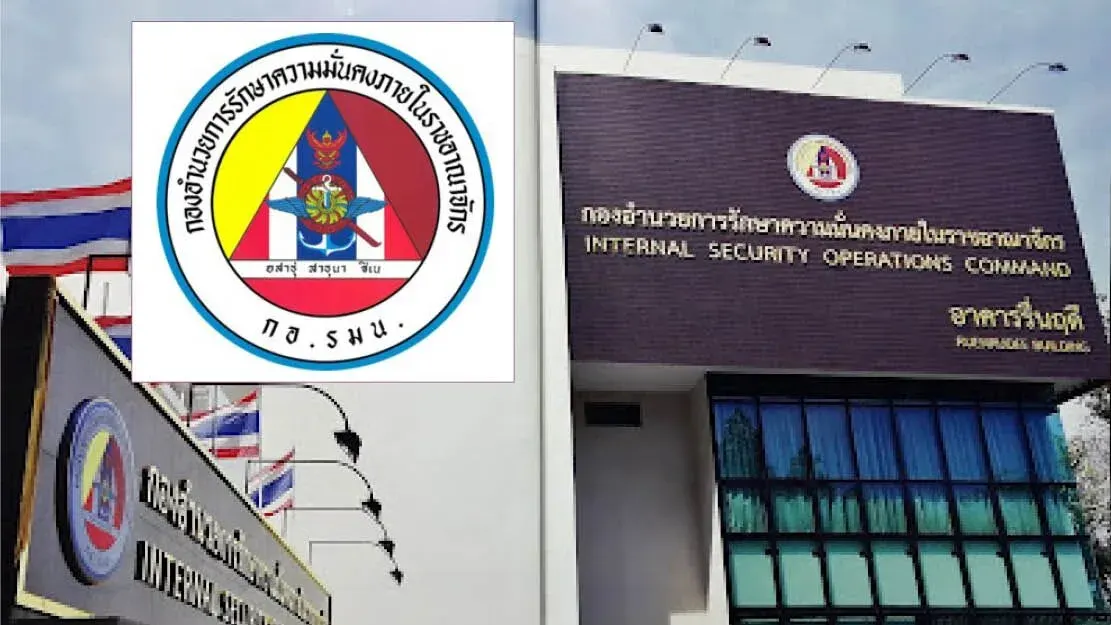
The Internal Security Operations Command (ISOC) has become the target of harsh criticism, with demands from Wan Muhammadnoor Matha for its dissolution. The core problems stem from ISOC's ill-defined role, complex organizational structure, and overlapping duties with other agencies. In the sensitive three-southern-provinces area, marked by acute conflict and insurgent activity, ISOC wields considerable influence amid confusion over state policy direction—whether civilian or military leadership should prevail.
The assassination attempt on Phichit Prachathai MP Komalchai Liwamaor brought these tensions to a head. The shooting team used an ISOC vehicle issued by an ISOC officer, with government weapons. The suspects include former naval engineers, former rangers, and active-duty ISOC and navy personnel. This has deepened public doubt about ISOC's legitimacy and role.
Within a pattern of mysterious shooting deaths over years, authorities arrested five shooters and an ISOC officer and naval engineer who coordinated logistics and equipment. Yet the case stalled there—unable to reach those who gave the orders. This halt suggests either the investigation has hit a dead end or that uncovering the full truth would be too damaging.
Meanwhile, the opposition Phichit Prachathai party, led by Deputy Police General Anucha Saengkla, continues pressing the case. The party's experienced investigators may pursue leads independently. If the state cannot deliver justice, it compounds the damage: the government, investigators, and ISOC all appear complicit. Southern Thailand grows more suspicious, and calls for ISOC's accountability intensify.