Government M16s Used in MP Shooting Probe Deepens
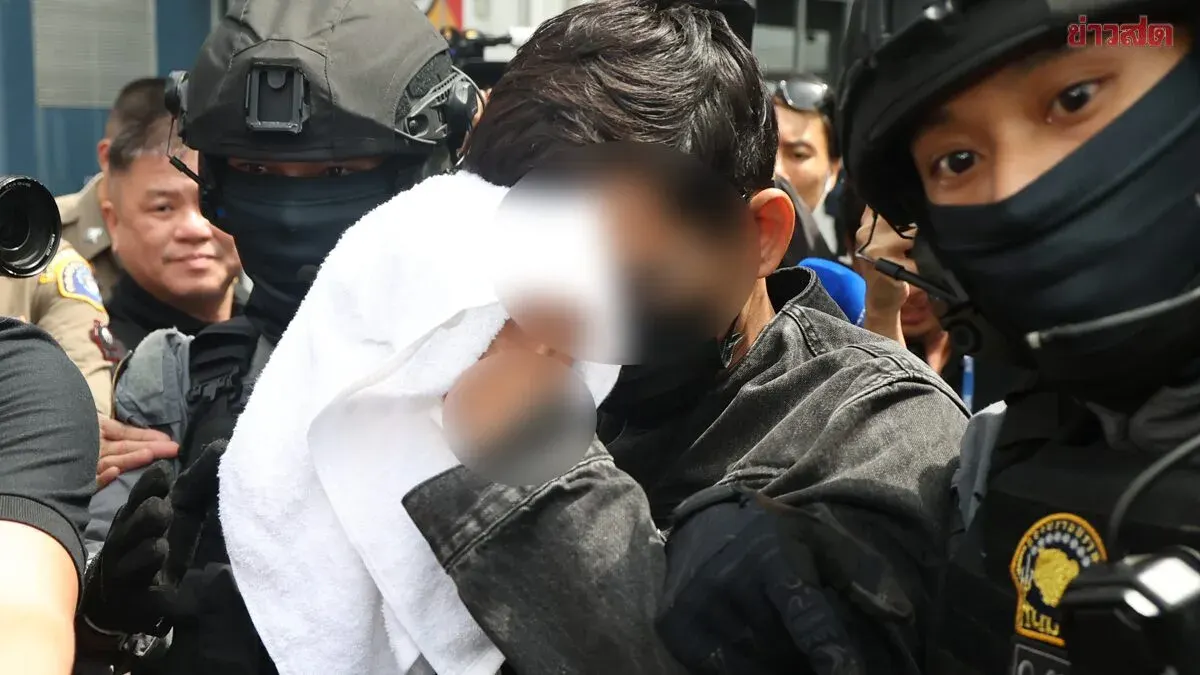
Investigations into the shooting of MP Kamlasak Leevamaoh have intensified focus on two M16 rifles recovered by police, both military-issued weapons originally from the Royal Thai Navy. One rifle was officially marked as destroyed yet was u
As previously reported, if the shooting case against MP Kamlasak Leevamaoh stalls without reaching those who ordered it, it will impact the overall situation across three southern provinces, and calls to dissolve the National Reform Council will not fade. The connections are undeniable.
While police investigations have stalled, the Democrat Party and parliamentary committees continue their work. Scrutiny of security agencies with relevant evidence is intensifying.
The emerging issue is tracing the M16 rifles used in the shooting, both seized by police, which will lead directly to the Royal Thai Navy Weapons Department.
Both M16 rifles recovered by police and used to fire on MP Kamlasak's vehicle are military-issued weapons. One rifle belonged to the Navy but was registered as damaged and marked for destruction, yet it turned up in the hands of the shooting team. How did this happen?
The problems are twofold: the weapon's naval origin and the fact that it was listed as destroyed but was still used to commit a crime. Records show 40 rifles marked for destruction—raising questions about how many other "phantom guns" are out there being used in various crimes.
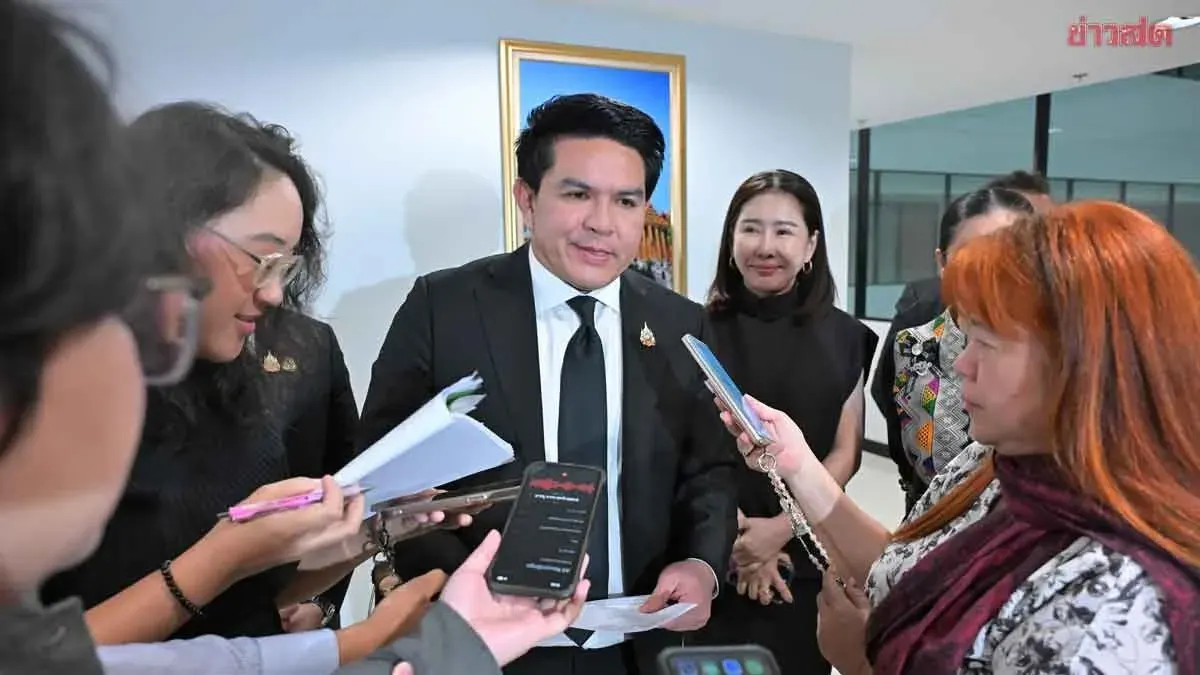
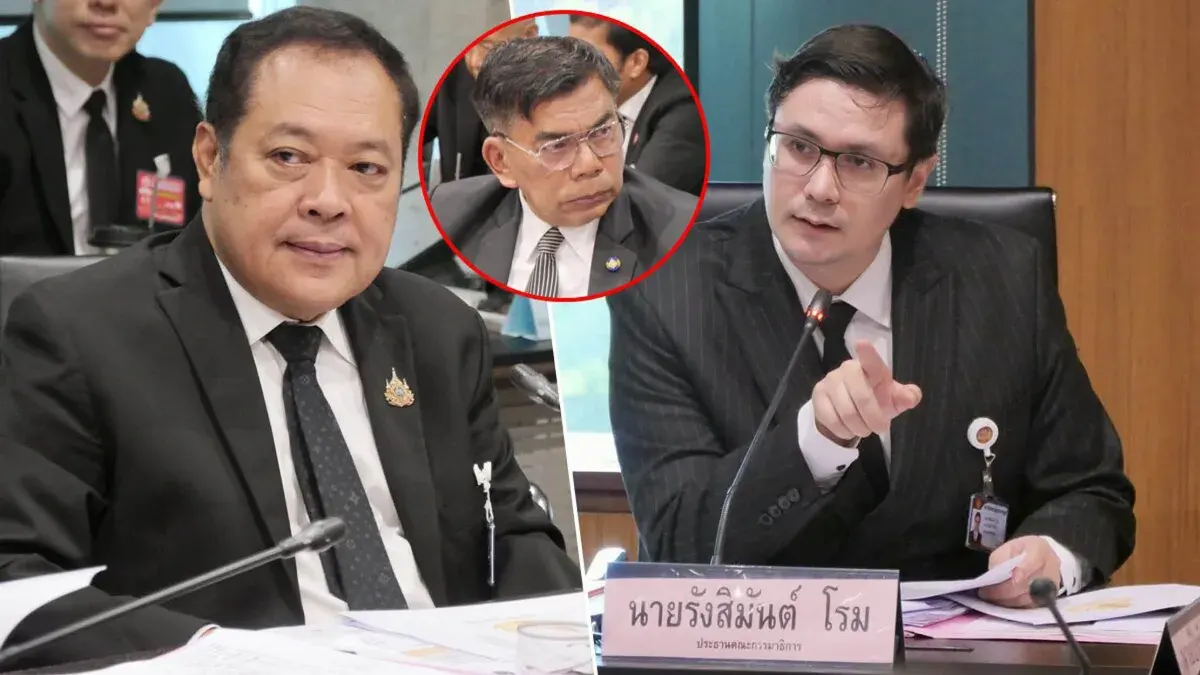
The parliamentary committee on law, justice, and human rights, chaired by Rangsimanth Rom with Deputy Democrat Party Leader Thawi Sodsor serving as a member, has coordinated with the Royal Thai Navy Weapons Department to hold a joint meeting in Chachoengsao.
The discussion will cover the entire weapons management system, from procurement and control to disposition, as well as orders from responsible officials to destroy weapons. The committee will visit destruction sites.
The committee has also invited the Navy commander to explain how the M16 rifles were received, distributed, and allocated to operational units.
The investigation will trace the weapon from the crime scene back to its source, examining the distribution process and destruction procedures—and how it ended up in the hands of those targeting the MP. They may also uncover other weapons.
The more concealed this case becomes, the more it unravels.