Thailand Sets Steel Standard Hearings for July
Thailand's Industrial Products Standards Office will hold public hearings in mid-July to review a new steel rod standard amid concerns over induction furnace steel quality and alleged links to recent building collapses. The Thai Structural
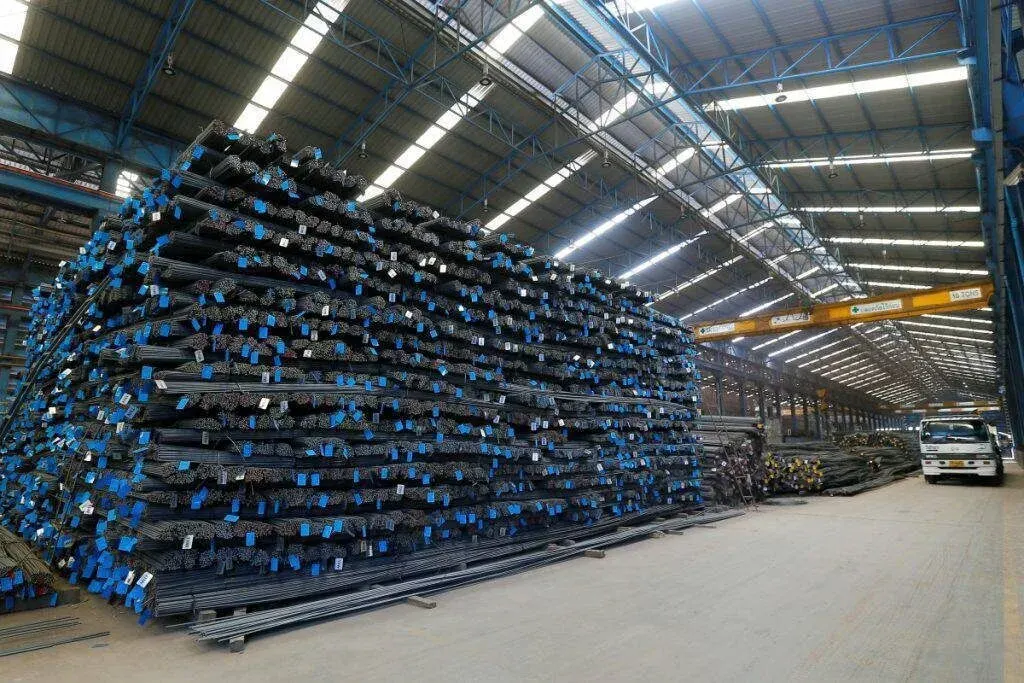
The Industrial Products Standards Office (IPSO) is preparing to open a public hearing and conduct technical review of a new steel rod standard in mid-July, amid heated debate over the production quality and safety of steel manufactured using induction furnaces (IF). This decision could significantly impact Thailand's steel industry direction and future building safety standards.
Amorn Pimanmas, president of the Thai Structural Engineers Association, revealed that the association has submitted academic data and observations to the industrial committee to ensure the public understands the issue correctly as part of drafting the new steel standard. He emphasized that the key issue is not business competition among manufacturers, but rather production quality standards and long-term public safety.
One major public concern is the alleged connection between IF steel and recent building collapses. However, the association argues there is currently no scientific evidence proving that IF steel directly caused any building failures, and that steel quality assessment should be separated from individual accident investigations to avoid public confusion.
While IF furnaces can theoretically produce quality steel, the association notes that success depends on using high-quality raw materials, with scrap metal undergoing strict selection and sufficient impurity removal systems. "The key question is not technology potential alone, but practical quality control," the statement reads, "particularly verifying scrap metal sources, which often come from multiple origins with varying quality. Without tight oversight, this can affect molten steel quality and final product properties."
Another ongoing academic debate concerns whether IF technology can match the production quality of Electric Arc Furnaces (EF), the long-established, widely-accepted system with clearer quality control and impurity removal processes.
The association believes IF manufacturers must present clear academic data, research, and technical evidence proving their technology matches EF systems in quality control and can genuinely build professional and consumer confidence.
Amorn stated that the real focus should be on steel purity and impurity levels in finished products, not furnace type, since highly pure steel directly impacts structural performance—particularly tensile strength, ductility, and elasticity. These properties are critical for withstanding natural disasters like earthquakes, where structures must flex and absorb energy without sudden failure. This is why the profession emphasizes steel quality control throughout production.
Moving forward, input from all stakeholders—steel manufacturers, academics, engineers, and industry—will shape the standard-setting process.