ThaiHealth Launches MUSYA AI to Transform Health Data Into Policy
The user wants a short summary of the article about ThaiHealth launching MUSYA AI. I need to write 1-2 sentences, 120-220 characters, max 240. Output English only, plain factual, no filler, lead with what happened then one key detail (who,

Facing complex health problems that differ across areas — ranging from non-communicable diseases (NCDs) and road traffic injuries to mental health — crafting precise policies requires reliable, complete, and usable data. However, health data dispersed across numerous sources and formats continues to challenge public health staff in analyzing situations and planning responses.
The Thai Health Promotion Foundation (ThaiHealth) together with Ubon Ratchathani University held a launch event for the innovation "MUSYA AI: From Health Region 10 to Regional Expansion," showcasing the successful development of an artificial intelligence model that serves as a tool to analyze local health data and generate policy proposals and work plans with accurate citations. The event took place on October 16, 2026, at the Sunee Grand Hotel and Convention Center in Ubon Ratchathani.
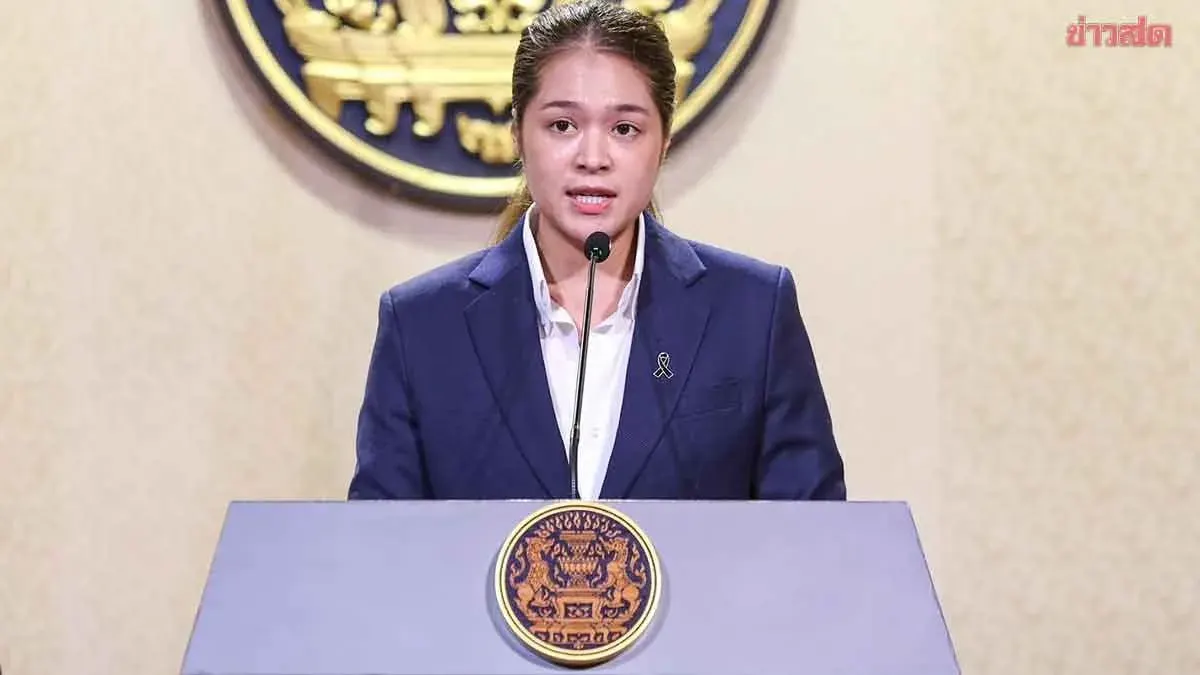
Dr. Natthaphan Supaka, ThaiHealth's Assistant Fund Manager, pointed out that health policy design must rest on accurate and precise databases. ThaiHealth therefore collaborated with Ubon Ratchathani University to develop MUSYA AI to act as an assistant to public health officers, transforming local health data into draft policy proposals and action plans with clear references, driving the mission to reduce health risk factors in line with ThaiHealth's DOPA-Driven Strategy (Data-Driven, Outcome-Driven, Partners-Driven, and AI-Driven).
Pilot testing of MUSYA AI in the Health Region 10 sandbox involved 110 public health personnel from provincial and district health offices, covering road traffic injuries, food and nutrition, and mental health. Participants rated usability at 97 out of 100, far above the 68 average for conventional systems. Innovation acceptance scored 4.70 out of 5, and policy proposals produced with the system earned 95 out of 100, compared with 72 for generic AI.
"ThaiHealth's approach to supporting area-based innovation has three dimensions: Sandbox — opening areas for direct experimentation and outcome measurement; Transfer — passing tools on for consideration of scale-up; and Exit — enabling relevant agencies to sustainably integrate tools and policy proposals into their routine work and budgets."
The next step will trial MUSYA AI in Health Regions 7, 8, and 9 for one year while evaluating health outcomes, allowing agencies responsible for policy-setting and health promotion at the local level to consider adoption and further development according to their mandates and readiness.
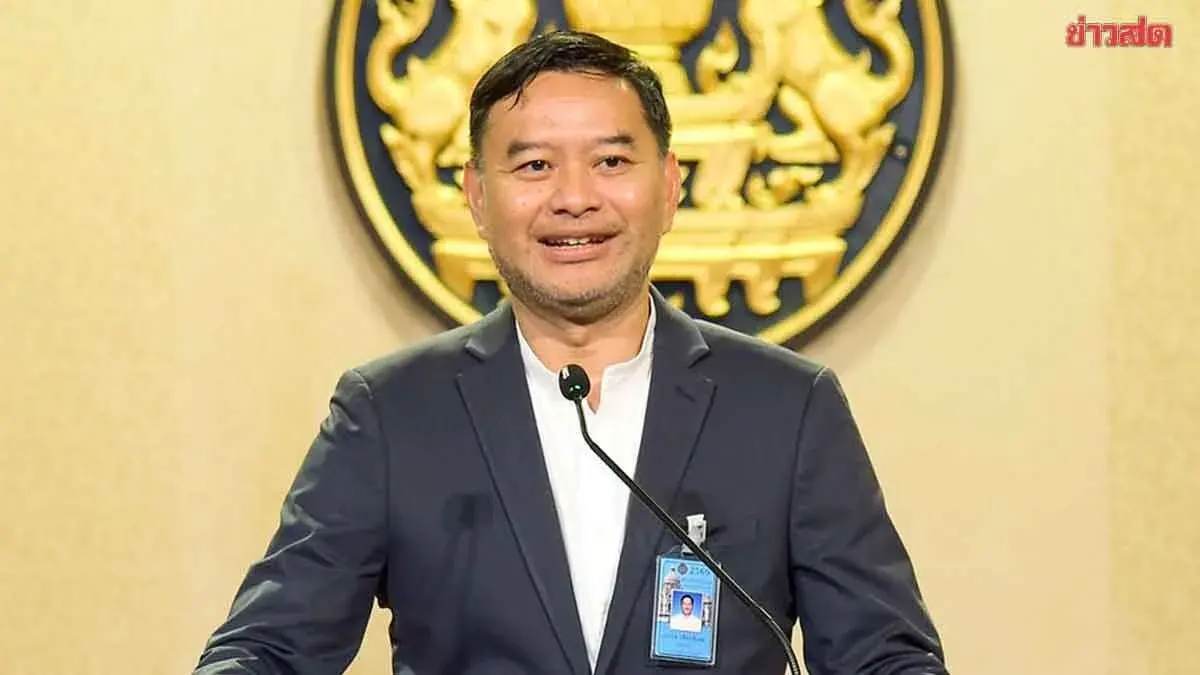
Dr. Phitakphong Chandaeng, Ubon Ratchathani's Provincial Public Health Doctor, noted that the province faces complex health issues — NCDs, road injuries, and distinct problems in each district — while planning data is scattered across many sources, making it time-consuming to compile a clear picture of local challenges.
"Introducing MUSYA AI in Health Region 10 helps public health officers understand area health problems, quickly search and synthesize dispersed risk-factor data, and structure information into policy recommendations that can be developed into actionable local plans."
Assistant Professor Dr. Raphiphan Pitakaso, head of the MUSYA AI project, explained that MUSYA AI processes health data stored in various systems and formats, bringing it back together to support...