New Book Explores Forest Monks and Urban Power Networks
A new book by Saplot Ongphichatmetha traces how the respected Phra Ajaan Man lineage of forest monks expanded from rural ascetics to wielding significant influence in Bangkok's elite circles and the royal court, particularly through King Ra
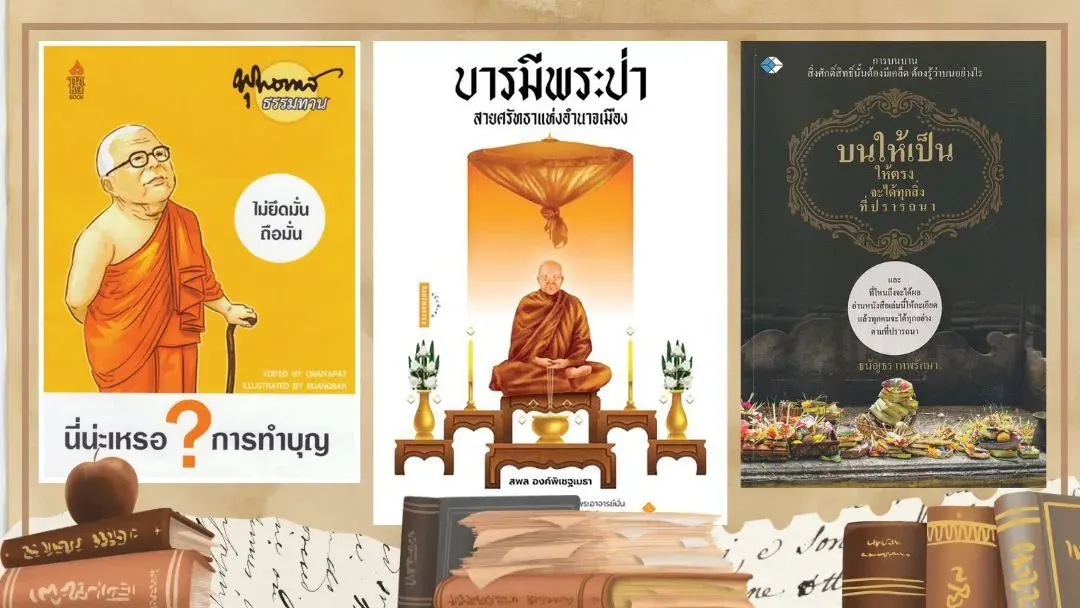
'Barami Phra Pa: Faith and Urban Power' Author: Saplot Ongphichatmetha Published by: Matichon Publishing House Price: 360 baht
Forest monks are typically remembered as clergy living far from cities and development, practicing ascetically in rural areas and forests with few possessions and little attachment to material comfort or convenience. This has earned them widespread respect from many people, not only villagers and provincial residents, but also urbanites in Bangkok—including the middle class, businesspeople, civil servants, and some aristocrats.
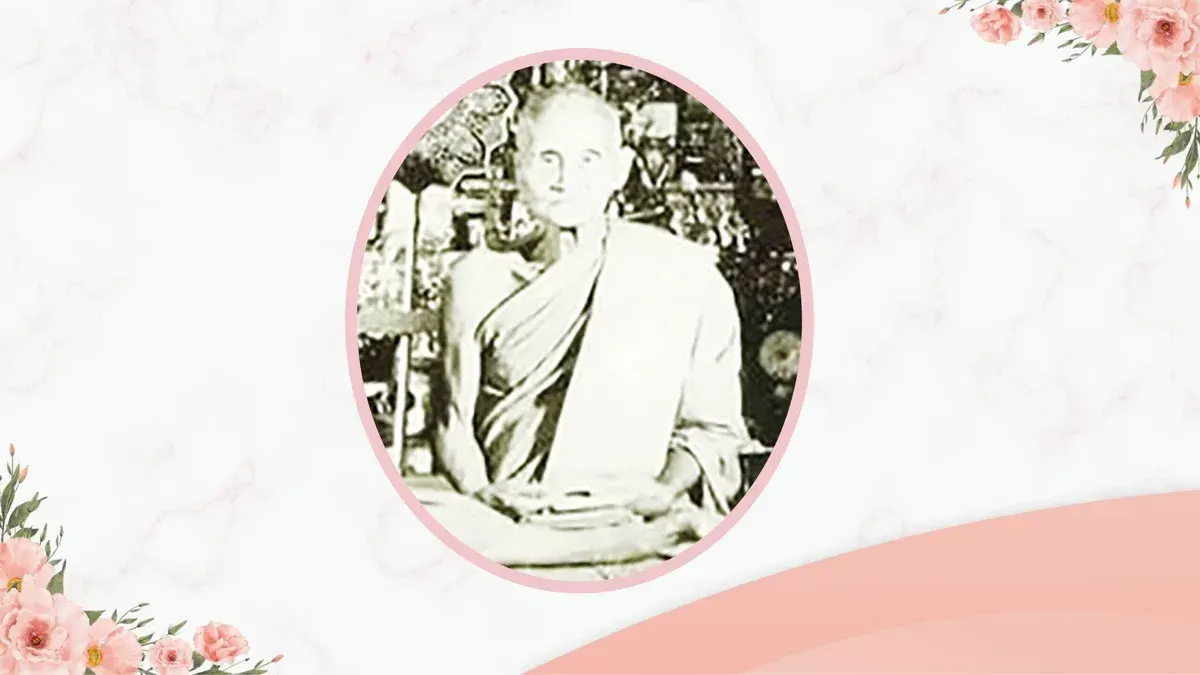
One of the most famous and respected forest monk lineages is the 'Phra Ajaan Man Bhūridatto' lineage.
This book presents the story of the Phra Ajaan Man lineage of forest monks, beginning with Phra Ajaan Man himself during the reign of King Rama V, when he was ordained, went on forest wanderings, and propagated Buddhism in the North and Northeast. His religious activities earned him respect from many monks and a steadily growing number of disciples.
This created a network of monks and laypeople united by their devotion to Phra Ajaan Man, and this network gradually expanded its influence and relationships with other people and social institutions. This growth accelerated through the forest monks' improved relationships with provincial administrators in the Northeast, which became a gateway for the Phra Ajaan Man lineage to gain wider recognition and respect throughout the country, particularly in Bangkok. Their connection with the disciples of Bowonniwet Monastery in the 1950s further linked them to aristocratic circles and the royal court.
The connection between the Phra Ajaan Man lineage and the palace became especially clear during the reign of King Rama IX. Due to the Communist insurgency problem in the 1960s, the King frequently traveled through rural areas and, as a patron of Buddhism, regularly made merit and paid respect to forest monks from the Phra Ajaan Man lineage. The King's personal faith in these monks, publicized through newspapers, radio, and television, significantly increased their respect and reverence among the Thai people.
••'Kham Chant: A Guide to Thai Classical Poetry'•• ••'Is This What Merit-Making Really Is?'••
"...When associating with the virtuous, one improves rapidly..." - A teaching by Somdet Phra Buddhakosajarah (P.A. Payutto), Yanawet Kiwan Temple
This week's column recommends a fine book from Mae Kham Pang Publishing: 'Kham Chant: Poetry as National Heritage' by Thongthaem Nathachanong. Currently, there are few introductory guidebooks on kham chant (Thai classical poetry) for teachers, students, and scholars. This book compiles explanations of prosody rules—bung, khru, lahu—and introduces nearly all major kham chant works from the Ayutthaya period through the 1932 political transition. It also adds cultural and historical context useful for educators, with helpful kham chant structure diagrams in the appendix. Price: 350 baht.
'Is This What Merit-Making Really Is?' by Chaiyapat Thongkambanj. Those who desire merit should listen carefully—not merely as a formality like most people, who are ignorant of what merit-making truly means, how to do it, or why. They simply make merit passively, assuming they've earned merit without understanding the deeper purpose.