New Railway Line Chumphon-Ranong Completes Thailand's Network
Thailand is building a new 110-kilometer dual-track railway from Chumphon to Ranong, a 27 billion baht project that will connect the country's main rail network to Andaman deep-sea ports for the first time. The link eliminates costly truck
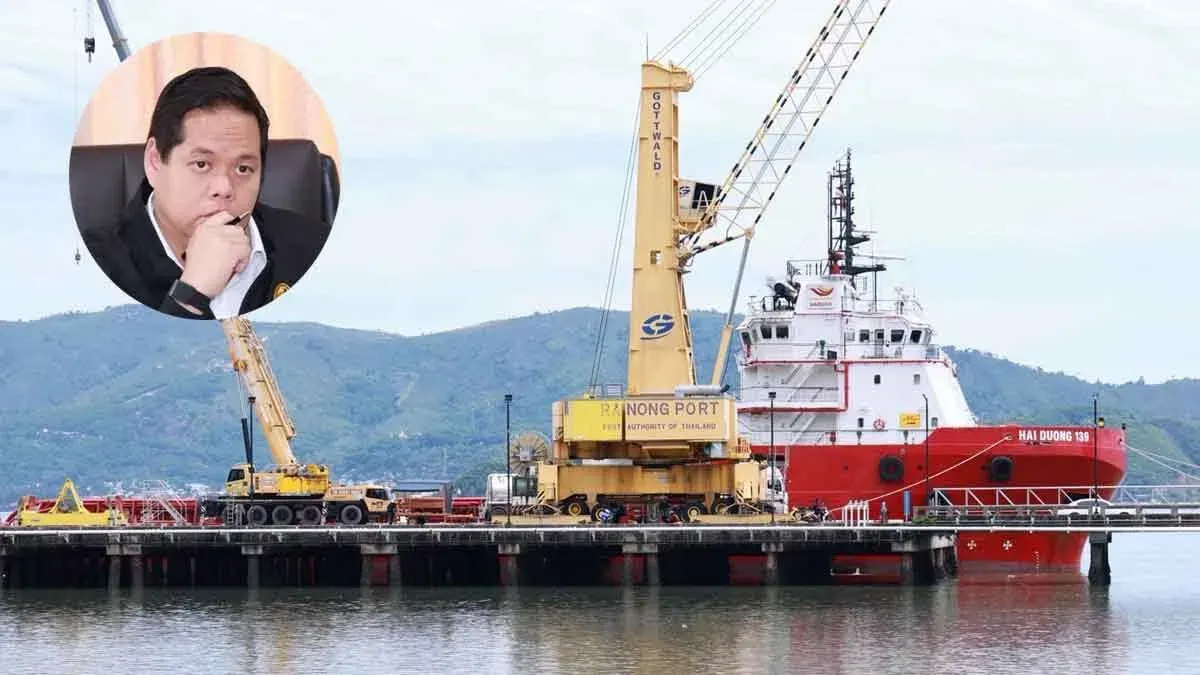
Deputy Transport Minister Sarrapeetch Bunyamani is spearheading a new dual-track railway project from Chumphon to Ranong to complete a critical missing link in Thailand's rail network. Thailand is entering a crucial phase of infrastructure development, moving from individual project investment to integrated transportation networks where roads, railways, ports, airports, and border crossings work together to enhance the nation's long-term competitiveness. The minister emphasized that modern infrastructure development means connecting existing investments to operate efficiently and maximize economic value for transportation and goods movement.
The Chumphon-Ranong railway project is vital for Thailand's transport network, filling a gap that will allow the main rail network to connect to Andaman deep-sea ports for the first time. Spanning approximately 110 kilometers with investment exceeding 27 billion baht, this strategic link completes the country's rail system like the final puzzle piece. When completed, goods from the north, northeast, central, and southern regions can be transported directly to Ranong port by rail without shifting to truck transport in the final stage, reducing logistics costs, shipping time, and strengthening Thai goods' competitiveness globally.
The project also gives Thailand flexibility in connecting trade across both the Gulf of Thailand and Andaman coast. The main rail network will continue connecting to major Gulf ports like Laem Chabang, Bangkok, and Map Ta Phut, while also linking to Ranong as the gateway to the Indian Ocean, connecting with BIMSTEC member countries and Middle Eastern and African markets. When roads, railways, ports, airports, and border stations work efficiently together, Thailand can become a regional logistics hub, reduce supply chain risks, and ensure long-term economic security. The project will boost the economies of Chumphon and Ranong provinces, attracting warehousing, distribution centers, logistics businesses, and related industries, creating employment and income while opening markets for southern agricultural products, seafood, and processed goods.