Stingless Bee Farming Workshop Highlights Ecosystem, Economic Benefits
The user wants a short summary of the article about a stingless bee farming workshop. The summary should be 1-2 sentences, 120-220 characters, max 240 characters. Must be in English only. No filler, no "this article discusses". Lead with wh
Tiny insects often overlooked may become a key opportunity in modern agriculture, as stingless bees do more than produce unique honey — they also pollinate crops and help create ecological balance in orchards. When beekeeping knowledge is applied effectively, these small insects become an attractive option for those wanting to add value to their farmland.
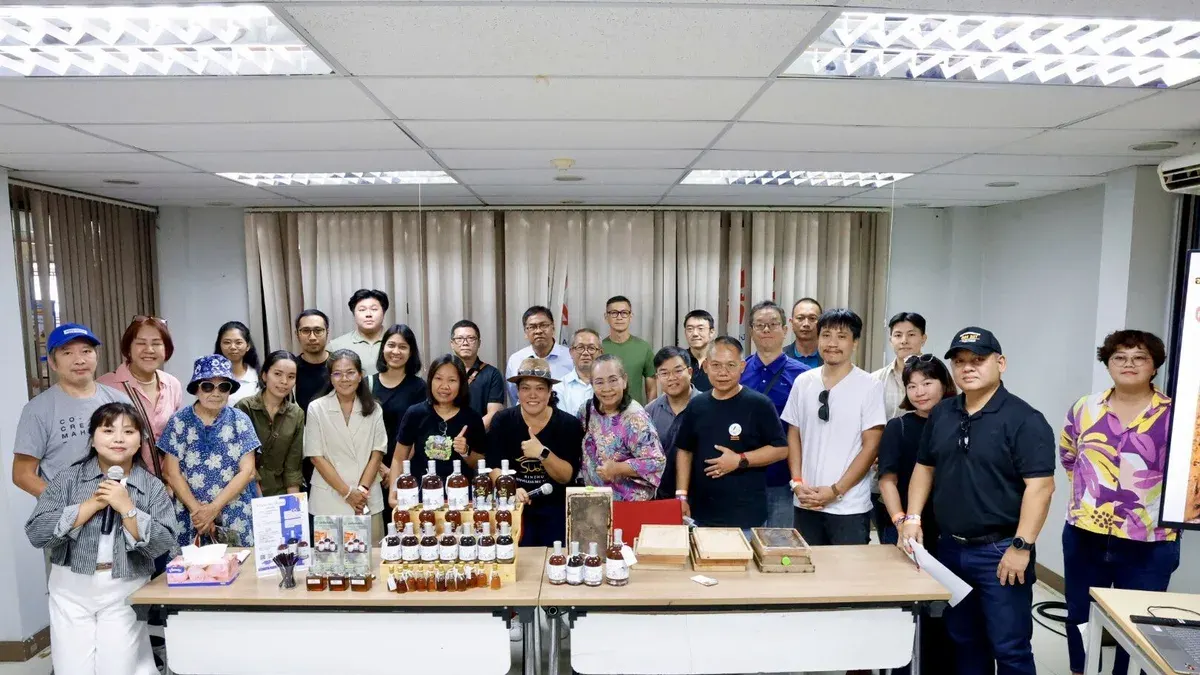
For this reason, the "Hive Building and Stingless Bee Farming (Creating Garden Ecosystems, Producing High-Value Honey)" workshop is a highlight of the NEXT MOVE "Agriculture Not the Same" seminar organized by Farmer Tech, a leading online agricultural media platform, together with the Ministry of Higher Education, Science, Research and Innovation. The event gives participants a chance to learn from real experience of stingless bee keepers, understand the insects' role in the ecosystem, and explore pathways to create added economic value.
This workshop is led by Pairin Chuerod, known as "Rin," president of the Rin Chu Stingless Bee Ban Bang Kluay community enterprise in Ratchaburi province. She has experience raising and developing stingless bees from a small start to building a career and a network of keepers in the community. Her story reflects how developing local resources can lead to new opportunities when combined with knowledge, understanding, and continuous hands-on learning.
Pairin said the workshop opens a chance for interested people to learn about stingless bees from real experience — from observing differences between species, understanding hive components, to preparing apiary sites and selecting suitable queen bees. Especially for those wanting to start beekeeping as a career, even without prior background, they can join and learn. The key is understanding the nature of stingless bees — climate, temperature, and insect behavior — to apply knowledge to their own areas.
Learning the "Stingless Bee" Way to Create Ecosystem Balance
A highlight of this workshop is opening participants' perspective that raising stingless bees is not limited to just having hives and harvesting honey. It must start with understanding the insects' nature, arranging a suitable environment, and caring for food sources that support stingless bee survival — all crucial factors for sustainable long-term beekeeping.
During the activity, participants learn from hive building and stingless bee farming methods through expert experience sharing, observe queen bee hives and internal hive components up close, taste stingless bee honey and learn differences between species. The workshop also provides opportunities to ask questions about preparation for beginners and exchange farming methods for those already experienced.
Pairin emphasizes that those wanting to raise stingless bees as a career must pay attention from queen bee selection, hive placement, to observing bee behavior — considering climate, temperature, and the surrounding ecosystem together. Because success in beekeeping does not depend on simply having hives, but requires understanding and care suited to the insects' nature. Once knowledge is gained and farming developed to produce yields, stingless bees offer diverse income channels — whether selling equipment and queen bees, or other products.