Opposition Leader Confirms Readiness for December No-Confidence Debate
The user wants a short summary of the article, 1-2 sentences, 120-220 characters, max 240. Must be in English only. No filler. Lead with what happened, then single most important detail. No markdown, no quotes. The article: Opposition leade
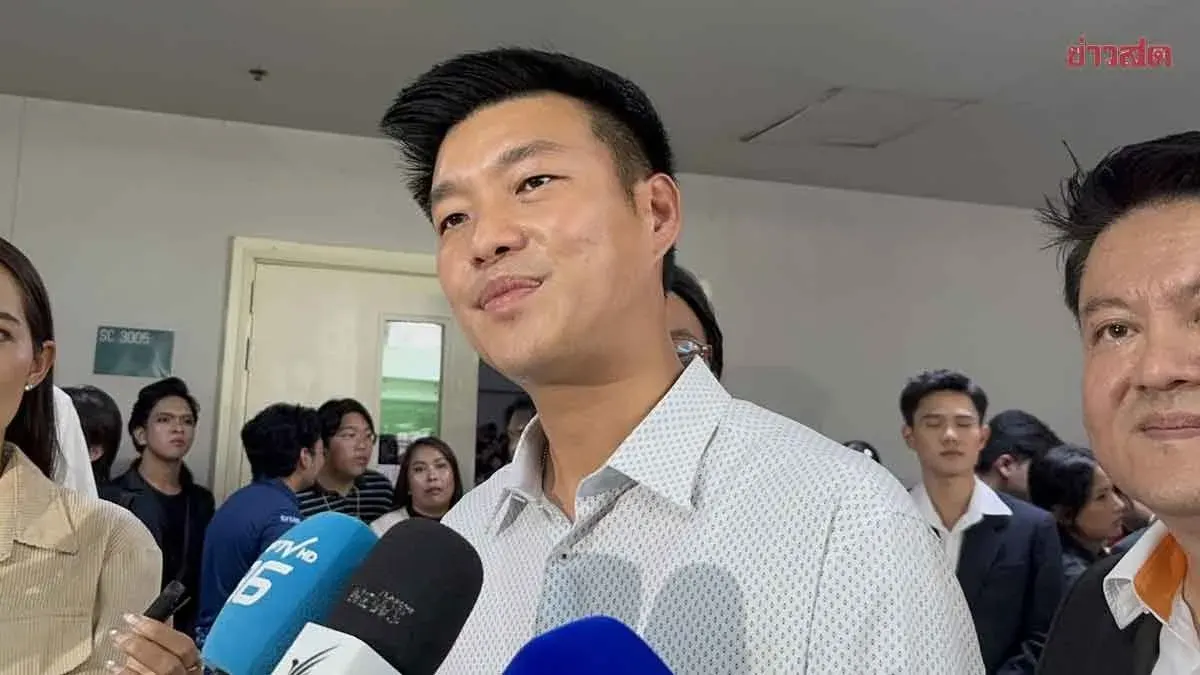
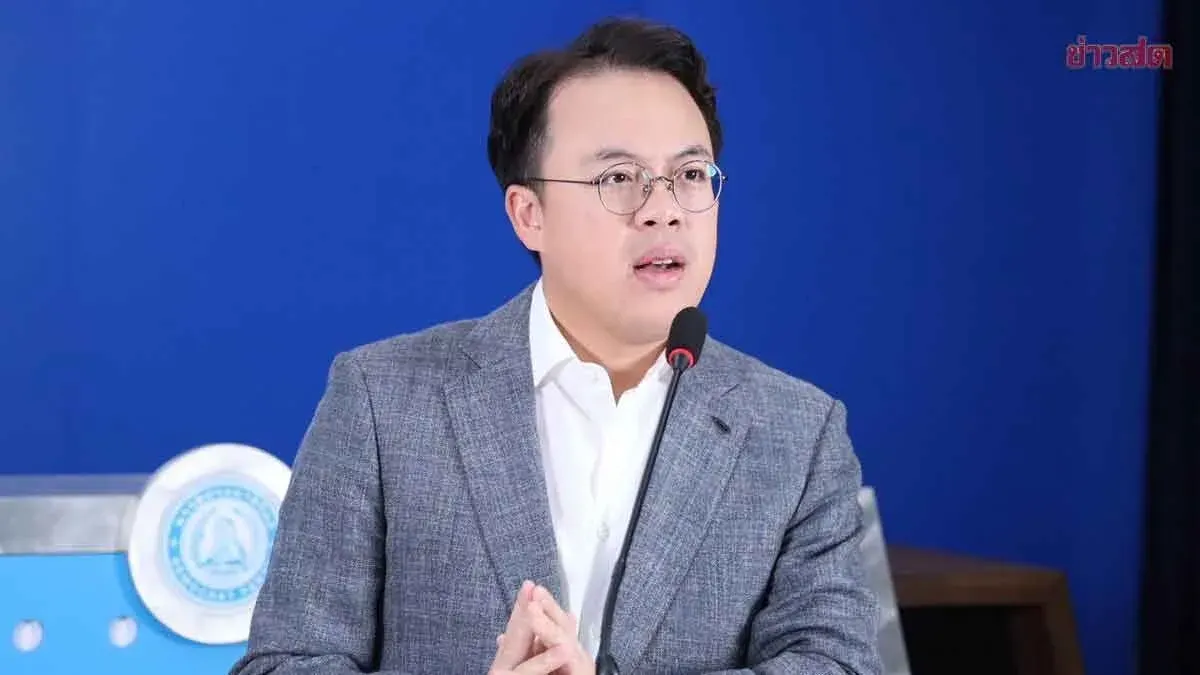
Opposition leader Natthaphong Ruengpanyawut, list MP and leader of the People's Party, gave an interview at 3:00 PM on October 30, 2026, at the Social Sciences Lecture Building, Thammasat University Rangsit Center, regarding the submission of a general debate motion without a vote under Section 152 of the Constitution, paired with a no-confidence debate motion under Section 151. He stated these are channels and rights available to the opposition.
Natthaphong said the decision on whether to submit the motions depends on the government's posture and discussions with opposition whips. The latest agreement among the three opposition whips sets the Section 151 debate for December 7-11. He stressed that the government's respect for parliamentary mechanisms does not require waiting for the debate stage; answering live questions or clarifying to committees are also important platforms.
Asked whether the delay to December 7-11 disadvantages the opposition, Natthaphong said it could actually make the scrutiny more thorough, as more time allows for more information gathering.
When the prime minister countered by questioning who exactly was unprepared regarding the no-confidence debate timeline, Natthaphong replied he had answered this multiple times: since the three whips could not agree initially, the opposition requested a one-week shift from the original period, and the opposition is ready every week. He noted that if the prime minister's schedule allowed clarification on weekends, the debate could have occurred in November, but since it was set for early December, the opposition will follow that timeline. He does not view this as a back-and-forth over readiness, as he has consistently stated the opposition is prepared to do its duty.
Regarding the prime minister's characterization of his remarks as "cloning" — speaking well for himself but badly for others — Natthaphong said he saw the interview and intends not to rebut, because the prime minister's comments did not seem to communicate anything substantive; however, as a politician, the prime minister must answer when asked by the media. Ultimately, the public judges politicians based on such interviews.
Natthaphong added that in the month leading up to the Section 151 debate, the opposition wants to advance several other issues in parliament, though there may be negotiations between the two whips to prioritize important legislation such as the anti-SLAPP law and others.
He highlighted another key matter: the fiscal year 2028 budget process, which will be the first year the Budget Bureau uses pre-budget consultation — gathering opinions before drafting the budget — or parliamentary motion mechanisms to let the government hear MPs' voices. He hopes the House Speaker will schedule motions to align with this timeline, noting the pre-budget consultation begins on November 5.
Natthaphong also mentioned an urgent motion already submitted by the People's Party requesting the House establish an ad hoc committee to study amendments to the laws governing four funds. He noted that from comprehensive hearings involving civil society networks and mainstream media such as Thai PBS, there appears to be no disagreement on the transparency of these funds. However, the focus should be on how to ensure good governance of the funds without repealing laws, such as using the ad hoc committee mechanism to deliberate across all sectors before drafting legislation, which he believes will yield more thorough results.